
How To
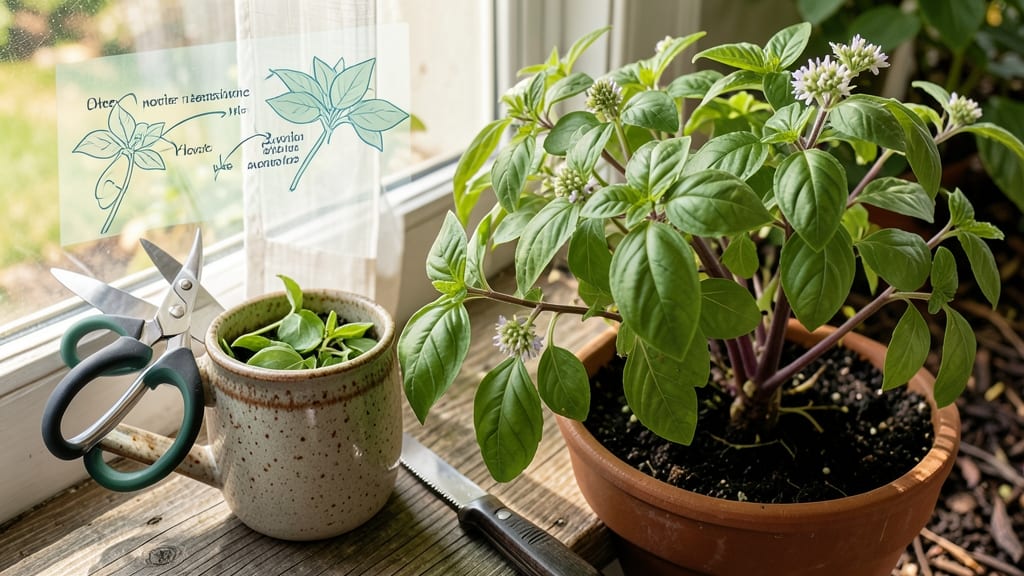
Harvesting basil the proper way ensures your plant stays lush and your kitchen stays stocked with the freshest flavor 🌿 — and it’s simpler than you think.
Picture this: you pinch a leaf, the stem snaps cleanly, and the plant responds by branching out with even more growth. That’s the magic of doing it right. Too many gardeners cut stems too short or wait too long, and suddenly their basil turns woody or sparse.
Timing is everything — wait until your basil reaches 6-8 inches tall, with leaves fully unfurled and a rich aroma when crushed. Below, I’ll walk you through the exact technique, from the best tools to use to how to avoid common mistakes that stunt growth.
By the end, you’ll know when to harvest, which parts to cut, and how to keep your basil thriving all season long — no guesswork, just a steady supply of vibrant, flavorful leaves.

When to harvest basil: signs leaves cup and stems snap easily
Harvesting basil at the wrong time can turn your flavorful leaves into bitter stems or stunt your plant’s growth. The key is watching for natural visual cues that signal peak readiness.
When your basil leaves cup slightly at the edges and the stems snap cleanly when pinched, that’s your green light to harvest. These signs indicate the plant has reached its ideal balance of energy and flavor—perfect for your kitchen or garden.
Timing matters because over-harvesting too early stresses young plants, while waiting too long lets them become woody and less flavorful. The 6-8 week mark after planting is typically when basil hits its prime, but environmental factors like sunlight and temperature can shift this window.
For example, hotter climates may speed up maturity, while cooler zones could delay it by a few weeks.
🌿 Proper Way to Harvest Basil: Key Signs & Steps
- 1. Leaf Cupping: Look for large, dark green leaves that naturally curl upward slightly at the edges. This indicates the plant has stored enough energy for a flavorful harvest.
- 2. Stem Snap Test: Pinch a non-flowering stem near the base. If it snaps cleanly (not bends or tears), the plant is ready. A clean break means the stem is firm but not woody.
- 3. Aroma Check: Crush a few top leaves between your fingers. A strong, sweet scent means peak flavor. Weak or no smell? Wait a few days.
- 4. Plant Height: Basil should be 6-12 inches tall with 4-6 true leaves per stem. Smaller plants need more time to mature.
- 5. Avoid Flowers: If you see tiny white or purple flowers forming, harvest immediately. Flowering signals the plant is shifting energy to seed production, reducing leaf flavor and quality.
- 6. Morning Harvest: Always pick leaves in the early morning when essential oils (flavor compounds) are at their peak. Avoid harvesting after noon when heat can dull the taste.
One of the most common mistakes I see is waiting until leaves turn yellow or wilt before harvesting. By then, the plant is already stressed, and the flavor has diminished.
Instead, focus on the leaf cupping and stem snap as your primary indicators. These signs show the plant is actively growing and producing high-quality leaves.
Another pro tip: Harvest from the top of the plant first. This encourages bushier growth as the plant sends out new shoots from lower stems. If you always cut from the bottom, you’ll end up with a leggy plant that produces fewer leaves.
Think of it like pruning a shrub—you want to shape it to grow fuller, not taller.
Seasonal changes also play a role in harvest timing. In spring and early summer, basil grows quickly, so you might harvest every 2-3 weeks. But as temperatures rise in late summer, growth slows, and you’ll need to space harvests further apart.
Always check the stem snap test before harvesting to avoid over-picking.
If your basil starts to bolt (send up flower stalks), don’t panic—it’s still harvestable! Simply cut the flower stalks first to redirect the plant’s energy back to leaf production.
This trick can extend your harvest season by 2-4 weeks, especially in cooler climates where basil might otherwise shut down early.
For container-grown basil, timing is even more critical because roots have less space to recover. Harvest no more than one-third of the plant at a time to avoid shocking the roots.
Potted basil also matures faster due to limited soil volume, so monitor it closely for the leaf cupping and stem snap signs.
Remember, the goal is to balance harvest and growth. A well-maintained basil plant can produce leaves for 6-8 weeks if harvested correctly. Ignore the signs, and you might end up with a woody, unproductive plant by late summer.
Stay vigilant, and your basil will reward you with a steady supply of fresh, aromatic leaves all season long.
🌱
Step-by-step basil harvesting technique for maximum yield
Now that you know when to harvest, let’s talk about the actual technique—because how you cut makes all the difference in keeping your basil bushy and productive. Most gardeners grab scissors and hack away, but that’s a surefire way to stress your plant.
Instead, we’ll use a simple pinching method that encourages more growth while keeping your leaves tender and flavorful.
The key is to always harvest from the top third of the plant using just your fingers—no tools needed. This method mimics natural pruning and triggers the plant to produce new side shoots, creating a fuller, more abundant harvest.
You might already have everything you need at home: clean fingers, a sharp pair of scissors, or even a small pair of kitchen shears. The goal is to remove just enough to stimulate growth without overdoing it.
🌿 Step-by-Step Basil Harvesting Guide
- 1. Choose the Right Leaves: Select the largest, darkest leaves from the top third of the plant. These are fully mature and won’t stunt growth.
- 2. Use Your Fingers (No Tools Needed): Pinch the stem just above a leaf node (the point where leaves grow out). This encourages new shoots to form below.
- 3. Avoid Cutting Too Close: Never trim below the bottom third of the plant. Cutting too low removes growth points and weakens the plant.
- 4. Harvest in the Morning: Pick leaves before 10 AM when essential oils (flavor compounds) are at their peak. Avoid harvesting after noon.
- 5. Remove Flower Stalks Immediately: If you see tiny buds forming, snip them off right away. Flowering diverts energy from leaves to seeds.
- 6. Space Harvests Properly: Wait 2-3 weeks between harvests in spring/summer. In late summer, extend this to 4-6 weeks as growth slows.
One of the biggest mistakes I see is using dull scissors or cutting too close to the base. A sharp cut can damage the stem, inviting pests or disease. Instead, use your thumb and forefinger to pinch the stem cleanly—it’s faster and more precise.
If you must use tools, sterilize them with rubbing alcohol first to prevent spreading bacteria between plants.
For container-grown basil, be extra gentle. Roots in pots have less room to recover, so limit harvests to one-third of the plant at a time. After harvesting, give the soil a light drink of water to help it bounce back.
You’ll notice new growth sprouting from the sides within 7-10 days if you’ve done it right.
Pro tip: If your basil starts looking leggy or sparse, it’s a sign you’ve been harvesting too much from the bottom. Next time, focus on the top leaves only and avoid trimming below the second set of leaves.
This simple adjustment can transform a weak plant into a bushy, productive machine in just a few weeks.
Remember, the goal is to encourage growth, not depletion. A well-harvested basil plant can keep producing leaves for 6-8 weeks with minimal effort. By following these steps, you’ll end up with a flavorful, abundant harvest—and a plant that keeps giving all season long. ✂️