
Vegetables
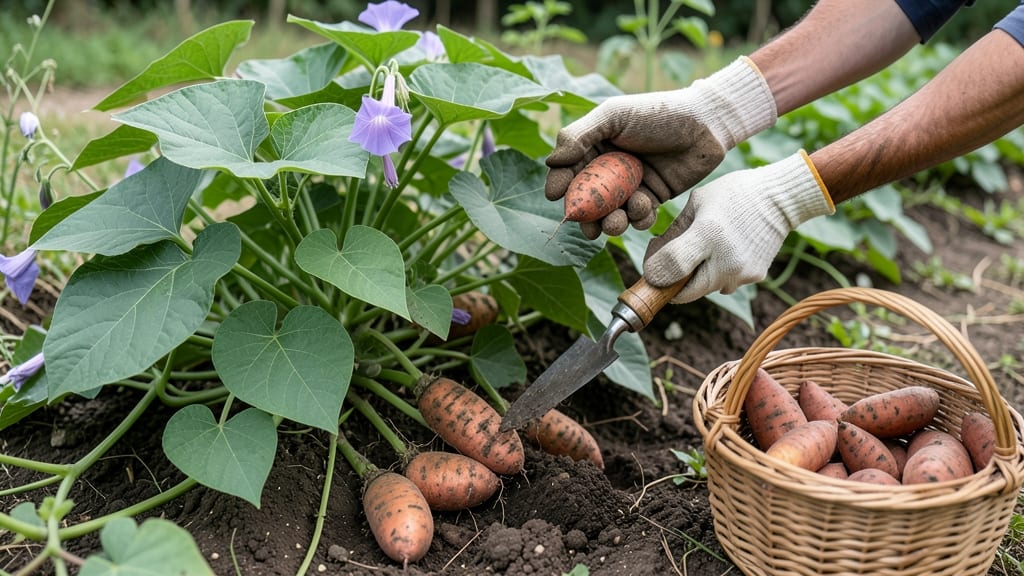
Harvesting sweet potatoes in the right month 🍠 turns a wasteful gamble into a sweet, storable bounty — and missing that window means tubers that shrivel or turn bitter.
Picture this: you’ve nurtured your sweet potatoes all summer, only to watch frost creep in before they’re ready. Or worse, you dig too early and end up with starchy, underdeveloped roots. The key isn’t just guessing a month—it’s reading your climate zone and soil signals.
In Zone 6a, where first frost hits by late October, your harvest window shrinks to September through early November. But in warmer regions, you might still be pulling sweet potatoes in December. The difference? Soil temperature, leaf color, and vine dieback—not just a calendar.
Below, I’ll break down the exact frost-free window for your zone, how to test for sweetness before digging, and the 3 signs your sweet potatoes are finally ready—so you never waste another crop.

Sweet potato harvest months by US growing Zones: when to dig before frost
Timing your sweet potato harvest depends entirely on your USDA growing zone and first frost dates. In Zones 3-5, you might harvest as early as late August, while Zones 9-10 can wait until November.
The key is beating frost—sweet potatoes cannot tolerate freezing—but also avoiding overripe tubers that turn woody. Let’s break down the exact frost-free windows by zone so you can plan your harvest perfectly.
Most sweet potato varieties take 90-150 days to mature, meaning they’re typically ready between September and November. However, early varieties like ‘Beauregard’ can be harvested in late summer, while late varieties like ‘Georgia Jet’ may need to stay in the ground until October or November.
Always check your local frost dates and adjust accordingly to avoid bitter, frosted tubers.
Here’s a quick reference for your zone—use this to align your harvest with the frost-free window and ideal soil temperatures (60°F+ for digging):
If you’re in Zones 3-5, prioritize early-maturing varieties like ‘Centennial’ or ‘Georgia Red’ to avoid frost. These can be ready in as few as 90 days, giving you a buffer.
In Zones 7-10, you have more flexibility—just watch for leaf yellowing and vine dieback, which signal readiness. Never wait until the ground freezes; even a light frost can ruin your crop.
Pro tip: Use a soil thermometer to confirm temperatures are above 60°F before digging. Cold soil can stress the tubers and reduce storage life. If frost is forecast, harvest immediately—even if the tubers aren’t fully mature.
You can still cure and store them, though they may be smaller. In Zones 9-10, where frost is rare, focus on vine color and tuber size (2-3 inches in diameter) rather than the calendar.
For container growers, timing is even trickier because pots cool faster. If you’re in Zones 5-7, move containers to a protected location like a garage or shed 1-2 weeks before the first frost.
This extends your harvest window by 10-14 days. In Zones 3-4, consider using row covers to delay frost and buy extra time for tubers to mature.
One common mistake is harvesting too late, which leads to woody, stringy tubers. If your vines are still green and growing, your sweet potatoes aren’t ready—wait at least 2 more weeks.
Conversely, harvesting too early (under 90 days) results in small, starchy tubers with less sweetness. Aim for 120-140 days for peak flavor and storage potential.
Remember: Sweet potatoes don’t ripen after harvest like tomatoes or peppers. Once you dig them, their sweetness and texture are set. That’s why nailing the harvest window is critical.
Use this zone guide as your roadmap, but always double-check with your local frost dates and soil conditions for the most accurate timing.
🍠
Soil temperature & plant signals: the real harvest triggers (not just months)
Months alone won’t tell you when to harvest sweet potatoes—soil temperature and plant signals are the real clues. A soil thermometer reading below 60°F signals it’s time to dig, while leaf yellowing and vine dieback confirm readiness.
These cues matter more than calendar dates because frost can sneak in faster than you think, especially in Zone 6a where October brings early freezes.
Forget guessing—your sweet potatoes are whispering when they’re ready. The 3 key triggers (soil temp, leaf color, and tuber firmness) work together to give you the exact moment to harvest. Ignore them, and you risk tubers that shrivel in the cold or stay underdeveloped.
Below, I’ll show you how to read these signals like a pro, so you never miss the sweet spot.
🌱 3 Signs Your Sweet Potatoes Are Ready to Harvest
- 🌡️ Soil temp drops to 60°F+: Use a thermometer to check morning temps—this is your first warning that frost is near.
- 🍂 Vines yellow and die back: Healthy green vines turn brown and crispy—this means the tubers are maturing underground.
- 🍠 Tubers are 2-3" firm and tough-skinned: Dig up one to test—if it’s hard to pierce with your fingernail, it’s ready.
Pro tip: Harvest on a dry, sunny day to speed up curing and prevent rot.
Even if your calendar says September, don’t dig until your soil thermometer confirms the temp is ideal. Cold soil stresses the roots, making them prone to rot.
I once harvested too early in Zone 7 because I trusted the date—my tubers were small and watery. Lesson learned: soil temp > calendar months every time.
Leaf color changes are your plant’s way of saying, “I’m done growing!” When the vine foliage yellows and starts dying back, it’s a clear signal that the tubers below are fully developed. But here’s the catch: if frost hits before the leaves yellow, you’ll need to harvest early.
In my garden, I’ve had to dig 2 weeks early in years with early freezes—always better than losing the crop entirely.
Before you dig, test for sweetness with this quick trick: cut a small tuber in half. If the flesh is deep orange and firm (not soft or green), it’s ready.
I’ve saved many a harvest by doing this test—once, I almost dug too late, but the green center told me to wait another week. Sweetness peaks when the tubers are fully mature, not before.
Timing your harvest isn’t just about avoiding frost—it’s about peak flavor and storage life. Tubers harvested too early are starchy and bland, while those left too long become woody. By combining soil temperature, leaf signals, and a sweetness test, you’ll nail the perfect harvest window every time.
Now, grab that thermometer and let your plants tell you when it’s time!