
Picking
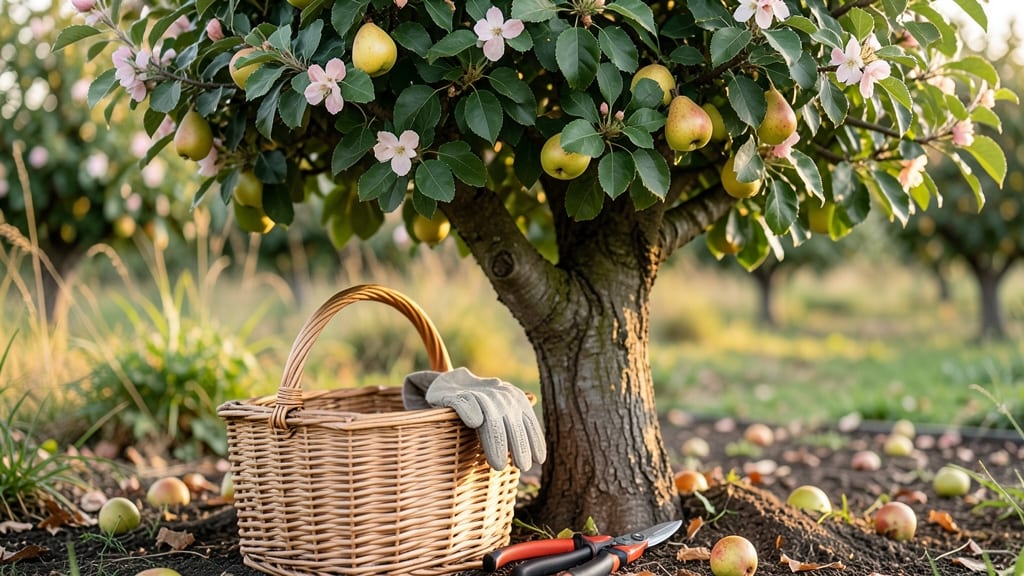
You pick pears in what month do you pick pears—specifically in September and October—when they’re ripe on the tree 🍐 — but the exact timing depends on your variety and climate zone, and getting it wrong means missing out on peak flavor.
Picture this: you’ve waited months for your pear tree to bear fruit, only to pluck a tart, hard pear that never softens. Or worse, you wait too long, and the fruit splits in the rain or attracts pests.
The difference between a juicy, sweet harvest and a disappointing one often comes down to knowing the right cues.
Most pears ripen between late summer and fall, but Bartletts might be ready by late August in warm zones, while Bosc pears could linger until October. Color changes, stem separation, and fragrance are your best clues — not just the calendar.
Below, I’ll break down the exact signs to watch for and how to adjust for your local growing conditions.
Once you master the timing, you’ll also learn how to store your harvest for weeks (or even months) so every pear stays as fresh as the day you picked it. Let’s get started.

When to pick pears by variety: exact months for common types
Pears ripen at their own pace, and harvesting them at the right time ensures peak flavor and texture. Unlike apples, most pears must ripen on the tree—picking too early means they’ll never soften properly.
The exact month depends on the variety, your climate zone, and even the specific tree’s maturity. Below, I’ll break down the precise harvest windows for the most popular pear types, including Bartlett, Anjou, Bosc, and Asian pears, plus the telltale signs they’re ready.
First, a critical rule: Never pick pears based on the calendar alone. A late frost or unusually warm summer can shift harvest dates by 2-4 weeks. Instead, combine the monthly guidelines below with physical ripeness tests like stem separation and color changes.
For example, a Bartlett pear in Zone 7 might be ready in early September, while the same variety in Zone 4 could wait until late September or October.
🌱 Pro Tip: If you’re unsure, pick a few pears early and let them ripen indoors. This way, you’ll learn your tree’s unique schedule without risking a missed harvest.
| Variety | Harvest Month (US) | Key Ripeness Cues | Color Change | Storage Life |
|---|---|---|---|---|
| Bartlett (Williams) | Late August–September | Stem separates easily; skin softens slightly | Yellow-green to golden | 1–2 weeks at room temp |
| Anjou | September–October | Firm but yields to gentle pressure; sweet aroma | Greenish-yellow with red blush | 3–4 weeks refrigerated |
| Bosc | td style="padding: 12px; border: 1px solid #31543c;">October–NovemberStem twists off cleanly; elongated shape | Green to brownish-red | 4–6 weeks refrigerated | |
| Asian (e.g., Hosui) | July–August | Skin turns translucent; sweet-tart taste | Green to pale yellow | 1 week at room temp |
The Bartlett pear, often called the "butter pear," is the earliest to ripen, typically in late August or September. Look for skin that transitions from green to golden-yellow and a stem that twists off easily.
These pears are highly perishable—they’ll overripen quickly once picked, so harvest them as soon as they’re ready. If you miss the window, Bartletts won’t soften off the tree and may spoil.
Anjou pears are a fall favorite, ripening in September or October depending on your location. Their skin develops a reddish blush over a green base, and they’ll feel firm but slightly yielding when pressed near the stem. Unlike Bartletts, Anjou pears store exceptionally well—up to 4 weeks in the fridge—making them ideal for late-season harvests. I once left Anjou pears on the tree too long, and they became mealy; now I check them weekly in September.
The Bosc pear is the longest-storing variety, often harvested in October or November. Its elongated shape and brownish-red skin make it easy to spot. Bosc pears are crisp and spicy when fully ripe, but they’ll keep for up to 6 weeks in cold storage.
To test ripeness, give the pear a gentle squeeze—it should feel firm but not rock-hard. If it’s still hard, wait another week.
Asian pears, like the Hosui variety, are the earliest ripeners, ready as soon as July or August. These pears are crunchy and slightly tart, with skin that turns from green to pale yellow or translucent. Unlike Western pears, Asian pears don’t soften much when ripe—they stay firm but develop a sweet aroma. Pick them when the skin is slightly waxy and the stem separates cleanly.
One common mistake I see is picking pears too early just because the calendar says it’s harvest time. For example, a Bosc pear left on the tree in September might still be hard—wait until October for full rip
How climate zones affect pear harvest months (USDA guide)
Your USDA hardiness zone determines when pears ripen—sometimes by weeks or even months. In Zone 5, frost delays harvests until late September or October, while Zone 9 gardeners might pick early varieties as soon as late August.
These differences affect everything from flavor development to storage potential.
Cooler climates like Zones 3-6 often produce pears with firmer textures that ripen after picking, while warmer Zones 7-9 can yield softer, sweeter fruit ready to eat straight off the tree. Understanding your zone helps you avoid common mistakes like harvesting too early (tart pears) or too late (rotting fruit).
| USDA Zone | Harvest Window | Key Varieties | Ripening Cues |
|---|---|---|---|
| Zones 3-5 | Late September to October | Bosc, Anjou, Seckel | Firm texture, stem separates easily |
| Zones 6-7 | September to early October | Bartlett, Red Anjou, Asian pears | Slight softness, sweet fragrance |
| Zones 8-9 | Late August to September | Bartlett, Starkrimson, Kieffer | Color deepens, stem twists off |
| Zone 10+ | July to August | Asian pears, early Bartletts | Very soft when ripe, intense aroma |
🌡️ Note: Warmer zones may require shade cloth to prevent sunburn on ripe fruit.
In Zones 3-5, early frosts can force pears to ripen faster—check for color changes and stem separation by mid-September to avoid losing your harvest. Meanwhile, Zone 9+ gardeners should monitor for overripe fruit splitting in summer heat, often ready by late August.
Pro tip: Adjust your harvest schedule by 1-2 weeks if your summer was unusually hot or cold. For example, a hot July in Zone 6 might push Bartletts to ripen by early September instead of October. Always prioritize visual cues over calendar dates.
Once picked, store pears in a cool (32-40°F), humid space to extend freshness. Cooler zones can store pears for 2-3 months, while warmer zones should eat or preserve within 1-2 weeks due to faster ripening. 🍐