
Pests and Diseases
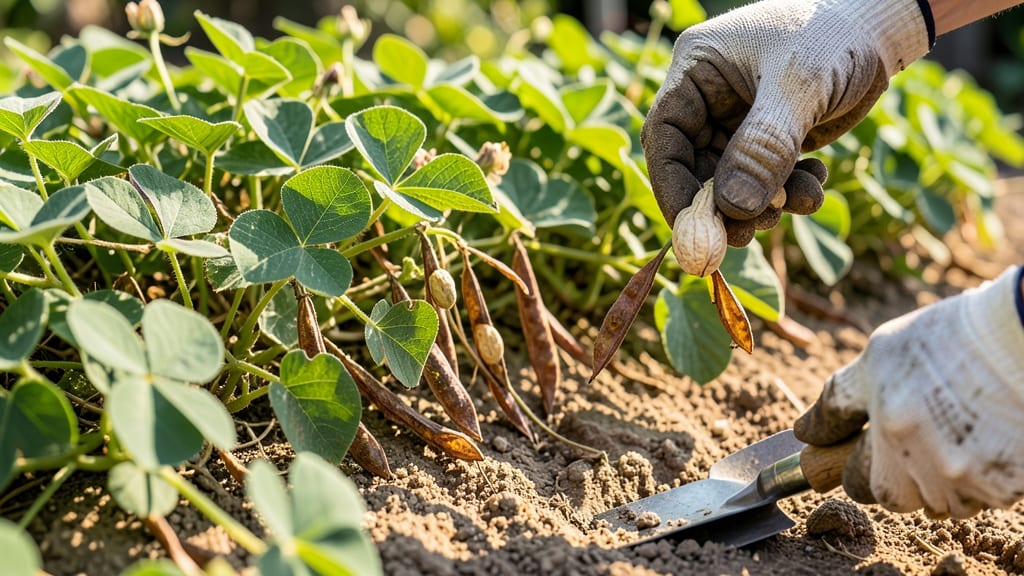
Peanut harvest time arrives between September and October—when pods turn brown, leaves yellow, and the soil test confirms they’re ready.
Picture this: you’ve spent months tending to your 🥜 plants, and now the moment of truth is here. One wrong move, and you’ll end up with bitter, underripe nuts instead of the sweet, flavorful harvest you’ve been dreaming of.
The key? Watching for those subtle but unmistakable signs that your peanuts are finally mature.
Climate plays a huge role—whether you’re in the warm U.S. South or a cooler Zone 6a region. Varieties like Virginia and Runner types mature faster than Spanish, but all need 90-120 days of warmth before digging.
Miss the window, and you risk digging too early or too late, both of which ruin the flavor.
In this guide, I’ll walk you through the exact pod color shifts to watch for, how to check soil moisture, and the simple soil test that tells you “yes, it’s time!” No guesswork—just a foolproof way to harvest peanuts at their peak.

Peanut pod color changes: the 3 stages signaling harvest time
Harvesting peanuts at the right time ensures you get the sweetest, most flavorful nuts. The key lies in watching the pod color changes—a clear visual signal that your peanuts are ready to dig.
Unlike many vegetables, peanuts mature underground, so their above-ground pods shift through three distinct stages before harvest.
First, you’ll see bright green pods forming on the vines. This stage signals early development, but the nuts inside are still soft and underdeveloped. Harvesting too soon means bitter, shriveled peanuts. Patience is key—wait for the pods to progress through the next two stages for that perfect harvest.
Stage 1: Green Pods (Immature) At this stage, pods are plump and bright green, about the size of a golf ball. The vines are still vigorous and green, and leaves appear healthy. If you harvest now, the peanuts inside will be small, hard, and bitter. This is the most common mistake gardeners make—assuming green pods mean readiness.
Stage 2: Yellowing Pods (Near-Mature) As the pods mature, they transition to a pale yellow or tan color. The vines may start to yellow at the tips, and leaves begin to curl or droop slightly. This is your warning sign to monitor closely. The peanuts inside are now firming up, but they’re not yet fully developed. A gentle tap should produce a dull thud, not a hollow sound.
Stage 3: Brown Pods (Mature and Ready) The final stage is when pods turn a dull brown or tan, and the vines fully yellow and dry out. Leaves will crisp and die back, and the soil around the roots may feel drier than usual. At this point, the peanuts inside are fully developed, firm, and ready to harvest. A tap on the pod should sound hollow, indicating air-filled maturity.
| Stage | Pod Color | Vine Condition | Harvest Readiness | Action |
|---|---|---|---|---|
| 1 | Bright Green | Vigorous, Green | Not Ready | Wait 4-6 weeks |
| 2 | Pale Yellow/Tan | Yellowing Tips | Near-Mature | Monitor daily |
| 3 | Dull Brown/Tan | Fully Yellow/Dry | Ready to Harvest | Dig immediately |
Timing your harvest correctly also depends on your climate and peanut variety. In warmer regions, pods may mature faster, while cooler areas might need an extra week or two.
For example, Runner peanuts often ripen slightly earlier than Virginia types. Always check the pod color and vine condition—these are your most reliable guides.
One pro tip is to dig up a few peanuts from one plant when the pods turn brown. If the nuts inside are plump, firm, and have a reddish-brown skin, it’s time to harvest the rest.
If they’re still small or pale, wait another week. This simple test saves you from digging too early or too late.
Harvesting too late can also be a problem. If peanuts stay in the ground too long after maturity, they can sprout or develop mold. Once the vines are fully dry and pods are brown, act quickly—peanuts are perishable once dug.
Cure them properly in a dry, shaded area for 1-2 weeks before storage to preserve their flavor and texture.
Pay attention to the pod color shifts and vine changes—these are nature’s way of telling you when your peanuts are ready. With these visual cues, you’ll never guess wrong again and can look forward to a bountiful, flavorful harvest every season! 🌱
Soil and plant stress tests: confirming peanut harvest readiness
Peanuts are ready for harvest when they pass three key tests: soil moisture, leaf yellowing, and plant wilting. These signs tell you the pods have fully matured underground, but many gardeners rush the process and dig too early.
I’ve learned the hard way—underripe peanuts taste bitter and won’t store well, while overripe ones shrivel and lose flavor.
First, check the soil moisture by digging a small hole near the vines. If the soil feels dry 2-3 inches deep, your peanuts are likely ready. This dryness signals the plant has stopped sending water to the roots, allowing the pods to harden.
In humid climates, wait until the soil is moderately dry to avoid moldy harvests.
Next, examine the leaf color. Mature peanut plants show uniform yellowing across the vines, starting at the edges and moving inward. If leaves are still mostly green with only a few yellow spots, the pods aren’t fully developed. Yellow leaves + dry stems = harvest time.
Pro tip: Snap a stem—if it snaps easily instead of bending, the plant is ready.
- Digging too early: Pods won’t be firm, leading to bitter, shriveled nuts.
- Harvesting after frost: Cold snaps cause mold and rot in stored peanuts.
- Skipping soil checks: Wet soil = moldy harvests; dry soil = perfect timing.
- Using sharp tools: Knives or trowels cut pods—use broadforks or hands only.
Peanuts mature underground, so always dig gently to avoid damage. Store harvested peanuts in a dry, well-ventilated space for 1-2 weeks to cure.
For the final check, perform the pod maturity test. Gently dig up a few peanuts and inspect their shells. Mature peanuts have hard, papery shells with no green spots.
If the shells are soft or still green, wait another 7-10 days. Overripe peanuts will have wrinkled shells and shriveled kernels—so timing is everything!
Regional climate matters too. In Zone 6a, aim for harvest between late September and early October when nighttime temps drop below 60°F. In warmer climates, harvest earlier to avoid heat stress, which speeds up pod drying.
Always harvest on a dry, sunny day to prevent mold during curing.
After confirming readiness, dig carefully with a broadfork or hands to avoid damaging pods. Shake off excess soil, then spread peanuts on a screen or mesh surface in a dry, shaded area to cure for 1-2 weeks.
Proper curing removes moisture, enhancing flavor and storage life. Skip this step, and you’ll end up with soggy, moldy peanuts.
Now you’re ready to harvest peanuts at their peak! The key is patience—wait for the soil, leaves, and pods to signal maturity. With these tests, you’ll never guess again and can enjoy homegrown peanuts with the perfect sweet, nutty flavor every time. Happy digging! 🌱