
How To
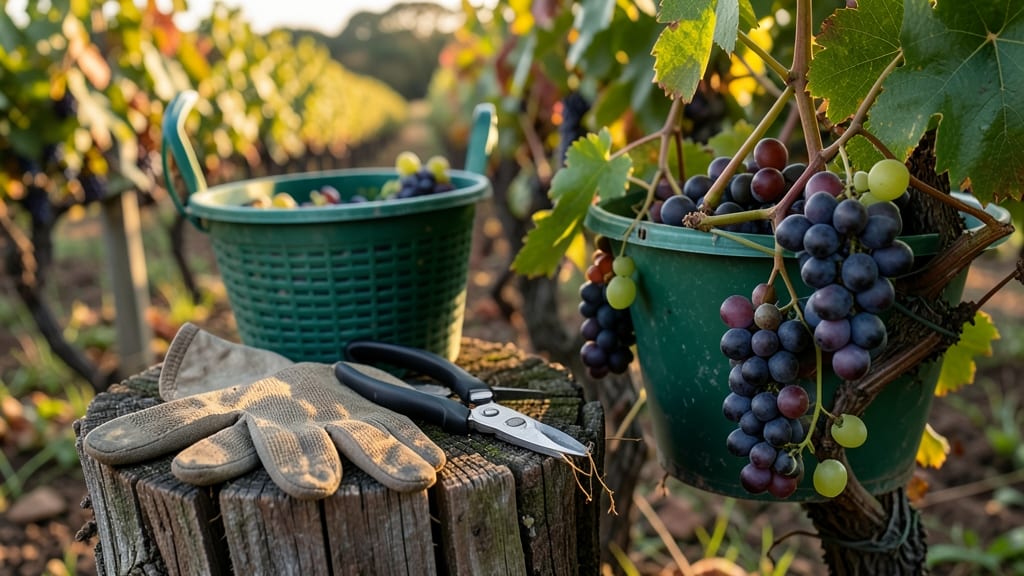
Picking grapes at the right time guarantees sweet, juicy 🍇 clusters—wait too long, and you’ll end up with overripe, mushy berries that taste more like jam than fresh fruit.
Most gardeners assume color alone means harvest time, but that’s only part of the story. The best time to pick grapes depends on sugar levels, skin firmness, and even the variety you’re growing—whether it’s a crisp table grape or a bold wine grape.
In General (USDA Zone 6 as default), grapes typically ripen between August and October, but the exact moment varies. A simple sugar test or the "stem snap" trick can tell you for sure, saving you from a disappointing harvest.
Below, I’ll walk you through three foolproof ripeness tests, how to adjust for your region, and the best practices for table grapes vs. wine grapes so you never miss the perfect pick.

How to determine grapes’ sugar levels for optimal ripeness
Understanding grape sugar levels is the key to harvesting at peak flavor and sweetness. The Brix level—a measure of sugar content—directly impacts taste, especially for wine grapes versus table grapes. For table grapes, aim for 15-20 Brix, while wine grapes often need 20-26 Brix for balanced fermentation.
Measuring Brix levels at home is easier than you think. A handheld refractometer (around $20) reads sugar content by analyzing light refraction through grape juice. Simply crush a berry, squeeze out the juice, and place a drop on the refractometer’s prism. The reading gives you instant feedback on ripeness.
Color changes also signal ripeness, but don’t rely solely on appearance. Some varieties like Concord grapes stay deep purple even when underripe, while others like Thompson Seedless turn golden when overripe. Always cross-reference with Brix readings for accuracy.
Flavor development is another critical clue. Ripe grapes taste fully sweet with minimal acidity, while underripe ones taste tart or bland. Take a small sample, crush it, and taste—this simple test often reveals what a refractometer might miss.
| Ripeness Indicator | Table Grapes (Sweetness) | Wine Grapes (Balanced) | Action Needed |
|---|---|---|---|
| Brix Level | 15-20 | 20-26 | Harvest when reached |
| Berry Color | Deep, consistent hue | Variety-specific depth | Confirm with Brix test |
| Skin Firmness | Firm, no bruising | Firm, no soft spots | Avoid if too soft |
| Stem Separation | Easy to pull | Clean break at stem | Test 3-5 berries |
| Flavor Test | Sweet, minimal acid | Balanced sweet/tart | Taste daily near harvest |
Timing is everything when it comes to grape harvest windows. Early-season varieties like Niagara grapes ripen in late summer, while late-season types like Cabernet Sauvignon may not reach full sugar until fall. Monitor your vines weekly, especially in hot climates, where grapes can overripe quickly.
For wine grapes, harvest too early and you’ll end up with a tart, high-acid wine. Harvest too late, and the wine may taste jammy or lack balance. Aim for peak acidity alongside high sugar—this often means waiting until the Brix level plateaus rather than climbs.
Regional climate plays a huge role. In cooler climates like the Pacific Northwest, grapes may need extra time to ripen, while hot, dry regions like California can produce fully ripe grapes in as little as 100 days. Adjust your expectations based on your local USDA zone and microclimate.
Pro tip: Keep a harvest journal to track Brix levels, weather patterns, and flavor notes. Over time, you’ll recognize the perfect ripeness window for your specific vineyard or backyard patch. This data becomes invaluable for future seasons.
If you’re unsure about ripeness, harvest a small cluster and wait 24 hours to taste. Grapes often improve slightly after picking, so don’t rush—patience ensures the best flavor. For wine grapes, some growers even test must weight (potential alcohol) to fine-tune timing.
3 Unmistakable signs your grapes are ready for harvest
If you’ve ever plucked a grape cluster only to find it tart and underripe, you know how frustrating timing can be. The key to harvesting perfect grapes lies in three simple but often overlooked visual and tactile cues.
These signs guarantee you’ll pick your grapes at their sweetest, juiciest peak—no guesswork required.
First, let’s address the biggest myth: color alone doesn’t determine ripeness. While deep, vibrant hues are a good starting point, they’re only part of the equation. You’ll also need to check the berry skin texture, stem separation, and subtle shifts in leaf color.
Together, these three clues create a foolproof system for harvesting grapes at their absolute best.
- 1. Berry Skin Texture: Grapes should feel firm but not hard. Press a berry gently—if it resists pressure and doesn’t bruise, it’s ready. Overripe grapes will feel soft and mushy.
- 2. Stem Separation: The stem should snap cleanly when you bend it near the cluster. If it bends without breaking, the grapes need more time. This is the most reliable test for perfect ripeness.
- 3. Leaf Color Shifts: Look at the leaves directly above the cluster. They should be deep green and slightly yellowing at the edges—a sign the vine is redirecting energy to ripening.
Let’s break down each of these signs in more detail. For instance, the stem snap test works because it measures the grape’s natural separation from the vine. When the stem breaks cleanly, it means the grape has reached its ideal sugar-to-acid balance.
This is especially critical for wine grapes, where overripe grapes can add unwanted flavors.
Don’t overlook the leaf color shift—it’s a subtle but powerful indicator. When the leaves above your grape clusters start showing yellowing edges, it’s a clear signal that the vine is prioritizing fruit maturation.
This often happens just days before the grapes are fully ripe, so keep an eye out for this visual cue as your harvest window approaches.
Pro tip: Combine these three tests for the most accurate results. For example, if your grapes pass the skin texture and stem separation tests but the leaves aren’t showing yellowing, give them another 2-3 days. This layered approach ensures you’ll never miss the perfect harvest moment.
Once you’ve confirmed all three signs, it’s time to harvest! Use sharp pruning shears to avoid crushing the berries, and pick on a cool morning when the grapes are at their firmest.
With these cues in your gardening toolkit, you’ll transform from a guesser to a grape-harvesting expert in no time.