
How To
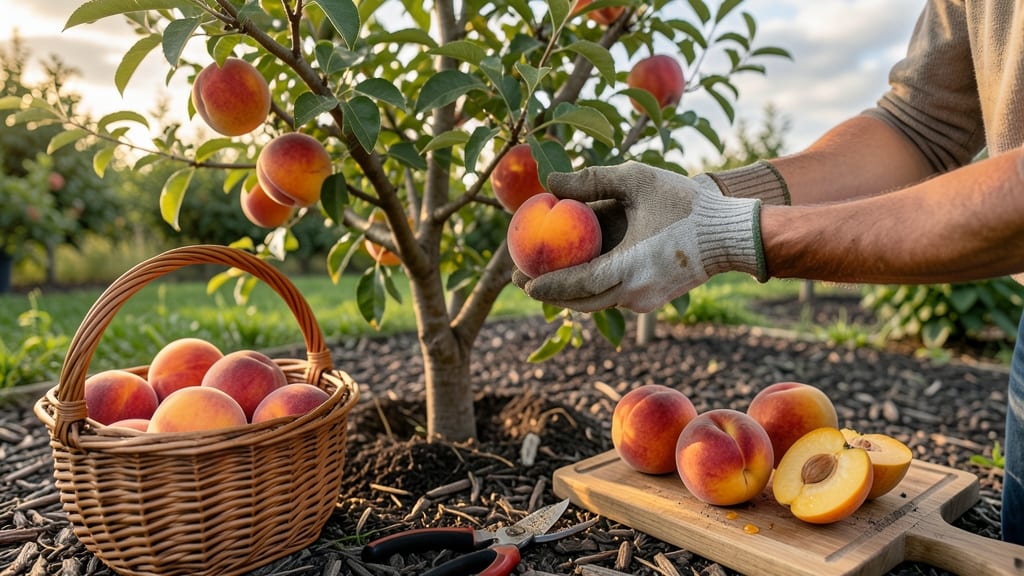
The best time to pick peaches is when they yield slightly to gentle pressure, smell sweetly near the stem, and show deep, consistent color 🍑—but most gardeners miss these cues and end up with underripe or overripe fruit.
Picking peaches at the wrong time means sacrificing flavor, texture, and even storage potential—yet most gardeners miss the subtle cues that signal peak ripeness. Mastering these triggers ensures you harvest sweet, juicy peaches that taste like summer in every bite.
In USDA Zone 6, peaches typically ripen between late July and early September, but variety and weather play a big role. Early-season types like Redhaven may be ready by mid-summer, while late varieties like Elberta hold on until fall.
Below, I’ll break down the three science-backed ripeness triggers to watch for, how to test peaches at home, and why timing matters for flavor and shelf life—so you never miss the window again.

3 Overlooked ripeness triggers that determine perfect peach picking time
Peaches ripen quickly once picked, so knowing the exact moment to harvest is crucial. Most gardeners focus on color changes, but true ripeness involves three science-backed triggers that go beyond the obvious. These cues ensure you avoid mealy texture or premature bolting, which ruins flavor and shelf life.
I’ve learned the hard way—picking peaches too early leads to bland, grainy fruit, while waiting too long risks bird damage or overripe mush. The secret lies in stem separation, aroma intensity, and fruit firmness.
Master these, and you’ll harvest peaches that burst with natural sweetness and juiciness every time.
Stem Separation Test
Gently twist the peach at the stem. If it snaps cleanly with minimal force, it’s ready. A stubborn stem means it needs 3-5 more days on the tree.
Aroma Intensity
Crush a tiny spot near the stem. A sweet, floral scent signals ripeness. No smell? It’s not ready. Overripe peaches smell fermented or sour.
Fruit Firmness
Press gently—ripe peaches yield slightly (like a ripe avocado). If it’s hard, wait. If it’s mushy, it’s past its prime. Firmness varies by variety, so test a few!
Let’s break down each trigger in detail. The stem separation test is my go-to method because it’s foolproof. When a peach’s stem detaches easily, it means the fruit’s ethylene production has peaked—nature’s way of signaling it’s time to eat. This happens 24-48 hours before the peach reaches its sweetest point.
Next, aroma intensity is often overlooked but critical. A ripe peach emits a distinct sweetness when you crush the skin near the stem. This scent comes from volatile compounds like linalool and terpenes, which develop as sugars convert.
If your peach smells bland or even slightly fermented, it’s either unripe or overripe.
Finally, fruit firmness is where many gardeners go wrong. A ripe peach should feel yielding but not mushy. Think of it like a ripe tomato—just enough give to know it’s ready.
Use your thumb and forefinger to gently squeeze the peach. If it leaves a slight imprint, it’s perfect. If it springs back, wait a day or two.
Regional climate plays a role too. In warmer zones (USDA 8-10), peaches ripen faster due to higher temperatures. I’ve seen peaches go from firm to overripe in just 48 hours during heatwaves. In cooler climates (USDA 5-7), ripening slows, giving you a 5-7 day window to harvest.
Pro tip: Harvest in the morning when temperatures are cooler. This preserves firmness and reduces bruising. Avoid picking after rain—wet peaches bruise easily and spoil faster. Always use pruning shears or a sharp knife to cut stems cleanly, leaving a ½-inch stem attached to extend shelf life.
One common mistake? Picking by color alone. Some varieties (like Elberta) stay greenish-yellow even when ripe, while others (like Redhaven) develop a deep red blush.
Always combine color cues with the other two triggers for accuracy. For example, a yellow peach with no aroma might look ripe but taste bland.
Once you’ve mastered these triggers, you’ll never miss the perfect peach again. The key is consistency—check a few peaches daily during the harvest window (usually 2-3 weeks per tree). And remember: overripe peaches can’t be saved, but underripe ones often improve with 3-5 days at room temperature.
Now that you’re equipped with these science-backed ripeness triggers, your peach harvests will be sweeter, juicier, and longer-lasting. Happy picking! 🌱
Peach variety ripeness guide: when to harvest early, Mid-season, and late varieties
Not all peaches ripen at the same time, which is why knowing your tree's variety is half the battle. Early-season varieties like Redhaven hit peak ripeness weeks before late-season favorites such as Elberta.
Climate also plays a role—warmer regions can shave 1-2 weeks off harvest windows, while cooler zones may extend them. Understanding these differences ensures you don’t miss the sweetest window or pick fruit too late for optimal flavor.
Your peach tree’s variety determines its ripening timeline, flavor profile, and even storage potential. For example, Contender peaches (mid-season) develop a rich honey-like sweetness when fully ripe, while Jubilee (late-season) offers a firmer texture with balanced acidity.
Regional growing conditions further tweak these timelines—Southern gardens may harvest 2 weeks earlier than their Northern counterparts due to longer growing seasons.
| Variety | Peak Ripeness Window (USDA Zone 6) | Flavor Profile | Climate Adjustment |
|---|---|---|---|
| Redhaven (Early) | Late July - Early August | Tart-sweet, firm flesh | Harvest 1-2 weeks earlier in warm climates |
| Contender (Mid-Season) | Mid-August - Early September | Honey-sweet, juicy | Extend harvest by 1 week in cooler zones |
| Elberta (Late-Season) | Late August - Mid-September | Rich, aromatic, freestone | Ripens 10-14 days later in Northern climates |
| Jubilee (Late-Season) | Mid-September - Early October | Balanced acid-sweet, firm | Frost-sensitive; harvest before first chill |
If you live in USDA Zone 7 or warmer, your Elberta peaches might ripen by late August instead of September, while Zone 5 gardeners may need to wait until mid-October.
Pay attention to local frost dates—late varieties like Jubilee can suffer if picked too close to the first frost. For example, in Texas, peaches often ripen 3-4 weeks earlier than in Maine.
Flavor isn’t just about timing—it’s also about testing ripeness at home. A fully ripe peach should yield slightly when gently pressed near the stem and emit a fragrant sweetness. Early varieties like Redhaven tend to be tart-sweet and firm, while late-season Elberta peaches develop a deeper honeyed richness.
If your peaches feel too hard or lack aroma, they’re not ready—wait 2-3 more days for peak flavor.
For storage success, harvest peaches when they’re firm but ripe—they won’t soften further off the tree. Early varieties like Redhaven store for 5-7 days in the fridge, while Elberta can last 10-14 days due to their thicker skin.
To extend shelf life, place peaches in a single layer in the crisper drawer and avoid stacking to prevent bruising.
Pro tip: If your peaches ripen unevenly across the tree, prioritize harvesting the softest, most fragrant ones first. This prevents overripe fruit from spoiling nearby peaches.
For large harvests, use a fruit picker to avoid damaging branches, and store peaches at room temperature for 1-2 days to enhance sweetness before refrigerating.