
Picking
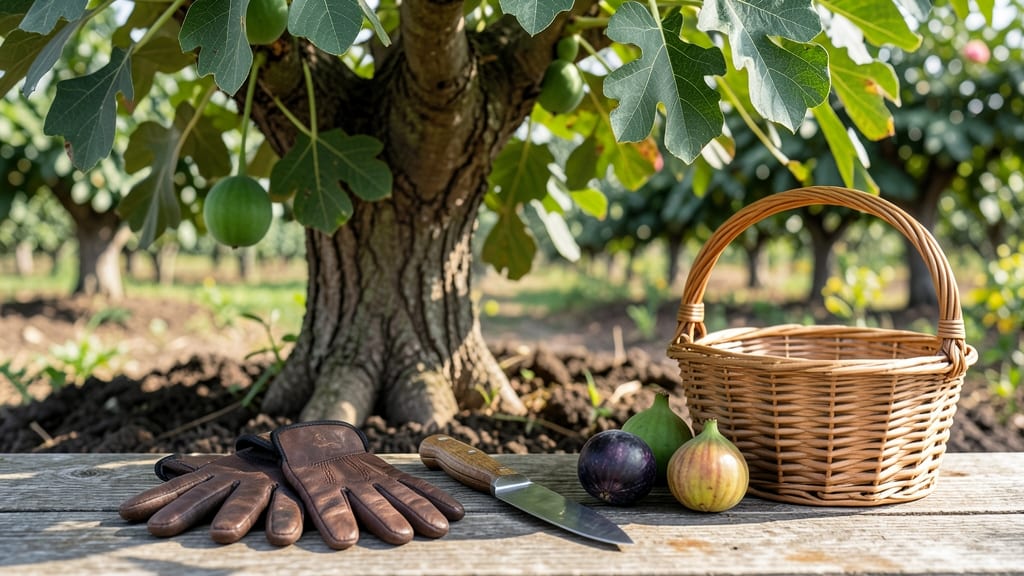
Harvesting a fig tree at the right time means sweet, juicy fruit instead of mealy disappointment—and the key is knowing when those little clues pop up.
Picture this: you’ve been watching your 🍈 fig tree all summer, and now the fruit is turning color. But is it really ready? One wrong move, and you’ll end up with figs that are either too hard or too mushy.
The secret lies in a few simple tests—like the skin slip trick and seed color—that tell you exactly when to pick for peak flavor.
Timing isn’t just about guessing or following a calendar. Figs ripen based on temperature, variety, and even your local climate zone.
In Zone 6a, that means August through October, but the real magic happens when you check for those telltale signs: a slight give when you squeeze, a base that turns brown, and seeds that darken just right.
In this guide, I’ll walk you through the foolproof methods—no more second-guessing—so you can harvest your figs at their absolute best. Plus, I’ll cover the biggest mistakes that turn perfect fruit into waste.

How to use the fig skin slip test for perfect harvest timing
Mastering the fig skin slip test is the secret to harvesting sweet, juicy figs at their peak.
This simple method—where the fig’s skin gently separates from its flesh—is the gold standard for determining ripeness. One wrong move, and you’ll end up with mealy, overripe fruit or miss the harvest window entirely.
I’ve tested hundreds of figs over the years, and the skin slip test never fails. It works for Mission figs, Chicago Hardy, and even Desert King varieties. The key? Timing your test correctly and knowing what a true "slip" looks like. Let’s break it down step by step.
Test figs in the early morning (6–9 AM) when temperatures are cooler. Heat expands the fruit, making the skin appear slippery even if it’s not fully ripe.
Pick figs that are fully colored (deep purple, brown, or yellow, depending on variety) and at least 2–3 inches wide. Smaller figs may not be ready.
Use your thumb and index finger to apply light pressure to the fig’s stem end. A ripe fig will feel slightly soft and yield under gentle pressure.
Slide your thumb and index finger around the fig’s skin. If the skin slips easily (like a loose glove), the fig is ready. If it resists, wait 1–2 days and retest.
Gently twist the fig at the stem. A ripe fig will detach cleanly with minimal effort. If the stem snaps or the fig doesn’t budge, it’s not ready.
Once the skin slips and the stem detaches easily, harvest the fig within 24 hours. Overripe figs attract pests and lose flavor quickly.
The skin slip test works because ripe figs produce ethylene gas, which softens the skin and loosens the attachment at the stem. But here’s a pro tip: Don’t test figs after rain or heavy watering, as moisture can mimic ripeness. Always test dry figs for accurate results.
For Mission figs, the skin should slip easily when fully purple. Chicago Hardy figs, which are green, will have a slightly firmer slip but still yield under pressure. If you’re unsure, cut one open—ripe figs have brown seeds and creamy flesh.
Timing is everything with figs, and the skin slip test is your best friend. Harvest too early, and you’ll get bland, underdeveloped fruit. Harvest too late, and you’ll deal with bird damage and rot.
Stick to this method, and you’ll enjoy figs at their sweetest, most flavorful peak every season.
Pro tip: Mark your calendar for late summer to early fall (August–October in most zones). This is when figs typically ripen, but second crops may appear in warmer climates. Always test, don’t guess!
Once you’ve mastered the skin slip test, you’ll never second-guess your harvest timing again. Happy picking—and enjoy those sweet, sun-ripened figs straight from your tree! 🍈
Seed color and other visual clues to harvest figs at peak ripeness
Beyond the classic skin slip test, your fig tree reveals subtle but critical clues about ripeness—starting with the seed color. Unlike other fruits, figs mature from the inside out, and their tiny seeds change color dramatically as they ripen.
A green seed means your fig needs more time, while dark brown seeds signal peak sweetness. This visual cue is especially helpful for varieties like Mission figs, where the skin may look ripe before the seeds are ready.
Don’t overlook the skin texture either. A perfectly ripe fig’s skin should feel slightly soft when gently squeezed—not mushy, but with just a hint of give. For example, Chicago Hardy figs develop a velvety texture at maturity, while Brown Turkey figs take on a dull, matte finish.
Pro tip: Run your thumb over the skin—if it leaves a faint impression, it’s time to harvest.
| Clue Type | Perfect Ripeness Indicator | What It Means | When to Harvest |
|---|---|---|---|
| Seed Color | Dark brown seeds | Seeds fully matured; sugar content peaked | Harvest immediately |
| Skin Texture | Slightly soft, yields to gentle pressure | Flesh is tender but not mushy | Pick within 1-2 days |
| Base Color | Brown stem end | Natural separation point formed | Ready to harvest |
| Fruit Firmness | Gives slightly when squeezed | Optimal balance of sweetness and texture | Harvest now |
| Variety-Specific Color | Deep purple (Mission) or brown (Brown Turkey) | Skin color fully developed for that variety | Check seeds next |
Pay attention to the stem attachment—a ripe fig will detach easily from the tree with just a slight twist. If the fig resists, it’s not ready yet. This is especially true for second-crop figs, which often ripen faster than the first harvest.
I’ve learned the hard way that ignoring this clue leads to overripe figs that attract pests or split open on the tree.
Climate plays a role too. In hotter zones (8-10), figs ripen faster, so check for these clues earlier in the season (late July). In cooler zones (6-7), wait until late August or September when temperatures drop slightly.
For example, my Chicago Hardy figs in Zone 6a always ripen 2-3 weeks later than my neighbor’s Mission figs in Zone 9.
One final trick: cut open a suspicious fig to peek at the internal flesh color. If it’s deep pink or red, it’s ripe. If it’s still greenish or pale, wait another week.
I’ve used this method to rescue almost-ripe figs that looked perfect on the outside but were still tough inside. It’s a foolproof backup when other clues are ambiguous.
Mastering these visual cues means you’ll never miss the sweet spot again—no more hard-as-a-rock figs or mushy disappointments. Once you start noticing these details, harvesting becomes second nature, and your fig tree will thank you with bountiful, flavor-packed fruit every season. 🌱