
How To
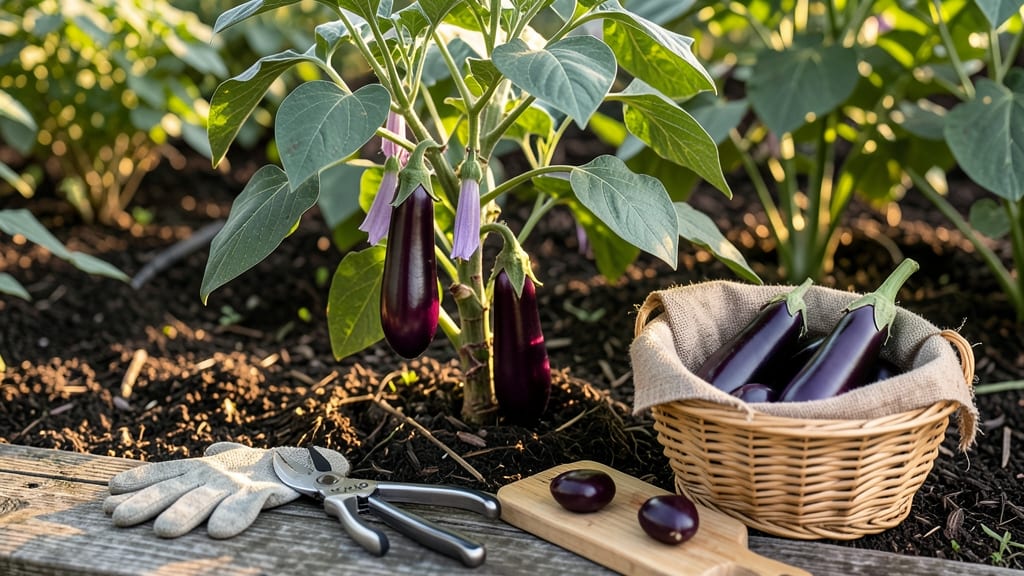
Harvesting Japanese eggplant 🍆 at the right time means the difference between a meal-worthy bite and a bland, seedy disappointment.
You’ve nurtured these glossy beauties all season, but one wrong move—picking too early or too late—can turn your garden’s pride into a kitchen flop. The secret? Watching for three key signals: size, skin firmness, and that telltale seed color shift.
Most varieties are ready in 75 days, but timing isn’t just about days—it’s about late summer’s heat and the subtle glow of ripening fruit. Skip the guesswork with my foolproof method, where a quick skin squeeze and a peek inside reveal whether your eggplant is prime.
By the end, you’ll know exactly when to snip for peak flavor, how to store your haul, and why some gardeners swear by harvesting before full color—plus how to salvage overripe fruit that’s past its prime.
How to identify perfect Japanese eggplant ripeness by skin & size
Japanese eggplants reach their peak flavor when harvested at the right moment—too soon, and they're bitter; too late, and they become tough. The key lies in their skin texture, color intensity, and fruit size.
These three factors work together to signal perfect ripeness, ensuring that delicate, restaurant-quality taste you crave.
Start by examining the skin glossiness. A ripe Japanese eggplant should have a semi-glossy finish that reflects light, almost like a fresh plum. This sheen indicates proper hydration and maturity.
If the skin looks dull or matte, the fruit likely needs more time on the vine. Pay attention to how the skin feels—it should be firm but not rock-hard.
Next, check the fruit size. Japanese eggplants typically reach their ideal harvest size between 3 to 5 inches in length. Smaller fruits (under 2 inches) are usually underripe and can taste bitter.
Larger fruits may be past their prime, with tougher skin and less flavor. Use a ruler to measure for consistency—this simple step prevents common mistakes like harvesting too early or too late.
Color is another critical clue. The skin should be a deep purple-black, not pale or uneven. Some varieties may have lighter spots, but these should be minimal.
Uneven coloring often signals uneven ripening, which can lead to inconsistent flavor. If you see green patches, the fruit isn't ready yet—wait a few more days.
| Ripeness Indicator | Perfect Condition | What to Avoid |
|---|---|---|
| Skin Glossiness | Semi-glossy, reflective finish | Dull or matte skin |
| Fruit Size | 3-5 inches in length | Under 2 inches or over 6 inches |
| Skin Firmness | Firm but yields slightly to gentle pressure | Soft or easily punctured skin |
| Color Intensity | Deep purple-black, uniform | Pale, uneven, or green patches |
| Stem Test | Stem snaps easily when bent | Stem resists bending or is woody |
Don't overlook the stem test, a quick trick to confirm ripeness. Gently bend the stem near the fruit—if it snaps easily, the eggplant is ready. A stem that resists bending or feels woody means the fruit needs more time.
This test is especially useful for varieties like 'Kyoto Purple', which can sometimes fool you with their glossy skin even when underripe.
Harvesting too early is a common mistake, especially for beginners. Small, underripe eggplants (under 2 inches) often have bitter flavors and tough seeds. On the flip side, leaving them too long on the vine can lead to overgrowth, where the skin becomes thick and the flesh fibrous.
Both scenarios ruin the delicate, buttery texture that Japanese eggplants are famous for.
Timing also depends on your growing conditions. In hotter climates, Japanese eggplants may ripen faster—sometimes in as few as 60 days. In cooler regions, they might take up to 90 days.
Keep an eye on the days to maturity listed on your seed packet, but always prioritize visual cues over calendar dates. Consistency in watering and sunlight will help regulate ripening.
Once you've confirmed ripeness, harvest your Japanese eggplants using a sharp knife or pruning shears. Cut the stem about 1 inch above the fruit to avoid damaging the plant. Handle the eggplants gently to prevent bruising, which can lead to spoilage.
Store them in a cool, dark place for up to a week, or use them immediately for the best flavor.
Practice makes perfect when it comes to identifying the ideal harvest window. Keep a harvest journal to track the size, color, and firmness of your eggplants over time. Note any variations in flavor based on ripeness—this will help you refine your skills and consistently produce restaurant-quality results.
Seed color test: the hidden secret for optimal harvest timing
Japanese eggplants reveal their true ripeness through a hidden seed color test most gardeners overlook. While external cues like skin firmness and size matter, the internal seed color is the ultimate indicator of peak flavor.
This simple test helps you avoid harvesting too early (when seeds are white) or too late (when seeds darken prematurely).
The seed color test works by slicing open a candidate eggplant and examining the seeds. White seeds mean the fruit is underripe and still developing its signature sweetness. Brown seeds, however, signal full maturity—when the eggplant's flavor reaches its peak.
This internal check ensures you're harvesting at the perfect moment for restaurant-quality taste.
⚠️ callout-warning ⚠️
To perform the test, select an eggplant that meets external ripeness criteria (3-5 inches long, deep purple-black, firm skin). Use a sharp knife to slice the fruit lengthwise, then inspect the seeds. If they're uniformly brown, it's harvest time. If seeds are partially brown or speckled, wait 2-3 days and retest—this indicates gradual ripening.
Cloudy or translucent seeds are another clue worth noting. These often appear in overwatered plants or when fruits develop too quickly in hot, dry conditions. In such cases, prioritize harvesting based on skin firmness over seed color, as cloudiness can distort the test's accuracy.
For best results, harvest in the morning when seeds are most reliable.
Why does seed color matter more than external appearance? Brown seeds correlate with the peak starch-to-sugar ratio in Japanese eggplant flesh. This balance is what chefs covet for delicate, jammy textures.
Overripe eggplants (with fully blackened seeds) develop bitter compounds, ruining their culinary potential. By mastering this test, you'll consistently harvest fruits that sear beautifully and retain moisture during cooking.
For first-time growers, I recommend testing 2-3 eggplants per harvest cycle to account for natural variability. Keep a small harvest journal noting seed colors alongside flavor feedback.
Over time, you'll develop an intuition for when your specific growing conditions (like soil fertility or sun exposure) influence seed maturation speed. This proactive approach minimizes waste and maximizes your garden's productivity.
Pro tip: Store harvested eggplants with brown seeds in the fridge for up to 5 days. Their flavor continues to develop slightly post-harvest, making them even more delicious when used in recipes.
When in doubt, err on the side of harvesting slightly early—Japanese eggplants rarely improve after reaching full ripeness, while overripe fruits lose their prized tenderness.