
Pests and Diseases
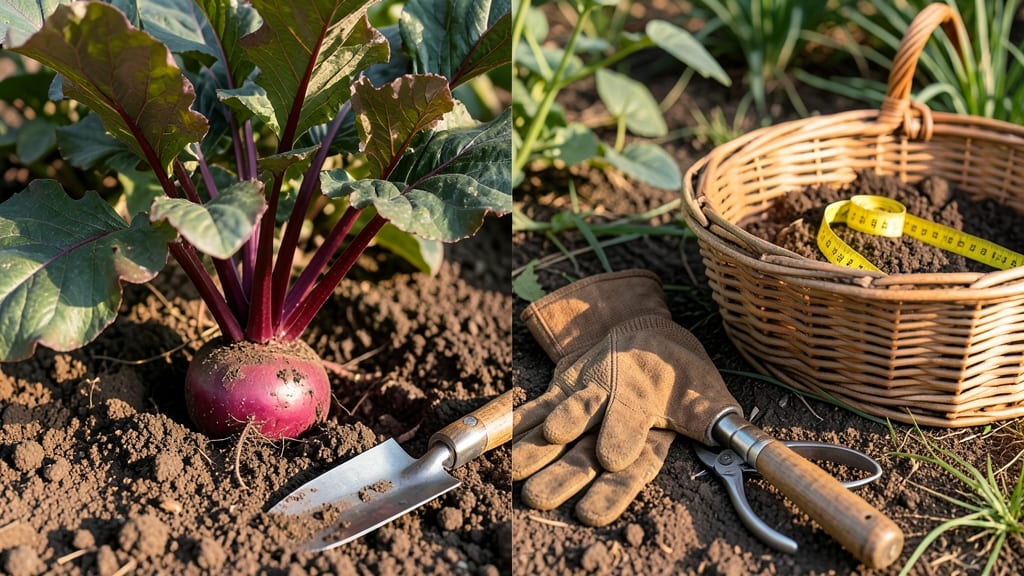
Harvesting beets and carrots at the right time ensures sweet, tender roots instead of tough, bitter ones—so timing is everything.
Picture this: you’ve nurtured your 🥕 and beets all season, but pull them too early, and they’re pale and watery. Too late, and they turn woody or split in the soil. The difference between these two outcomes comes down to knowing exactly when to dig.
Most gardeners wait for size alone, but the real secret lies in a simple soil resistance test and color cues. A deep red beet or bright orange carrot isn’t just pretty—it’s a sign they’re packed with flavor and ready to eat.
In this guide, I’ll walk you through the foolproof way to test for harvest readiness, the best times by variety, and how to avoid common mistakes that ruin your roots before they even make it to the table.

How to test soil resistance for beets and carrots harvest readiness
Determining the exact moment to harvest beets and carrots can feel like guessing—until you master the thumb pressure test. This simple method reveals when roots have reached their peak sweetness and tenderness, preventing the woody texture that comes from waiting too long.
The key lies in understanding how soil resistance changes as roots mature.
Start by selecting a few plants from your garden bed. Gently grasp a beet or carrot near its leaf base and apply light pressure with your thumb. If the root feels firm but slightly yielding, it’s likely ready.
Too firm means it needs more time; too soft suggests it’s overripe. This tactile feedback is your best indicator of harvest readiness.
Visual cues also play a crucial role. Look for deep, vibrant colors—beets should be rich crimson, gold, or purple, while carrots should be their mature shade (orange, purple, or yellow). The tops should show signs of maturity without wilting, with leaves that are lush but not overly leggy.
For baby beets or short carrots, the size benchmark is critical. Harvest when roots reach 1-2 inches in diameter for baby varieties, or the specified size for mature types (often 1.5-2.5 inches for carrots).
Use a small trowel to dig around the edges and gently lift—this minimizes damage to neighboring plants.
One common mistake is relying solely on days since planting. While most varieties take 50-70 days to mature, environmental factors like soil temperature and moisture can shift this timeline. Always combine the thumb test with visual checks for accuracy.
🌱
Soil resistance is another critical clue. When you gently press around the root with your fingers, loose soil should give way slightly—indicating the root has expanded enough to fill its space. If the soil feels compacted or the root pulls out cleanly with little resistance, it’s likely underdeveloped. Conversely, if the soil resists heavily, the root may have outgrown its space and become tough.
For precise timing, pair the thumb test with seasonal cues. In cooler climates, harvest beets and carrots before the first hard frost, which can turn roots bitter.
In warmer regions, watch for signs of bolting (flowering stems), which signals declining quality. Early morning harvests are ideal—the roots are crispest and least stressed.
Pro tip: Use a small hand trowel to loosen soil around the root before pulling. This reduces the risk of forked or split roots, which often happen when you yank too hard. Always grasp the leaf base and pull gently upward—never twist, as this can damage the root.
🥕
Finally, store harvested roots properly to preserve their sweetness and texture. Trim the greens (for beets) and store roots in a cool, humid environment (like a root cellar or crisper drawer). With these tests in hand, you’ll never miss the perfect harvest window again!
Best harvest times by variety: when baby vs mature roots are perfect
Not all beets and carrots are created equal—and neither are their harvest times. Baby beets and short carrots reach peak tenderness much earlier than their mature counterparts, giving you a two-phase harvest opportunity.
For example, baby beets (harvested at 2-3 inches) are ready in just 4-6 weeks, while full-sized beets take 2-3 months.
Climate plays a surprising role too. In cooler regions, beets mature faster due to slower growth rates, while hot climates can accelerate the process—sometimes making roots woody if left too long.
Even soil type matters: sandy soil speeds up harvest times, while clay holds moisture longer, delaying maturity by 1-2 weeks.
Short carrots (like 'Paris Market') are ready in 50-60 days, while long varieties ('Danvers') need 70-80 days. The key difference? Root shape—short carrots develop faster because they don’t need to grow as deep. For beets, leaf size is your best indicator: harvest when leaves are 4-6 inches wide for baby beets, or 12+ inches for mature ones.
| Variety | Size | Days to Harvest | Climate Notes |
|---|---|---|---|
| Baby Beets | 2-3" | 4-6 weeks | Faster in cool weather |
| Mature Beets | 3-4" | 2-3 months | Slower in heat |
| Short Carrots | 3-4" | 50-60 days | Sandy soil speeds growth |
| Long Carrots | 6-8" | 70-80 days | Clay soil delays |
For long carrots, focus on the shoulder shape—when the top widens noticeably, it’s time to harvest. In dry climates, carrots may develop a harder skin as a defense mechanism, so check for slight soil resistance before pulling.
Beets, on the other hand, should have a deep, even color with no green streaks (a sign of bitterness).
Pro tip: Succession planting works beautifully with these roots. Sow baby beets every 2 weeks for a continuous harvest, and mix short and long carrots in the same bed.
This way, you’ll always have something ready to pull, regardless of variety. Just remember—overcrowding delays maturity, so thin seedlings early to avoid competition.
One final trick: Harvest in the morning after a light rain. The soil is moist but not soggy, making roots easier to pull without splitting. And if you’re unsure? Gently tug on the leaves—if the root comes up easily, it’s ready. If not, wait 3-5 more days.