
How To
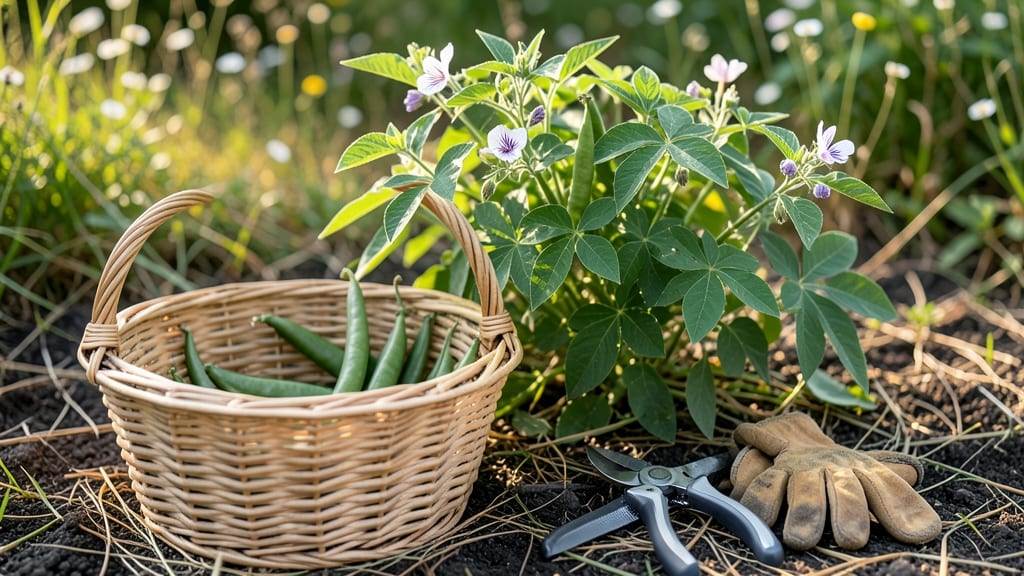
Harvest bush beans when pods reach 4-6 inches and snap cleanly with a crisp sound—this is the sweet spot for peak flavor and texture.
Picture this: you’re reaching for a pod, and it’s still a little too small, or worse, it’s tough and stringy. That’s the difference between a homegrown feast and a disappointing bite. Timing is everything, and the key lies in those tiny details most gardeners miss.
Most bush beans 🌱 are ready 50-65 days after planting, but environmental factors like heat or rain can speed up or slow down ripening. Too late, and the pods turn woody; too early, and they’re bland. I’ll show you how to spot the perfect pod every time.
In this guide, you’ll learn the exact visual cues—pod size, color, and firmness—to harvest at the ideal moment, plus how often to pick for continuous production. No more guesswork, just crunchy, sweet beans straight from your garden.

How to identify perfect bush bean pod size for harvesting
Timing your bush bean harvest is all about pod size, firmness, and visual cues that scream "pick me now!" Most gardeners miss the sweet spot by focusing only on length—yet width, shape, and even the snap test reveal when beans are truly ready.
I’ve learned the hard way that waiting even a day too long turns crisp pods into tough, mealy disappointments.
Your goal is to harvest when pods measure 4 to 6 inches long—this is the golden window for peak flavor and texture. But size alone isn’t enough; you’ll also need to check for uniform width (about ½ inch) and a smooth, glossy surface.
Overripe pods swell beyond 6 inches, develop lumpy seeds, and lose their signature crunch.
Here’s the secret most gardeners overlook: the pod’s curvature. Ready-to-harvest beans curve gently, almost like a shallow bowl, while underripe pods stay straight or twist awkwardly. This subtle shape shift signals cellular changes that boost sweetness—something you’ll taste immediately if you time it right.
Now, let’s talk about the snap test, my favorite trick for confirming ripeness. Hold a pod between your thumb and forefinger and gently bend it. A perfectly ripe bean will snap cleanly with a satisfying crack—like a fresh carrot.
If it bends without breaking, it’s underripe; if it feels woody or cracks unevenly, you’ve waited too long.
| Stage | Pod Length | Pod Width | Firmness | Seed Visibility | Harvest Action |
|---|---|---|---|---|---|
| Underripe | < 3 inches | Thin | Soft/Mushy | None | Wait 2-3 days |
| Perfect Ripeness | 4-6 inches | ½ inch | Firm/Crisp | Just visible | Harvest now! |
| Overripe | > 6 inches | Swollen | Woody/Mealy | Large/Hard | Discard or dry |
Color gradients also play a role, though green isn’t the only clue. Most bush beans stay uniformly green at peak ripeness, but some varieties (like Blue Lake) develop faint yellow or purple streaks when overripe.
Pay attention to the stem end—it should remain a vibrant green, not dull or browned.
Environmental factors can throw off your timing, especially temperature swings. Hotter weather speeds up maturation, so beans may reach harvest size faster in July than in June.
I’ve found that morning harvests (when pods are coolest) yield the crispest beans—avoid picking after a scorching afternoon, when pods can feel artificially firm due to moisture loss.
One common mistake is harvesting by plant age alone. While bush beans typically mature in 50-65 days, individual pods ripen at different rates. Always check 5-10 pods per plant daily—this ensures you’re not missing the sweet spot while others lag behind.
Pro tip: Use a small mesh bag to collect harvests; it keeps pods organized and prevents bruising.
Finally, don’t ignore the plant’s signals. Healthy bush bean plants produce new flowers daily, but if you see fewer blooms or dropping flowers, it’s a sign the plant is redirecting energy to seed development.
This is your cue to harvest aggressively for 2-3 days to prevent a sudden rush of overripe pods.
Mastering these visual and tactile cues transforms your bush bean harvest from hit-or-miss to consistently crisp, sweet, and abundant. The first time I nailed this timing, I nearly cried—my homegrown beans tasted better than any store-bought variety. Now it’s your turn to try these tricks in your garden! 🌱
Bush bean seed color and texture: the secret signs of overripe or underripe pods
Harvesting bush beans at the perfect moment transforms your garden into a flavor factory—but one wrong move turns sweet pods into tough, mealy disappointments. The key lies in those tiny details: seed color and pod texture.
These subtle clues reveal whether your beans are still tender or already past their prime.
Most gardeners focus on pod size, but seed development is the real secret. A single glance at the inside can tell you if your beans are sweet and crisp or bitter and starchy. Let’s decode these hidden signals so you never miss peak harvest time again.
🌱 Harvest Bush Beans When:
- Pods are 4-6 inches long
- Seeds are tiny white specks (not visible or just forming)
- Pods feel firm but snap cleanly
- Skin is smooth, not wrinkled
🚫 Wait too long = hard seeds, bitter flavor, wasted plants!
Start with seed color: When pods are ready, the seeds inside are barely visible—just tiny white specks. If you see green or brown seeds, your beans have passed their prime. These color shifts happen fast, so check pods every 2-3 days during peak production.
Pod texture is your second clue. Ideal beans should feel firm but yield slightly when gently squeezed—like a crisp carrot. Overripe pods become woody or leathery, while underripe ones feel soft and floppy. Run your thumb along the seam: if it’s smooth, harvest now!
Temperature plays tricks too. In hot weather, beans mature faster—check pods daily. In cooler conditions, they take longer to ripen. Always harvest in the morning when pods are crispest. Pro tip: Use a small knife or scissors to snip stems cleanly without damaging the plant.
Don’t ignore the pod shape either. Perfect beans curve gently, while overripe ones straighten and swell. If the pod feels bulbous or distorted, it’s time to pull it. The longer you wait, the more starchy and fibrous the beans become—turning your homegrown bounty into a chewy chore.
Master these signs, and you’ll enjoy sweet, tender beans straight from your garden all season. The secret? Pay attention to those tiny details—your taste buds (and your plants) will thank you! 🌱