
Vegetables
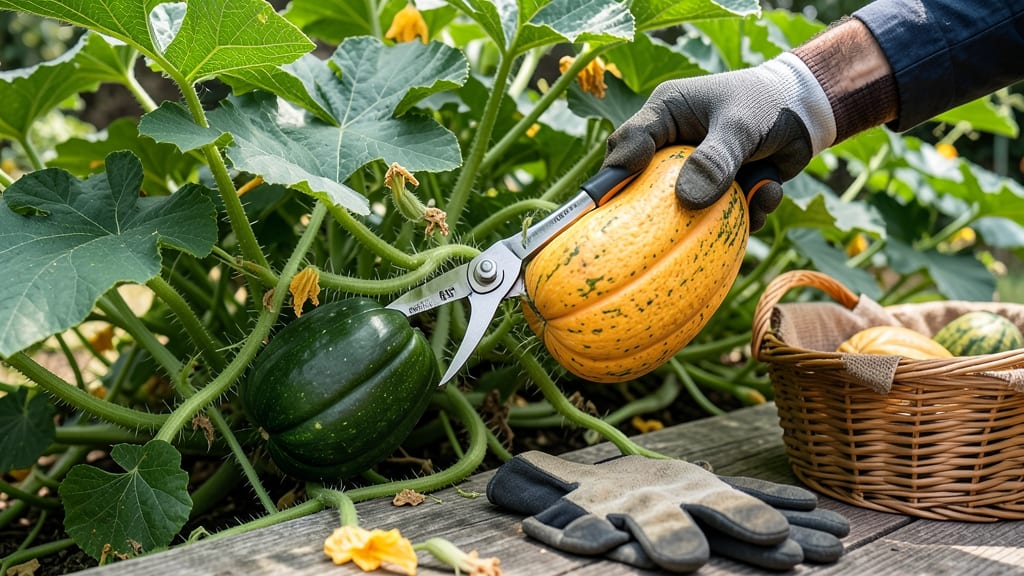
Harvesting butterbush squash at the right time means catching that perfect balance of sweetness and texture—when the skin shifts from pale to a rich, golden hue 🎃 and the seeds just begin to harden.
You’ve spent weeks nurturing these vines, and now the moment of truth arrives: pick too soon, and you’re left with bland, underdeveloped fruit. Wait too long, and the flesh turns tough as a board.
The difference between a delicious harvest and a disappointing one often comes down to knowing exactly when to reach for those pruning shears.
Butterbush squash typically ripens between 45 and 70 days after planting, depending on your climate. In USDA Zone 6a, that usually lands in late summer—around September or early October—when the days grow shorter and the air cools slightly.
Yet even in the same region, a few extra weeks of warmth can push maturity later, so don’t rely solely on the calendar.
Below, I’ll walk you through the visual cues—skin color, size, and seed firmness—that guarantee you’re harvesting at peak flavor. You’ll also learn how to avoid common mistakes, like confusing a soft squash for a ripe one or missing the subtle shift that signals it’s time to pick.
How to identify butterbush squash ripeness by skin color & size
Butterbush squash reaches its peak flavor when harvested at the right moment, and skin color is your first clue. Start by observing the rind transition from green to a rich golden-yellow hue.
This color shift signals the squash is maturing, but timing matters—waiting too long can make the flesh tough. Sunlight exposure speeds up this process, so squash in full sun may ripen faster than those in partial shade.
Next, focus on the ideal size range of 3 to 5 inches in diameter. Butterbush squash rarely grows larger, so if yours exceeds this, it might be overripe.
Smaller squash under 3 inches often lacks full sweetness. Firmness is another key indicator—press gently with your thumb; if it feels slightly spongy, it’s not ready yet.
The skin texture also changes as the squash ripens. Early in the season, the skin is smooth and tender, but as it matures, it develops a thicker, waxy surface. A fully ripe butterbush squash will have a skin that’s hard to puncture with your fingernail.
This shift in texture is a clear sign that the squash is nearing harvest time.
Here’s a quick visual guide to help you compare underripe, ripe, and overripe butterbush squash:
| Stage | Skin Color | Size (Diameter) | Firmness | Flesh Texture |
|---|---|---|---|---|
| Underripe | Green or pale yellow | Under 3 inches | Soft, spongy | Watery, underdeveloped |
| Ripe | Deep golden-yellow | 3–5 inches | Hard, firm | Sweet, dense |
| Overripe | Dull yellow or brown | Over 5 inches | Very hard, tough | Dry, fibrous |
If your butterbush squash is growing in partial shade, it may take longer to ripen. Monitor the skin color transition closely, as cooler temperatures slow down the process. In contrast, squash in full sun can ripen more quickly, so check them every 3–5 days once they start changing color.
Another trick is to look for the stem changes. A ripe butterbush squash will have a stem that’s drying out and turning brown. If the stem is still green and moist, the squash needs more time.
This is a subtle but reliable sign that the squash is ready for harvest.
Don’t ignore the weight factor—ripe butterbush squash feels surprisingly heavy for its size. This is because the seeds inside have fully developed, and the flesh is packed with nutrients. If your squash feels light or hollow when lifted, it’s likely underripe.
Regional differences also play a role. In warmer climates, butterbush squash may ripen faster, while in cooler regions, it could take longer. Pay attention to your local frost dates and adjust your harvest timeline accordingly. For example, in USDA Zone 6a, aim to harvest by mid-October.
Finally, avoid harvesting in wet conditions. Wet squash can develop rot or fungal issues, especially if stored improperly. Always harvest on a dry morning and let the squash dry for a few hours before storing. This simple step can extend its shelf life significantly.
With these visual cues in mind, you’ll never miss the perfect moment to harvest your butterbush squash again. Happy gardening! 🎃
The seed hardness test: a reliable method to confirm harvest readiness
Once your butterbush squash reaches its ideal size and golden hue, the next step is confirming ripeness with the seed hardness test. This simple method tells you whether the seeds inside are firm enough for peak flavor—without cutting into the fruit.
Simply press your fingernail into the squash’s skin near the stem. If it dents slightly but doesn’t crush, the seeds are ready.
The test works because seed hardening is a natural process tied to sugar development and cell wall thickening. As the squash matures, its seeds become denser, signaling the flesh has reached its sweetest, most tender state.
This method is especially useful for butterbush squash, which can vary in ripening speed depending on sunlight exposure and soil nutrients.
⚠️ WARNING: Harvesting Too Late ⚠️
To perform the test correctly, avoid pressing near blemishes or bruises, which can give false readings. Focus on the firmest part of the squash, typically the top or sides. If you’re unsure, test two different spots—consistency confirms readiness.
Another pro tip: Combine the seed hardness test with the stem check. A ripe butterbush squash will have a dry, brown stem that snaps easily when twisted. This double-check ensures you’re harvesting at the peak of sweetness and texture, not a moment too soon or late.
For gardeners in cooler climates, like USDA Zone 6a, the seed hardness test becomes even more critical. Shorter growing seasons mean you must time your harvest precisely—missing the window by even a few days can turn a delicious squash into a tough, unappetizing one.
Test your squash every 2-3 days once it reaches 80% of its mature size.
Once you’ve confirmed ripeness, harvest on a dry morning to allow the squash to cure properly for storage. Place it in a sunny, well-ventilated spot for 7-10 days to harden the skin further. This step ensures your butterbush squash stays fresh for months in a cool, dark place.