
Picking
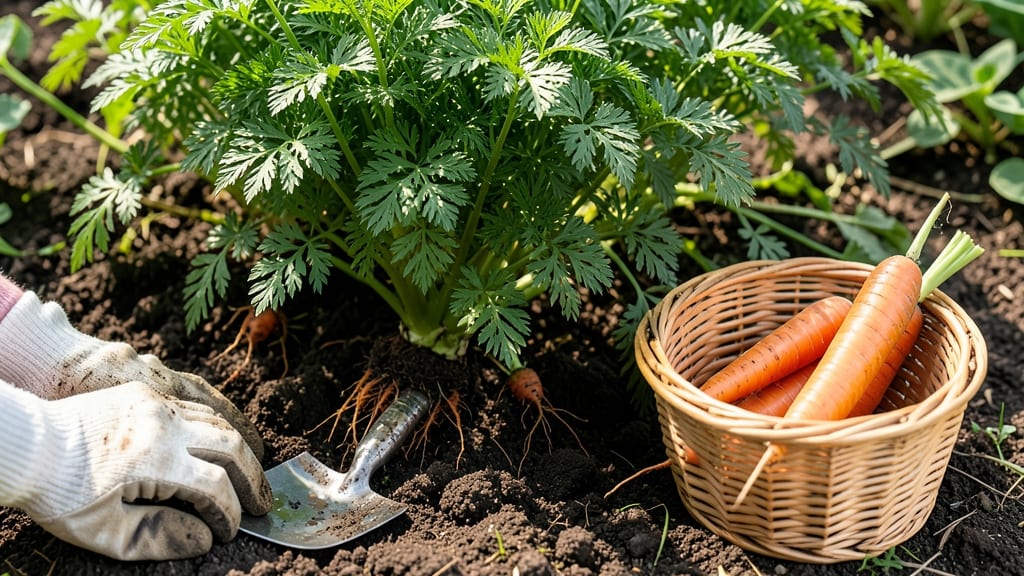
Harvest carrots from your garden when they’ve reached 1-2 inches in diameter and the tops are 6-8 inches tall—this is the sweet spot for peak flavor and texture.
Pulled a carrot from your garden only to find it woody, forked, or underwhelmingly small? Timing is everything—and these 3 foolproof finger-dip tests will ensure you harvest 🥕 at their sweetest, crunchiest peak every time.
Most varieties mature in 70-80 days, but soil conditions and weather play a role. In USDA Zone 6a, aim for June through October, checking for firm roots and vibrant color before pulling.
Below, I’ll walk you through the best methods to test maturity, how to adjust for different carrot types, and the common mistakes that turn perfect harvests into tough, bitter disappointments.

3 Finger-dip tests to determine perfect carrot harvest time
Harvesting carrots at the right moment transforms your garden into a treasure trove of sweet, crisp roots—no more tough, bitter surprises. The key lies in your fingertips and a little science.
These three tactile tests reveal when your carrots are primed for picking, ensuring peak flavor and texture every time you dig in.
Carrots mature at different rates depending on variety, soil conditions, and weather. But instead of guessing by days after planting, use these hands-on methods to check maturity. They’re foolproof, require no tools, and work for all carrot types—from short Nantes to long Danvers varieties. Let’s get your fingers dirty!
🌱 Perfect Carrot Harvest Checklist
- 1
- 2
- 3
Start with the soil resistance test—this is your first clue. Press your thumb firmly into the soil around the carrot’s greens. If the root pushes back against your finger, it’s a sign of maturity.
Think of it like testing a ripe avocado: firm but yielding. Overripe carrots feel wooden and won’t give way at all.
Next, check the crown size at the soil line. Use your fingers to measure the diameter where the greens meet the root. For most varieties, a 1–2 inch crown means it’s time to harvest.
If the crown is smaller, your carrots need more time. If it’s larger, they’ve overstayed their welcome and may develop a woody texture.
The finger-dip depth analysis is my favorite trick—it’s like a secret peek underground! Gently insert your finger 1–2 inches into the soil near the greens. If the carrot fills that space snugly, it’s ready.
If your finger sinks easily with no resistance, the root is still growing. This test works best in loose, well-drained soil—rocky or compacted soil can throw off results.
Pro tip: Combine all three tests for 100% accuracy. For example, if the soil feels firm (test 1) but the crown is only half an inch (test 2), wait a few days.
Or if the finger-dip shows full roots (test 3) but the soil is still loose, give them another week. Consistency is key!
Regional variations matter too. In cooler climates (like Zone 5), carrots may take 80–90 days to mature, while warmer zones (Zone 8+) can harvest in 60–70 days. But these tactile tests override calendar guesswork. Your fingers know best!
Harvesting at the right time isn’t just about flavor—it’s about preventing bolting (when carrots flower prematurely) and avoiding forking (split roots). Overripe carrots also lose their sweetness and become tough and bitter. These tests ensure you beat the clock and enjoy carrots at their peak.
Once you’ve confirmed maturity, grab a hand trowel or your hands and gently loosen the soil around the carrot. Pull upward with a firm but steady motion.
If the carrot resists, wiggle it gently—never force it, or you’ll risk breaking the root. Shake off excess soil, and you’re ready to enjoy your homegrown harvest!
Now that you’ve mastered these finger-dip tests, you’ll never second-guess harvest time again. Your garden will thank you with crisp, sweet carrots that taste like summer in every bite. Happy digging! 🥕
Carrot variety harvest times: when to pull short-day vs long-day types
Not all carrots mature on the same schedule—short-day varieties thrive in cooler seasons, while long-day types need extended warmth. Understanding these differences helps you time harvests for maximum yield and flavor.
In USDA Zone 6a, I’ve found that Nantes and Danvers varieties often reach peak harvest in late summer, while Chantenay and Rainbow types may need a few extra weeks.
Soil temperature also plays a critical role. For short-day carrots, aim for harvest when daytime temps hover around 60-70°F. Long-day varieties, however, perform best when soil stays consistently above 65°F for at least 2 weeks before pulling.
This temperature difference can shift your harvest window by 2-3 weeks, depending on your region.
| Variety | Days to Maturity | Ideal Harvest Months (Zone 6a) | Soil Temp for Harvest | Key Visual Cue |
|---|---|---|---|---|
| Nantes | 60-70 days | June-July | 60-68°F | 1.5" diameter, glossy orange |
| Danvers | 70-80 days | July-August | 65-72°F | 2" diameter, tapered shape |
| Chantenay | 75-85 days | August-September | 68-75°F | 2.5" diameter, cylindrical |
| Rainbow | 65-75 days | June-August | 60-70°F | 1-1.5" diameter, mixed colors |
For short-day varieties like Nantes, I start checking for harvest readiness around 60 days after sowing. Look for 1.5-inch diameter roots with glossy orange skin—these are classic signs of maturity.
In my experience, waiting too long can lead to woody textures, so I pull them just as they reach this size for the sweetest flavor.
Long-day varieties like Danvers and Chantenay need more time and warmth. I wait until 75-85 days and confirm by gently tugging on the greens—if the carrot resists slightly, it’s ready. These types also benefit from succession planting every 2 weeks in spring for staggered harvests throughout summer and fall.
Seasonal cues matter too. In Zone 6a, I harvest Nantes in June when soil temps stabilize above 60°F, while Chantenay carrots often wait until late August when nights stay warm. Watch for leaf yellowing as a final signal—this means the plant is redirecting energy to the root.
Pro tip: Store harvested carrots in moist sand at 32-40°F to extend freshness. This method keeps them crisp for up to 3 months, perfect for winter meals when fresh produce is scarce.