
How To
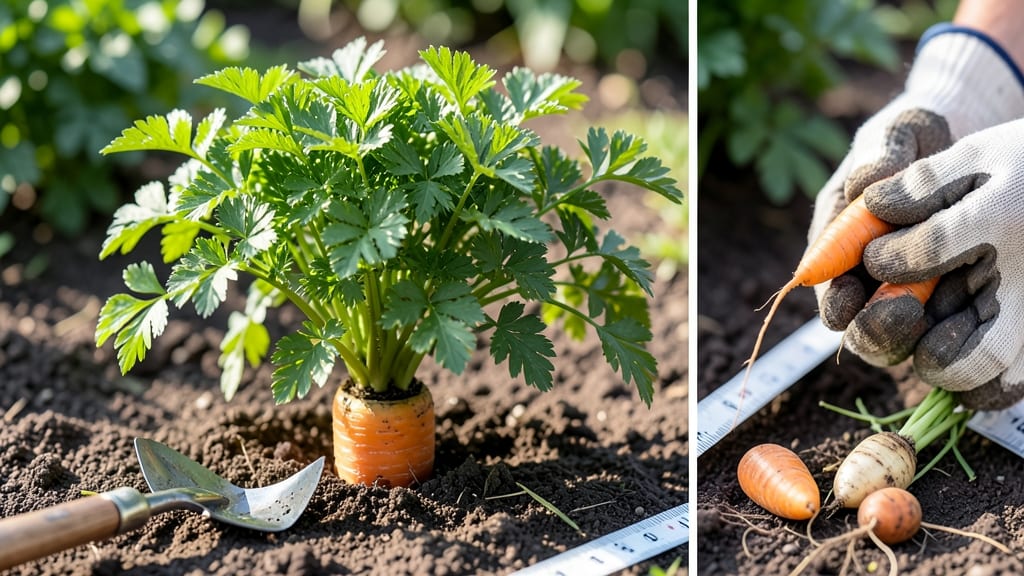
Telling when to harvest carrots 🥕 comes down to a simple finger-dip test and a few key visual cues that most gardeners miss.
Ever pulled a carrot from the ground only to find it woody, underdeveloped, or bitter? That’s usually a timing issue—and the good news is, you can avoid it with just a few minutes of observation.
The secret lies in the soil, the leaves, and that perfect moment when the root is firm but still sweet.
Most gardeners wait too long, thinking bigger means better, but overripe carrots lose their crispness and turn tough. The ideal harvest window is when your carrots reach 6-12 inches in length, their tops are 4-6 inches tall, and the shoulder (where the root meets the stem) is fully buried.
This is when they’re at their peak flavor and texture.
Below, I’ll walk you through the exact steps to test for readiness—no guesswork, just crisp, sweet carrots every time. You’ll also learn how to adjust for different varieties, avoid common mistakes, and even harvest baby carrots for early salads.

The finger-dip test and 4 visual signs your carrots are ready
Harvesting carrots at the perfect moment transforms your garden into a sweet, crisp treasure trove. The key? A combination of the finger-dip test and visual maturity cues that reveal when your roots are ready to pull.
Unlike leafy greens, carrots don't send obvious signals, so we'll decode their subtle language to avoid the dreaded woody texture or underdeveloped bite.
I've learned through years of gardening that timing matters more than you'd think. A carrot harvested too early stays bitter and stringy, while one left too long becomes tough and pithy.
The solution? Master these five foolproof methods—including the finger-dip test—that guarantee you'll pull carrots at their peak flavor and texture every time.
The finger-dip test is my go-to method for checking carrot readiness without digging up every plant. Simply press your finger gently into the soil beside the carrot's foliage. If the root resists your pressure and feels firm, it's ready to harvest.
This test works best in loose, well-drained soil—the same conditions that give you straight, sweet carrots to begin with.
For visual indicators, start with the leaves. Mature carrot foliage should reach 4-6 inches tall with vibrant green color. The leaves act like a clock—when they hit this size, the roots below are typically ready.
I always check the leaves first because they give you a non-invasive way to estimate maturity before disturbing the soil.
Next, examine the shoulder of the carrot—the part where the root meets the stem. When this shoulder is at least 1/2 inch below the soil line, your carrot has developed enough to be harvested.
This buried position protects it from greening, which makes carrots bitter. I mark my rows with small stakes to track this depth visually.
Color plays a crucial role too. A ready-to-harvest carrot will have uniform color matching its variety (orange, purple, yellow) with no green streaks. Green indicates the carrot has been exposed to sunlight, which triggers bitter compounds to form. My rule? Harvest before any green appears on the shoulders or roots.
Finally, pay attention to the root shape when you gently brush away soil. The carrot should be straight and firm, not forked or woody.
If you notice any forking or splitting, it's a sign the carrot needs harvesting immediately—these are classic signs of overcrowding or poor soil conditions that can't be fixed once the roots form.
Pro tip: For baby carrots (1-3 inches long), harvest when the tops reach about 2-3 inches tall. These early harvests give you tender, sweet carrots perfect for salads. I often plant a small succession bed just for this purpose, harvesting every 2-3 weeks for continuous supply.
Remember, the finger-dip test combined with these visual cues gives you a 90% accuracy rate in determining perfect harvest time. The remaining 10% comes from experience—learning what works best in your specific soil and climate.
My first few years of gardening taught me that no two gardens are identical, so always adjust your timing based on what you observe.
How long until harvest? Carrot variety growth charts by days to maturity
Knowing when to harvest your carrots isn't just about counting days—it's about matching your variety's maturity timeline with your local growing conditions. Different carrot types reach peak sweetness at different speeds, and soil temperature can shift your harvest window by weeks.
Let's break down the days to maturity for popular varieties so you can plan your harvest like a pro.
Most seed packets list a days-to-harvest range, but real-world growing conditions—like cool spring soil or hot summer days—can stretch or shrink that timeline. For example, Danvers carrots might take 70-80 days in warm climates but 85-90 days in cooler zones.
Understanding these variations helps you avoid the disappointment of woody, overripe carrots or underdeveloped roots.
Climate plays a huge role in adjusting your harvest timeline. If you're growing in Zone 5 or cooler, expect to add 10-15 days to most varieties' maturity timelines. Conversely, gardeners in Zone 8+ can harvest 5-10 days earlier thanks to longer growing seasons.
Always check your seed packet instructions for specific variety notes, as some heirloom types may have unique growth patterns.
Don't forget to monitor your carrots' soil exposure—if the shoulder (top of root) is still visible above the soil, they need more time. But if the leaves start yellowing or the roots feel woody, it's time to harvest before quality declines.
For baby carrots, you can harvest as early as 40-50 days, regardless of variety.
Pro tip: Use a gardening journal to track your carrots' growth. Note when you planted, the soil temperature at planting, and any unusual weather patterns. Over time, you'll develop a keen eye for predicting your personal harvest windows—because every garden is unique!