
How To
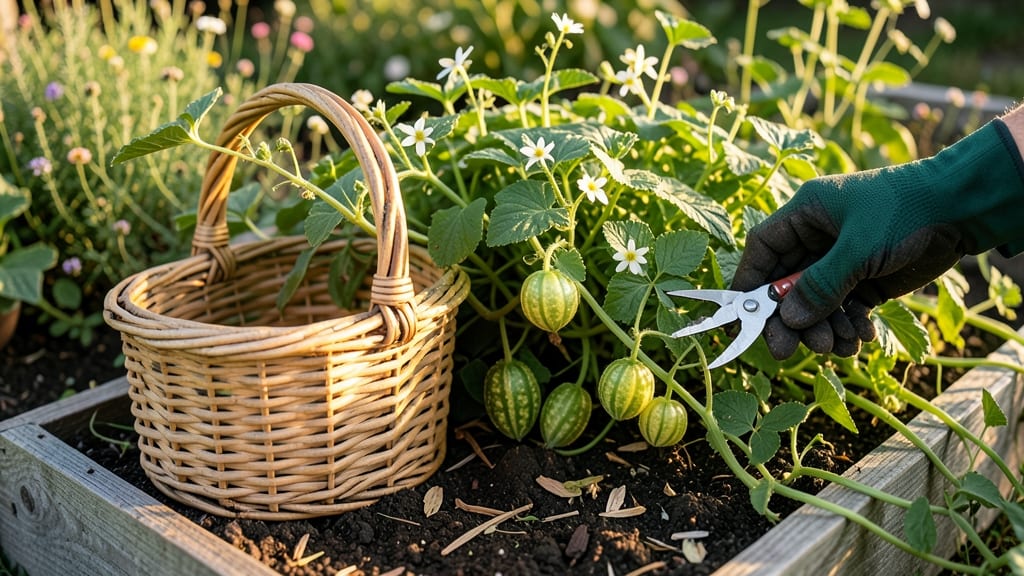
Harvest cucamelons when they’re 1-2 inches long and pale green with waxy skin—this is the sweet spot for their signature crunch and tang.
Cucamelons—those adorable, watermelon-sized cucumbers with a sweet-tart crunch—can turn from perfect to mushy in hours. Knowing exactly when to pluck them ensures you enjoy their signature flavor and texture at peak freshness.
Miss the window, and you’ll end up with mealy, overripe fruit that falls apart like a soggy sponge. But get it right, and you’ll savor their bright, refreshing burst that’s perfect for salads or snacking straight off the vine.
Below, I’ll walk you through three tactile tests to nail the harvest, plus how often to pick for a continuous bounty of these tiny treasures.

3 Tactile tests to identify perfectly ripe cucamelons
Cucamelons are finicky little fruits—harvest too early, and they’re bitter; too late, and they turn mealy. The secret lies in your fingertips. These three tactile tests will help you determine ripeness without guessing, ensuring every cucamelon you pick is bursting with that perfect sweet-tart crunch.
Unlike cucumbers or tomatoes, cucamelons don’t rely on color alone for ripeness. Instead, they combine size, texture, and stem separation into a foolproof system. Master these cues, and you’ll never miss the harvest window again.
Pro tip: Harvest in the morning when cucamelons are cool and hydrated. This is when their flavors are most vibrant, and the skin is firmest. Avoid picking after a hot day—they’ll be softer and more prone to bruising.
Color alone isn’t enough—ripe cucamelons shift from bright green to a pale green or yellowish hue, but this change can be subtle. That’s why the tactile tests are your best friends. Pair the size check with the squeeze test, and you’ll never overlook a perfect cucamelon again.
Once you’ve mastered these tests, you’ll notice cucamelons ripen in 24-48 hour cycles. This means you’ll need to check your vines frequently, especially during peak production. A quick glance and a gentle squeeze can save you from a pile of mushy rejects.
For container growers, pay extra attention to cucamelons near the edges of pots—they often ripen faster due to warmer soil temperatures. Twist-test these first to avoid missing any hidden gems.
If you’re growing cucamelons in shady conditions, their ripening process slows down. In this case, rely more on the stem separation test, as color changes may be less pronounced. Overcast days can also delay ripening, so adjust your expectations accordingly.
Remember, cucamelons are self-pollinating, meaning each flower produces fruit without cross-pollination. This makes them easier to manage than some other vining plants, but it also means you’ll need to harvest them consistently to encourage more blooms and fruit.
Start harvesting 60-75 days after planting, depending on your climate. In warmer zones, you might see fruit as early as 50 days, while cooler areas may take closer to 80 days. Keep a harvest journal to track your plants’ ripening patterns year after year.
With these tactile tests in your gardening toolkit, you’ll transform from a cucamelon newbie to a harvesting pro in no time. Soon, your friends will be asking for your secret—just don’t tell them it’s all in the touch! 🌱
Common harvesting mistakes and how to avoid them
Even with perfect ripeness tests, cucamelons can still go bad if you don't account for environmental factors or harvest timing. One of the biggest mistakes is waiting too long after they pass their prime—those tiny fruits turn mealy within 24 hours of overripeness, losing all their crisp texture.
Heat and humidity also play sneaky roles. In high humidity, cucamelons soften faster, while intense afternoon sun can cause them to overripen before you even notice. These conditions make the tactile tests even more critical, as visual cues become less reliable.
Another common error is harvesting underripe cucamelons because they're the only ones visible. These tiny fruits taste bitter and lack the signature crunch. Always check the vines thoroughly, especially in shady spots where fruits may ripen more slowly.
Post-harvest care is equally important. Store cucamelons in the fridge crisper drawer (not the door) where humidity is higher. They'll stay fresh for 5-7 days if kept dry and cool, but avoid washing until you're ready to eat them—the moisture speeds up spoilage.
For container gardeners, watch for overcrowding on vines. When cucamelons grow too close together, they compete for nutrients and ripen unevenly. Prune gently to improve airflow, which helps fruits mature more consistently.
If you notice white powdery mildew on your vines, harvest all cucamelons immediately. The fungus spreads quickly and can make fruits inedible within 48 hours. Remove affected leaves and apply neem oil to prevent further spread.
With these adjustments, you'll transform from a harvesting guesser to a cucamelon connoisseur, ensuring every bite delivers that perfect sweet-tart crunch. The key is vigilance—check your vines daily during peak season and adjust based on weather conditions. 🌿