
How To
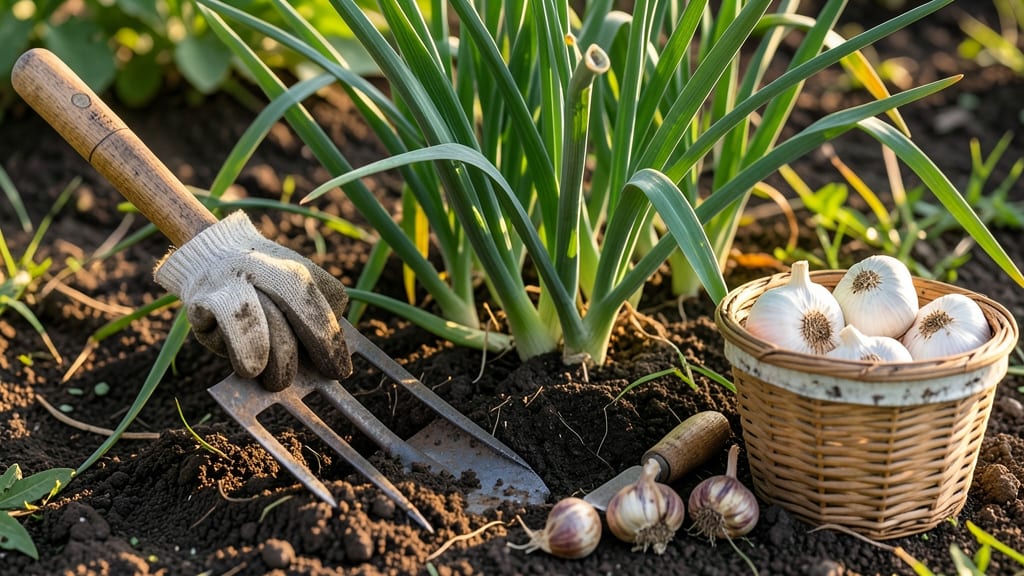
Harvesting garlic in Zone 8 at the right time means the difference between bold, flavorful cloves and shriveled scraps.
Garlic lovers in Zone 8 know timing is everything—harvest too early, and you lose flavor; wait too long, and you risk bolting or rot. But when exactly should you pull those scapes or dig up bulbs for peak freshness?
Most gardeners wait until late June or early July, when about half the leaves have turned brown and crispy. But there’s more to it than just the calendar. The bulbs should feel firm when squeezed, and the skins should be tight and papery—like a dry, papery onion.
Below, I’ll walk you through the exact visual cues to watch for, how to test for doneness, and the best way to store your harvest so it stays fresh for months. No guesswork, just actionable steps for your Zone 8 garden.

How to tell when garlic scapes are ready for harvest in Zone 8
Garlic scapes emerge in late spring (usually March-April in Zone 8) and signal that your bulbs are storing energy for growth. These curly green stems are a gardener's bonus—removing them redirects energy back to the bulb development, resulting in larger, more flavorful cloves.
But timing matters: harvest too early, and you miss out on extra harvests; too late, and you stunt bulb growth.
In Zone 8, scapes typically appear 3-4 weeks after the first green shoots break through the soil. This window—roughly mid-April to early May—is your best bet for harvest.
The key is watching for visual cues that indicate peak readiness, not just guessing by calendar dates. Let’s break down exactly what to look for.
- Scape Length: Aim for 6-12 inches long. Shorter scapes (under 6 inches) haven’t fully matured, while longer ones (over 12 inches) may have already diverted too much energy from the bulb.
- Curling Pattern: The tip should curl tightly into a corkscrew shape. A loose or straight scape means it’s not ready yet.
- Stem Diameter: The scape should feel firm and thick (about the width of a pencil). Thin stems are immature.
- Leaf Health: The bottom leaves of the garlic plant should still be green and healthy. If they’re browning, the scape harvest window has passed.
Harvesting scapes at the right time isn’t just about getting an extra harvest—it’s about maximizing bulb size. When you remove scapes too early, the plant continues to grow them instead of focusing on bulb development.
Conversely, waiting too long means the scape has already siphoned nutrients from the bulb, leaving you with smaller cloves. Zone 8’s mild winters and warm springs create a 3-4 week window for scape harvest, so stay vigilant.
To harvest, use a clean, sharp knife or shears to snip the scape about 1-2 inches above the garlic plant’s base. Avoid pulling or tearing, which can damage the plant. After harvesting, you can use scapes in cooking (they’re mild and garlicky!) or save them for regrowing new plants.
If you choose the latter, replant the scapes in soil, and they’ll eventually produce smaller garlic bulbs.
One common mistake in Zone 8 is assuming all scapes are ready at the same time. Hardneck varieties (like Rocambole or Silverskin) often produce scapes earlier than softneck varieties (like Artichoke).
Pay attention to each plant individually—some may be ready while others still need time. This staggered readiness is why checking each plant’s scape is crucial for a successful harvest.
After harvesting scapes, focus on watering and feeding your garlic plants to compensate for the lost nutrients. Increase watering slightly (about 1 inch per week) and apply a balanced fertilizer (like 10-10-10) to encourage bulb growth.
This step is especially important in Zone 8, where the warm spring can dry out soil quickly. Mulching with straw or compost will also help retain moisture and protect the bulbs as they mature.
If you miss the scape harvest window, don’t panic. Your garlic bulbs will still develop, though they may be slightly smaller. The trade-off is that you’ll miss out on the extra harvest and the chance to propagate new plants from scapes.
In Zone 8, the bulb harvest window typically opens in late May to early June, so you’ll still have time to prepare for that next step.
Remember, garlic scapes are a one-time harvest per plant. Once you remove them, the plant shifts its energy entirely to bulb development. This is why timing is so critical—you want to give your garlic the best chance to grow large, flavorful bulbs before the heat of summer sets in.
Keep an eye on your plants, and you’ll know exactly when to harvest for the best results.
For Zone 8 gardeners, the scape harvest is a delicate balance between patience and action. Too much hesitation, and you risk smaller bulbs; too much haste, and you lose out on extra garlic.
But with these visual cues and a little practice, you’ll master the art of scape harvesting in no time. Happy gardening!
Zone 8 garlic bulb harvest timeline: when soil signals it’s time
In Zone 8, garlic bulbs mature between late May and early June, but the real secret to perfect harvest timing lies in what your plants and soil are telling you.
Unlike scapes, which have a clear visual cue, bulb harvest depends on leaf color, bulb firmness, and even the papery skin forming around cloves. Ignoring these signals can mean flavorless bulbs or wasted effort.
Start monitoring your garlic plants in late April—that’s when the first signs of readiness begin appearing. The bottom leaves will yellow and crisp, while the top leaves remain green and healthy.
This contrast is your first green light that the bulbs are nearing maturity. But don’t rush—wait until at least 50% of the leaves have turned brown before digging.
⚠️ CRITICAL: Harvesting too early means small, pungent bulbs with poor storage life. Waiting too long risks bolting (flowering) or rot from overripe cloves. The ideal harvest window in Zone 8 is when 60-70% of leaves are brown and crispy, but the tops stay green.
| Harvest Indicator | What to Look For | Zone 8 Timeframe |
|---|---|---|
| Lower Leaves | Brown, crispy, and dying back | Late May |
| Top Leaves | Still green and upright (50-70% brown) | Early June |
| Bulb Skin | Tight, papery, and covering cloves | Late May-June |
| Bulb Firmness | Solid when squeezed, no soft spots | Early June |
| Soil Condition | Dry enough to dig without sticking | Late May-June |
To confirm readiness, gently lift a bulb from the soil (don’t dig the whole plant yet). If the skin is tight and papery and the cloves feel firm, it’s harvest time. If the skin is loose or the cloves feel soft, wait another 1-2 weeks.
Pro tip: Dig on a dry, sunny day—this helps the bulbs dry faster and reduces rot risk.
Once harvested, cure your garlic properly for maximum shelf life. Lay bulbs in a shady, well-ventilated area (like a garage or porch) for 2-3 weeks, ensuring they get good airflow. Avoid direct sunlight, which can cause the skins to darken.
After curing, braid or store whole bulbs in a cool, dark place (like a mesh bag in your pantry) where they’ll keep for 6-12 months.
If you miss the harvest window, don’t panic—garlic can often be left in the ground until late June, but flavor and storage life may suffer. For next year, mark your calendar for late May to early June in Zone 8 and trust your plants’ signals.
Your future meals will thank you! 🌱