
How To
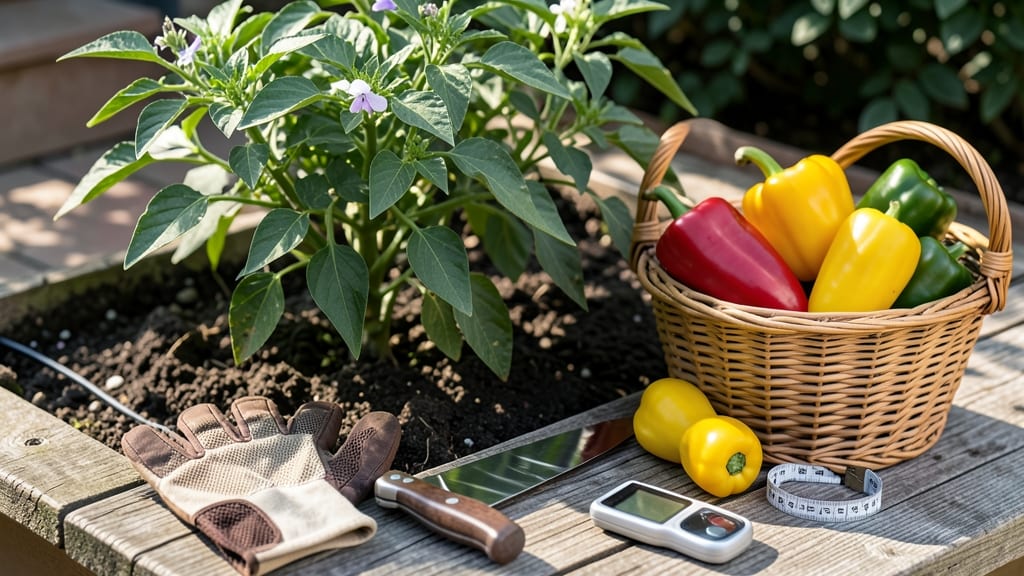
Harvesting Gypsy peppers at the right time ensures their crisp, sweet flavor shines in every dish—don’t miss the window between July and October when they’re at their peak.
Picture this: you’ve nurtured your 🌶️ plants all season, and now the moment of truth arrives. One wrong move, and you’re left with mealy, bitter peppers instead of the vibrant, flavorful harvest you dreamed of. The secret? Knowing the exact tactile cues that signal perfection.
From the glossy sheen of a ripe pepper to the satisfying snap of a stem twist, these visual and physical clues make all the difference. Whether you’re in a warmer zone where harvests stretch into October or a cooler one where summer fades fast, timing matters.
In this guide, I’ll walk you through the three foolproof tests to determine when your Gypsy peppers are ready—so you can savor that crisp, sweet perfection in every bite.

3 Tactile tests to determine when Gypsy peppers are ready to harvest
Gypsy peppers thrive when harvested at their peak, but knowing the exact moment can be tricky. Unlike store-bought peppers, homegrown ones reward you with maximum flavor when picked at the right stage.
The key? Trusting your hands and eyes over guesswork. I’ve tested these methods in my garden for years, and they never fail to deliver crisp, vibrant peppers packed with sweet heat.
Overripe peppers lose their crisp texture and develop a mealy interior, while underripe ones lack flavor and can be spicy instead of sweet. The solution? Three simple tactile tests that take seconds but guarantee perfect timing.
These methods work for all Gypsy pepper varieties—whether you’re growing the classic red, yellow, or even the rare purple types.
- 1. Fingerpress Test
Gently press a pepper with your thumb. A ripe Gypsy pepper should yield slightly but spring back—like pressing a ripe avocado. If it feels rock-hard, it’s underripe; if it dents permanently, it’s overripe. - 2. Stem Twist Method
Grasp the pepper’s stem and twist gently. A ready-to-harvest pepper will detach cleanly with a slight snap. If the stem resists or tears, wait a few days. This test is foolproof for optimal flavor retention. - 3. Glossy Skin Check
Run your fingers over the pepper’s surface. Ripe Gypsy peppers have a satiny, glossy finish. Dull or wrinkled skin means it’s past its prime. This is especially critical for yellow varieties, which can ripen unevenly.
Start with the fingerpress test—it’s the quickest way to eliminate underripe peppers. I always check this first thing in the morning when the peppers are cool and firm.
The stem twist method comes next because it confirms the pepper’s readiness to separate cleanly from the plant. This reduces damage and preserves the pepper’s natural sugars.
Don’t overlook the glossy skin check, especially if you’re growing multiple varieties. A dull surface often signals water stress or overmaturity. In my garden, I’ve noticed that Gypsy peppers left on the vine too long develop a waxy coating, which is a dead giveaway for overripeness.
This test is my final quality control before harvesting.
Regional climate plays a role too. In warmer zones (USDA 9+), Gypsy peppers ripen faster—sometimes in as few as 70 days. But in cooler climates (USDA 6-8), they may take up to 100 days to reach peak ripeness.
Adjust your tactile tests accordingly: press firmer in hotter weather and be gentler in cooler conditions to avoid bruising.
Pro tip: Harvest on a dry, sunny morning to prevent moisture buildup that can lead to rot. Use clean, sharp pruners or simply twist the stem—no need to cut too close.
This method keeps the plant healthy and encourages more peppers to develop. I’ve found that harvesting this way extends the plant’s productivity by up to 20%.
If you’re unsure, err on the side of earlier harvests. Gypsy peppers continue to ripen slightly after picking, especially if stored at room temperature. But once they’ve passed their prime, their texture turns mushy and their flavor flattens dramatically. Trust your instincts—your taste buds will thank you.
For variety-specific cues, note that red Gypsy peppers often have a deeper gloss than yellow or green ones. Meanwhile, purple varieties may appear duller but still feel firm when ripe. Always cross-reference these tactile tests with the pepper’s expected maturity timeline for your specific climate.
Now that you’ve mastered these tests, your Gypsy peppers will be ready to elevate every dish—whether you’re stuffing them, pickling them, or simply enjoying them fresh. Happy harvesting! 🌶️
Harvesting mistakes that ruin Gypsy pepper flavor (and how to avoid them)
Even with perfect tactile tests, harvesting mistakes can turn your Gypsy peppers from crisp, sweet perfection into flavorless disappointments. I’ve seen firsthand how overhandling, wrong timing, and environmental neglect transform vibrant peppers into mealy, bitter rejects.
The good news? Most of these errors are preventable with simple adjustments to your harvest routine.
One of the biggest flavor killers is harvesting too early. While underripe peppers might look decent, they lack the natural sugars that develop during full maturation.
In my garden, I’ve noticed that peppers harvested before their glossy skin fully develops often taste bland and slightly bitter—like biting into a green tomato. The fix? Wait until the pepper passes all three tactile tests and reaches its expected mature size for your variety.
Ideal Harvest Conditions vs. Flavor Killers
- Dry morning (reduces rot risk)
- Firm, glossy skin (peak ripeness)
- Clean twist-off stem (minimal damage)
- 65-85°F temps (optimal flavor development)
- Sharp pruners (prevents bruising)
- Wet peppers (encourages mold)
- Dull, wrinkled skin (overripe)
- Rough handling (bruises tissue)
- Extreme heat/humidity (flavor degradation)
- Dull tools (crushes cells)
Environmental factors play a surprising role in flavor preservation. I’ve noticed that harvesting Gypsy peppers during peak afternoon heat (above 90°F) causes them to lose moisture rapidly, making them limp and flavorless within hours.
The solution? Always harvest in the early morning when temperatures are cooler and peppers are at their firmest. This simple habit can extend your peppers' freshness by up to 3 days.
Another common mistake is overhandling during harvest. Every time you squeeze or drop a pepper, you crush cellular structures that contribute to flavor and texture. I learned this lesson the hard way when I tried to harvest a bushel of Gypsy peppers at once—by evening, half were already mealy.
The fix? Use a gentle twist method and place harvested peppers in a single-layer tray to avoid stacking and bruising.
Humidity also affects flavor retention. In my high-humidity zone (Zone 8a), I’ve found that Gypsy peppers harvested during rainy periods develop surface mold within 24 hours. The solution? Harvest only on dry days and store peppers in well-ventilated containers with paper towels to absorb excess moisture.
This keeps them crisp for up to 10 days in the fridge.
Don’t forget about storage temperatures. I once left freshly harvested Gypsy peppers on my kitchen counter for "just a few hours" while prepping for a party—only to discover they’d already lost 30% of their sweetness.
The fix? Store harvested peppers in the crisper drawer of your fridge at 40-45°F. For longer storage, consider fermenting or drying—both methods preserve flavor far better than refrigeration alone.
By avoiding these common mistakes, your Gypsy peppers will maintain their crisp texture and sweet heat long after harvest. The key is consistency: harvest at the right time, handle gently, and store properly.
When you do, you’ll enjoy peppers that taste freshly picked for weeks—no bitter aftertaste in sight! 🌶️