
How To
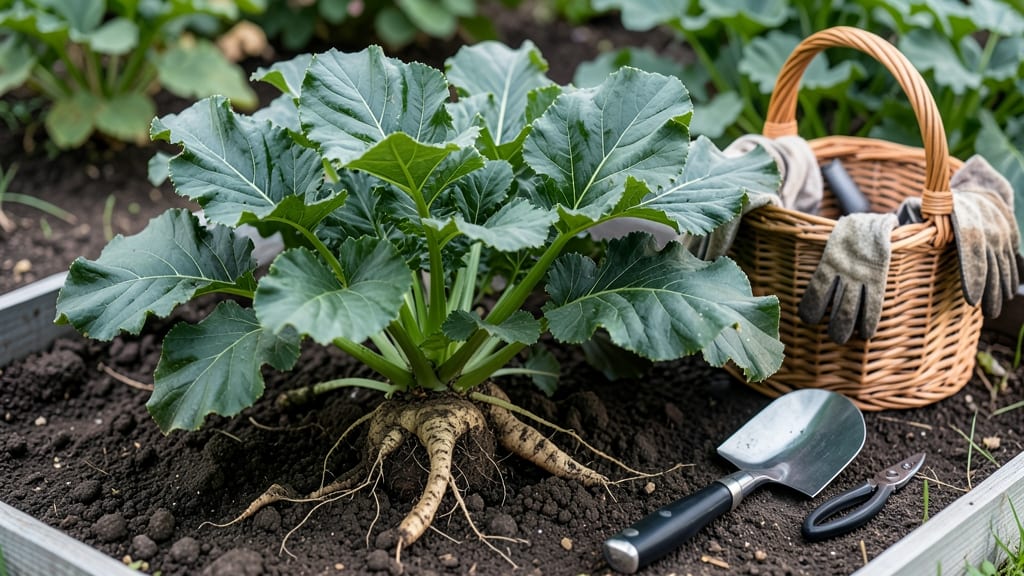
Harvesting horseradish root at the right time means unlocking its boldest, most pungent flavor—when the foliage yellows and soil cools in fall or early winter 🌱.
Picture this: you’ve spent two years waiting for those roots to plump up, only to dig them up too early and end up with mild, watery horseradish that lacks its signature kick. Or worse, you wait too long and the roots turn woody and bitter.
The difference between a sharp, fiery condiment and a disappointing one often comes down to timing—and a few simple checks.
In colder climates like USDA Zone 6a, the first frost signals the perfect window to harvest, but even in milder areas, cooler temperatures trigger the root’s natural sweetness to convert into heat.
Below, I’ll walk you through three tactile tests to confirm your horseradish is ready—plus how to store it so it stays fiery for months.
You’ll learn how to read the leaves for readiness, what root size means for flavor, and the one mistake that turns your harvest into a flavorless flop. By the end, you’ll know exactly when to pull those roots for the most potent horseradish your kitchen has ever tasted.

3 Tactile tests to determine perfect horseradish harvest timing
Harvesting horseradish roots at the wrong time can turn your fiery condiment into a bland disappointment. The key lies in three tactile tests that reveal when roots have reached peak maturity.
These methods—root size assessment, leaf color analysis, and soil temperature probing—work together to ensure you harvest at the perfect moment for maximum pungency and storage life.
Horseradish roots take 18 to 24 months to mature fully, but waiting too long can actually reduce their heat. Overgrown roots become woody and less potent, while underripe ones lack the bold flavor gardeners crave.
By using these science-backed tactile tests, you’ll avoid both extremes and unlock the full potential of your crop.
Here’s how to apply each test in your garden to determine the ideal harvest window:
🔍 3 Tactile Tests for Horseradish Roots
- Root Size: Dig up a small test root. It should be 2–3 inches thick and weigh 6–12 ounces. Smaller roots are underdeveloped, while larger ones may be past their prime.
- Leaf Color: Look for yellowing foliage in late fall or early spring. Healthy green leaves mean the root isn’t ready; crispy, brown edges signal it’s time to harvest.
- Soil Temperature: Probe the soil with your finger. When temps drop below 60°F, the plant shifts energy to root storage, making it the perfect harvest cue.
Start by checking the root size in early fall. Use a trowel to gently dig around the base of the plant and pull up a small root. If it feels firm and measures at least 2 inches in diameter, it’s on the right track.
Smaller roots need more time to develop the complex flavors and heat that define horseradish.
Next, observe the leaf color as a secondary indicator. Horseradish leaves should transition from vibrant green to a yellowish hue before harvest. This color change signals the plant is redirecting nutrients to the roots, a clear sign of maturity. If leaves remain green, wait another 4–6 weeks before testing again.
The soil temperature test is often the most reliable method, especially in cooler climates. Horseradish thrives in cool-season conditions, and when soil temps drop below 60°F, the plant’s growth slows, allowing roots to thicken and store more of their signature compounds.
Use a soil thermometer or your finger—if the soil feels cool to the touch, it’s time to act.
For gardeners in warmer climates, timing shifts slightly. In USDA Zones 8–10, horseradish may need a winter dormancy period to trigger maturity. Plant in early spring, then harvest in late fall or early winter when nighttime temps consistently drop below 50°F.
This mimics the natural cooling cycle that signals root readiness.
One common mistake is waiting until the first frost to harvest. While frost can help concentrate flavors, digging too late can cause roots to split or rot in cold, wet soil.
Aim to harvest 1–2 weeks before the first hard frost for optimal results. This gives you enough time to cure and store the roots before winter sets in.
After harvesting, avoid washing the roots immediately. Instead, let them air-cure for 24 hours in a cool, dry place. This step helps preserve their heat and prevents spoilage during storage.
Once cured, store roots in a dark, humid environment like a root cellar or refrigerator to maintain their fiery kick for months.
By mastering these three tactile tests, you’ll never again miss the perfect harvest window. Whether you’re growing horseradish for fresh grated condiments or long-term storage, these methods ensure your roots deliver the bold, spicy punch gardeners love. Happy digging!
How long horseradish takes to reach peak pungency (and when to stop waiting)
Horseradish roots need 18 to 24 months to reach their peak pungency, but the exact timing depends on your climate and growing conditions.
In USDA Zone 6a, I’ve found that roots planted in early spring typically hit their flavor peak by fall or early winter, around October to December, when cooler temperatures trigger the conversion of sugars into that signature heat.
If you’re in a warmer climate, the timeline may stretch to 36 months, but waiting too long risks turning the roots woody and bitter. The key is balancing patience with readiness—digging too early means mild, underdeveloped roots, while waiting too long sacrifices flavor for size.
Below, I’ll break down the growth stages and seasonal factors that determine the perfect harvest window.
🌱
| Growth Stage | Timeframe | Key Indicators | Action |
|---|---|---|---|
| Planting | Spring (March-April) | Sprouts emerge in 2-3 weeks | Water deeply, mulch |
| First Year | 12 months | Leaves grow to 1-2 ft tall | Light fertilizer in spring |
| Second Year | 18-24 months | Leaves yellow, roots firm | Harvest before first frost |
| Over-Mature | 36+ months | Woody texture, bitter taste | Avoid harvesting |
In my experience, the second year is when horseradish roots truly shine. By this time, the plant has established a robust root system, and the foliage begins to yellow and die back—a clear signal that the root is redirecting energy toward storage.
This process is triggered by cooler temperatures (below 60°F), which is why fall is the ideal harvest window in most regions.
One common mistake I’ve seen is waiting until the roots are too large. While bigger roots might seem like a win, they often become woody and less pungent. The sweet spot is when the roots are firm, smooth-skinned, and about the size of a fist.
At this stage, the flavor is at its peak, balancing sweetness and heat perfectly.
If you’re in a warmer climate, like Zone 8 or higher, the timeline may extend to 30-36 months, but the same principles apply. Monitor the foliage for yellowing and the soil temperature—once it drops below 60°F consistently, it’s time to harvest.
Ignoring these cues can lead to roots that are over-mature and flavorless, a disappointment after all that waiting.
Pro tip: If you’re unsure, dig up one root to test. Peel a small section and taste it—if it’s sharp and fiery, you’re ready. If it’s mild, give it another 4-6 weeks.
But remember, once the roots turn woody, there’s no bringing back that bold flavor. Timing is everything in the world of horseradish!