
How To
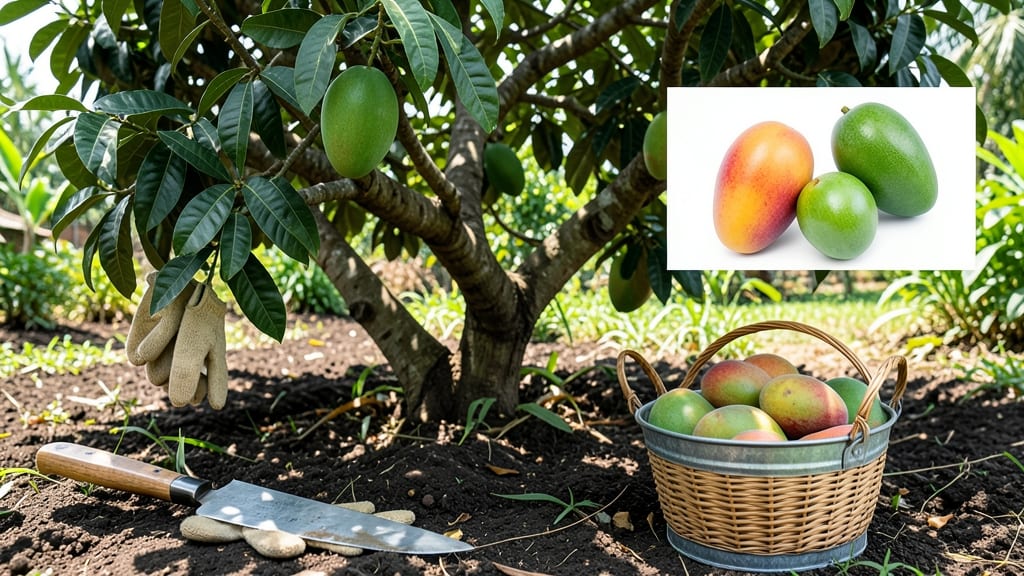
Harvesting mangoes at the right time turns a bland fruit into a juicy, flavorful explosion—yet too late, and you’re left with mushy disappointment.
Picking a mango at the perfect ripeness can be tricky—too early, and it’s bland; too late, and it’s mealy. But with these science-backed ripeness tests, you’ll never guess again.
Most gardeners rely on color alone, but the real secrets lie in scent and texture. A ripe mango emits a sweet, tropical aroma near the stem, and its skin yields slightly when pressed—not too soft, not too firm.
Below, I’ll break down the three foolproof tests to nail harvest timing, plus how to handle mangoes that ripen too soon or too late—so you’re always ready with a perfect fruit.


3 Visual and physical ripeness tests for harvesting mangoes
Picking a mango at the perfect ripeness takes practice—one wrong move, and you’re left with a bland or mealy fruit. The good news? You don’t need to cut into the fruit to tell when it’s ready.
Instead, rely on visual cues, physical tests, and even your sense of smell. These three methods will help you harvest mangoes at their peak flavor and texture every time.
Mangoes continue ripening after they’re picked, but harvesting them at the right stage ensures the best eating experience. Overripe mangoes turn mushy, while underripe ones stay hard and tasteless.
The key is knowing how to read the fruit’s signals—like color shifts, stem flexibility, and the telltale aroma near the stem. Let’s break down each test so you can confidently harvest like a pro.
Color Change
Look for a deepened hue—green fading to yellow, orange, or red depending on the variety. Avoid fully green or uniformly colored fruit.
Thumb Test
Gently press the fruit’s cheek—it should yield slightly (like a ripe avocado) but not feel mushy. No give? Wait a few days.
Stem Twist
Grasp the fruit’s stem and twist gently—it should detach easily from the tree. Resistance means it’s not ready.
Start with the color test—this is your first clue. Mango varieties like Ataulfo turn golden-yellow, while Alphonso mangoes develop a deep red blush. If the skin is still mostly green, the fruit needs more time on the tree.
Pro tip: Check the blotchy color near the stem first—this area ripens before the rest of the fruit.
The thumb test is my favorite because it’s foolproof. Press your thumb into the mango’s flesh—it should feel slightly soft but firm, like pressing a ripe peach. If it springs back or feels rock-hard, wait 2-3 days.
Overripe mangoes will feel mushy and may leave an indentation when pressed. This test works best when combined with the other two methods for accuracy.
Don’t underestimate the power of smell. A ripe mango releases a sweet, tropical aroma near the stem. Sniff carefully—if you catch a whiff of that familiar mango scent, it’s ready to harvest.
No smell? The fruit isn’t ripe yet. This test is especially useful for green-skinned varieties, where color changes can be subtle.
Next, try the stem twist method. Hold the mango’s stem between your thumb and forefinger, then twist gently. A ripe mango will detach effortlessly from the tree. If you feel resistance or hear a crack, the fruit isn’t ready.
This test is crucial because it confirms the fruit’s internal ripeness—even if the color looks promising.
Combine all three tests for the most accurate results. For example, if a mango passes the color and stem twist tests but fails the thumb test, give it another day or two.
Conversely, if it smells ripe but the color is still green, it might need more time on the tree. Think of these tests as a checklist—each one builds confidence in your harvest decision.
Harvesting at the right time also depends on your climate. In hot, humid regions, mangoes ripen faster, so you might need to harvest slightly earlier. In cooler areas, they’ll take longer to reach peak ripeness.
Always prioritize the physical tests over color alone—some varieties never fully turn yellow or red, even when ripe.
Once you’ve mastered these tests, you’ll never second-guess your mango harvest again. The key is patience—waiting for the fruit to signal its readiness ensures the best flavor and texture.
And if you accidentally pick a mango too early? Don’t worry—I’ll share how to ripen them at home in the next section.
Happy harvesting! With these three tests, you’ll enjoy juicy, sweet mangoes straight from your tree, every single time. 🥭
Best time of year to harvest mangoes by variety
Timing your mango harvest depends heavily on the variety and your local climate. While tropical regions enjoy year-round harvests, cooler climates may only see one peak season. For example, Alphonso mangoes thrive in India’s monsoon-heavy summers, while Haden mangoes ripen later in Florida’s extended growing season.
Climate plays a critical role—warmer regions speed up ripening, while cooler areas may extend the harvest window. A 30°F drop can stall ripening, so monitor temperature trends. Below, I’ve outlined the peak harvest months for four popular varieties and how to adjust for your growing conditions.
| Variety | Peak Harvest Months | Climate Notes | Ripening Time (Days After Flowering) |
|---|---|---|---|
| Alphonso | June–August | Monsoon-heavy; ripens faster in humidity | 120–150 |
| Ataulfo | April–July | Tolerates slight chill; extends harvest in cooler zones | 150–180 |
| Kent | August–October | Heat-loving; ripens slower in high altitudes | 180–210 |
| Haden | September–November | Cold-hardy; ripens later in northern climates | 210–240 |
If you’re in a cooler climate, like USDA Zone 9, expect harvests to shift 2–4 weeks later than tropical regions. For example, Haden mangoes in California may ripen in late October instead of September. Always track your tree’s flowering date—most varieties take 120–240 days to mature.
Pro tip: Use a harvest calendar to note when your tree flowers. Subtract the variety’s ripening days (from the table above) to predict your harvest window. For instance, if your Ataulfo blooms in February, expect fruit by late June or early July.
Climate also affects ripening speed. In humid conditions, mangoes ripen 20–30% faster than in dry heat. If your region experiences unseasonal rains, monitor fruit closely—excess moisture can cause premature dropping or splitting.
For gardeners in container-grown mangoes, harvest timing may vary slightly due to root restriction. These trees often ripen 1–2 weeks earlier than their in-ground counterparts. Always prioritize fruit firmness and aroma over calendar dates—these cues never lie!