
How To
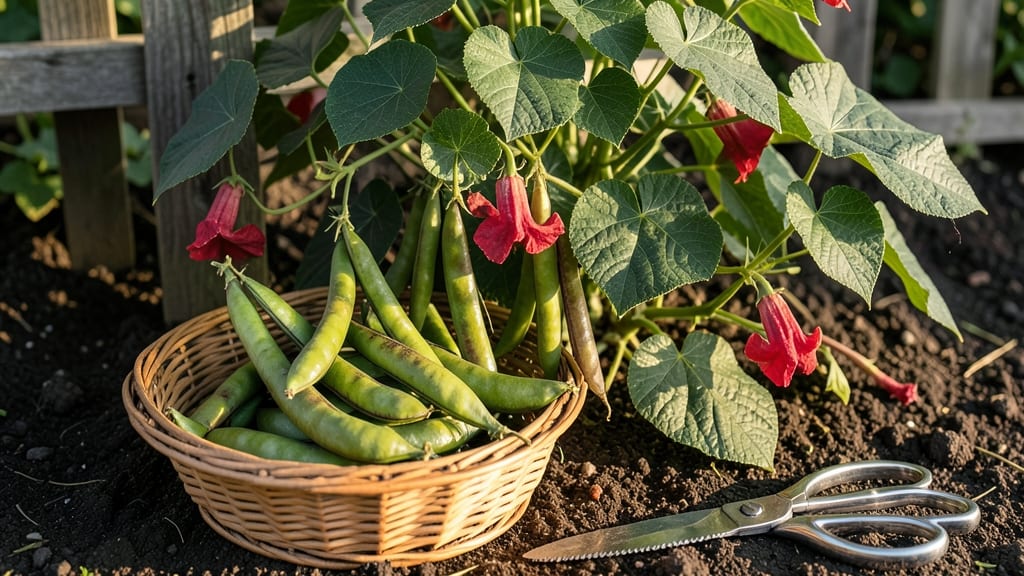
Harvest scarlet runner beans when pods are 4-6 inches long and firm to the touch—this is the sweet spot for peak flavor and texture.
Picture this: you’ve been waiting weeks for those vibrant red flowers to fade, and now the pods are plumping up. But how do you know they’re truly ready? One wrong move, and you might end up with tough, stringy beans instead of the tender, crisp treats you’re after.
Timing matters because these beans don’t wait forever. Miss the window, and the pods start to dry out or even crack open, letting the beans inside escape.
That’s why knowing the exact cues—like the glossy sheen on the pod or the telltale jiggle when you shake it—can mean the difference between a stellar harvest and a disappointing one.
In this guide, I’ll walk you through the visual and tactile signs that your scarlet runner beans 🌱 are ready to pick, plus how to keep the harvest going all season long. Let’s make sure you get the most out of your hard work!

How to identify the perfect harvest time for scarlet runner beans
Timing your scarlet runner bean harvest correctly transforms those vibrant vines into a garden goldmine. These beans pack the best flavor and texture when picked at their peak—just before they reach full maturity.
Unlike some beans that wait until fully dry, scarlet runners demand attention to pod size, color, and firmness to avoid tough, fibrous results.
I’ve learned the hard way that waiting even 2-3 days past the ideal window turns crisp pods into leathery messes. The key lies in mastering three simple cues: pod length, the "crack test", and bean firmness.
These visual and tactile signals ensure you harvest at the perfect moment for both fresh eating and drying.
Pod length is your first clue—aim for 4-6 inches when measured from stem to tip. This size range captures the sweetest flavor before the beans inside start expanding. Shorter pods (<3 inches) taste bland, while longer ones become tough and stringy. Think of it as the "goldilocks zone" for scarlet runner perfection.
| Harvest Stage | Pod Length | Pod Color | Firmness Test | Flavor Quality |
|---|---|---|---|---|
| Too Early | <3 inches | Pale green | Soft, rubbery | Bland, watery |
| Perfect Harvest | 4-6 inches | Glossy green | Firm, crisp | Sweet, tender |
| Overripe | >6 inches | Dull, matte | Leathery, tough | Bitter, fibrous |
The "crack test" is my favorite trick for confirming readiness. Gently squeeze a pod—if it cracks slightly along the seam (like a fresh green bean), it’s prime. No crack? Wait 1-2 days.
A loud snap or split means you’ve missed the window. This test works because scarlet runner pods contain dry seeds that harden as they mature, making the pod walls brittle.
Bean firmness inside the pod is equally critical. Run your thumb along the pod’s edge—you should feel small, firm beans that jiggle slightly when shaken. If they feel mushy or stick to the pod, harvest sooner. Overripe beans swell and flatten against the pod walls, signaling it’s too late. Pro tip: Shake a pod over a dark surface—visible movement inside confirms freshness.
Don’t overlook the pod color shift from pale green to deep glossy green. This vibrant hue indicates peak starch development. Dull or yellowing pods mean the plant is redirecting energy to seed production.
I check color first thing in the morning when dew enhances the pod’s natural sheen—this natural glossy finish is your final green light.
Regional variations matter too. In hotter climates (Zones 8-10), pods mature faster—harvest every 2-3 days to keep up with production. Cooler zones (6-7) may need weekly checks. I’ve found that morning harvests prevent afternoon heat from toughening pods faster. Always use sharp pruning shears to avoid damaging the vine.
One common mistake I see is waiting for pods to turn red. Scarlet runner beans develop their signature color after harvest when dried, not before. Ripe pods stay green—this red hue is purely for dried beans used in crafts or soups.
Harvesting too late for fresh use ruins the tender-crisp texture everyone loves.
For continuous harvests, pick 2-3 pods daily from each vine. This encourages more flowers and pods to form. I’ve had vines produce for 8-10 weeks when managed this way. Just remember: consistency beats quantity—better to harvest small, perfect pods than wait for oversized disappointments.
Common mistakes that ruin scarlet runner bean harvests (and how to avoid them)
Even experienced gardeners can fall into traps when harvesting scarlet runner beans 🌱. One of the biggest mistakes is waiting until the pods turn completely dry or crack open. By then, the beans inside are often shriveled or have already scattered on the ground, wasting your hard work.
Another common error is picking pods that are still too small—under 3 inches long. These beans are barely edible, offering little flavor and a mealy texture. The sweet spot? 4-6 inches, where the pods are firm, glossy, and packed with tender beans.
Here’s the kicker: ignoring the weather forecast can also sabotage your harvest. Heavy rain or sudden heat waves can cause pods to swell too quickly, making them burst open before you’re ready. Always check the forecast and adjust your harvesting schedule accordingly.
⚠️ callout warning ⚠️
Scarlet runner bean pods crack open when overripe, releasing beans into the soil. This happens when pods turn dry and papery or split along the seams. Always harvest when pods are firm and glossy—never wait for them to swell beyond 6 inches.
💡 Pro Tip: Shake the vine gently—if beans rattle loudly, it’s time to pick!
Overlooking regular harvesting is another mistake that stunts production. Scarlet runner beans produce continuously, but if you don’t pick the pods often enough, the plant will focus energy on fewer, larger pods instead of a steady supply.
Aim to harvest every 2-3 days during peak season to keep the plant motivated.
Finally, using dull or dirty pruning shears can damage the vine and create entry points for pests. Always sterilize your tools with rubbing alcohol before harvesting, and make clean cuts just above a leaf node to encourage new growth.
By avoiding these pitfalls—like harvesting at the wrong size, ignoring weather, or neglecting regular picks—you’ll enjoy a bountiful, flavorful harvest all season long. Happy gardening!