
How To
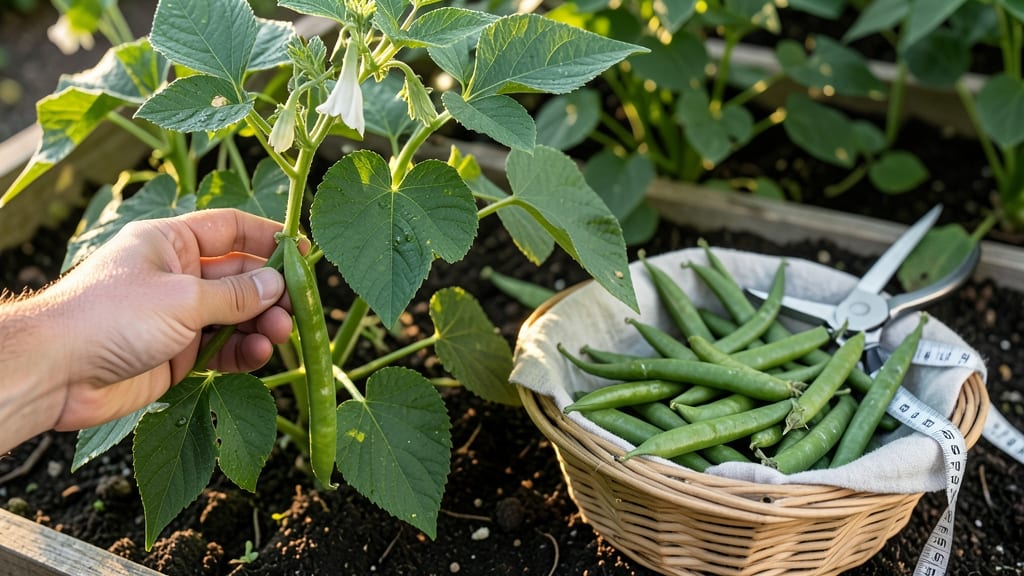
Harvesting snap beans at the right time turns your garden into a crisp, sweet treasure trove 🌱 — and missing that window means tough, stringy pods that ruin the whole batch.
You’ve sown your seeds, watched them climb, and now the pods are popping up everywhere. But how do you know when to snip? The difference between a perfect harvest and a waste of effort comes down to three simple checks: size, color, and seed visibility.
Skip these, and you’ll end up with overgrown beans that taste like cardboard.
Most varieties are ready to pick between 50 and 60 days after planting, but the calendar won’t tell you everything. Instead, focus on pods that are 4 to 6 inches long, bright green, and firm enough to snap cleanly when bent.
If the seeds inside are even slightly visible, you’ve waited too long.
Here’s the game-changer: harvesting regularly keeps your plants producing for weeks. Below, I’ll walk you through the exact visual cues, the best tools to use, and how to spot the signs of overmaturity before it’s too late.

How to identify perfect snap bean harvest time by pod appearance
Harvesting snap beans at the right moment transforms your garden into a crisp, sweet bounty—but wait too long, and you’ll end up with tough, woody pods. The key lies in three simple visual cues: pod size, color consistency, and seed visibility.
When these align, you’ve hit the perfect window, usually 50–60 days after planting for most varieties like Blue Lake or Contender. I’ve learned the hard way that even a day too late can turn your harvest into a chewy disappointment.
Start by examining the pod length. Ideal snap beans should measure between 4–6 inches—any shorter, and they’re underdeveloped; any longer, and they’ve passed their prime. Next, check the pod color: vibrant green pods signal freshness, while dull or yellowing hues mean it’s time to pick.
Finally, run your thumb along the seam—if the pod snaps easily with a slight crack, it’s ready. These tactile clues are your best friends in the garden.
⚠️ CRITICAL MISTAKE: Many gardeners wait until pods look "full-sized," but by then, the seeds have already begun bulging, making the beans stringy. I once left a batch for a week, and the once-crisp pods turned into leathery sticks—no amount of boiling could save them. The secret? Harvest every 2–3 days once pods start forming to keep production steady.
Pay special attention to the pod’s seam. When ready, the pod should crack open slightly when you gently bend it—this is your cue to harvest. I test a few pods daily by bending them near the kitchen (yes, I’m that excited!).
If they snap cleanly, I grab my basket and head to the garden. This method works for both bush beans and pole beans, though pole varieties often need checking more frequently due to their continuous growth.
Another telltale sign? The seed development. At the perfect harvest time, seeds are tiny and barely visible through the pod’s translucent skin. If you can see distinct seeds or feel them pressing against the pod when squeezed, it’s past its prime.
I once grew Roma snap beans and ignored this rule—by the time I noticed the seeds, the pods were as tough as shoe leather. Lesson learned: check seeds first if you’re unsure.
Don’t overlook the pod’s color gradient. Healthy snap beans
Snap bean harvesting schedule: days to maturity vs. seasonal adjustments
Your snap beans won’t wait forever—most varieties like Blue Lake and Roma reach peak harvest readiness between 50 and 65 days after planting. But those days shift based on your USDA zone, planting date, and even soil temperature.
In Zone 5, you might start harvesting in early July, while Zone 9 gardeners could pick as late as October. The key is knowing your last frost date and adjusting your schedule accordingly.
For example, planting Blue Lake beans in mid-April (after frost) in Zone 6 typically means harvests from late June to early September. But if you’re in Zone 10, you can stretch that window by planting every 2–3 weeks from March to August.
This staggered approach ensures a steady supply of fresh pods instead of a single overwhelming harvest.
| Variety | Days to Maturity | Best Planting Window | Harvest Window (Zone 6) | Seasonal Tip |
|---|---|---|---|---|
| Blue Lake | 50–55 days | April–May, August | Late June–Early Sept | Plant in cool weather for best flavor |
| Roma | 55–60 days | May–June | July–August | Avoid late plantings—heat reduces yield |
| Contender | 60–65 days | April–July | June–September | Tolerates heat better—ideal for late summer |
To extend your harvest season, try succession planting—sow new seeds every 2 weeks until 8 weeks before your first frost. This works especially well for Roma beans, which mature faster in cooler weather.
Pair this with row covers in early spring or late fall to protect tender plants from unexpected chills and push your harvest window even further.
Watch for pod color changes as a final cue—bright green pods mean it’s time to pick, while yellowing or brown spots signal overmaturity. In hot climates, harvest every 2–3 days to prevent pods from toughening.
If you’re in a cooler zone, a weekly check keeps your plants producing longer. The goal? Never let more than 2–3 pods mature fully on a single plant at once.
Pro tip: Mark your planting dates on a garden calendar and set reminders for harvest checks. I use a simple whiteboard by my greenhouse to track varieties and expected harvest windows.
It’s saved me from missing peak harvests more times than I can count! Consistency is the secret to a never-ending supply of crisp, sweet snap beans all season long. 🌿