
How To
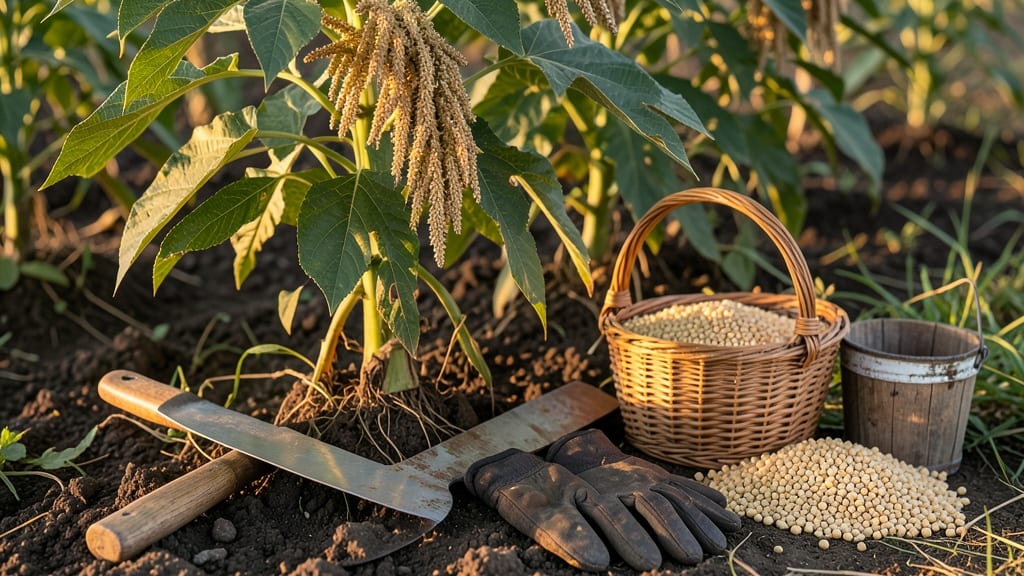
Harvesting sorghum at the right time turns starchy stalks into sweet, flavorful grain 🌾—and missing the window means tough, bland kernels.
Here’s the secret: most gardeners wait too long, watching for brown heads when the real test is seed hardness. A simple squeeze between your fingers tells you everything you need to know about flavor and texture.
In USDA Zone 6a, where sorghum thrives from April through September, timing matters even more. Too early, and the kernels are still milky; too late, and the sweetness turns to chalk. I’ll show you how to spot the perfect moment—when the plant height, seed color, and moisture all align.
By the end, you’ll know exactly when to pull those stalks for peak sweetness, how to avoid common mistakes, and even how to store your harvest for months.

How to test sorghum seed hardness for perfect harvest timing
Harvesting sorghum at the right moment ensures maximum sweetness and texture—especially for sweet sorghum varieties. The seed hardness test is your best indicator, revealing whether kernels are tender or starchy.
If you harvest too early, you’ll get milky, underdeveloped seeds with a bland taste. Wait too long, and the kernels turn tough and dry, losing their natural sweetness entirely.
This simple test takes just 30 seconds per plant and works for all sorghum types, including grain sorghum and broomcorn. The key is checking the seed’s internal moisture content—not just its color or size.
Even experienced growers sometimes misjudge because sorghum heads can look mature while seeds remain immature inside.
Here’s how to perform the test correctly, plus what to watch for at each stage:
- Milky stage (too early): Kernel feels soft like butter and leaves a white, moist residue on your fingers. Harvest in 5–7 days.
- Doughy stage (perfect): Kernel yields slightly but holds its shape, with a slightly sticky feel. Harvest today for peak sweetness.
- Hard stage (too late): Kernel feels rock-hard with no give. Seeds are starchy—harvesting now ruins flavor.
Pro tip: Test seeds in the morning when temperatures are cooler. Heat during the day can speed up starch conversion, making kernels harden faster than expected. If you’re unsure, harvest a few heads early and store them in the fridge—they’ll continue ripening slightly over 1–2 days.
Harvesting too early is a common mistake—milky seeds lack flavor and are prone to mold when stored. I once harvested a batch of sweet sorghum a week early because the heads looked mature.
The kernels were pale and watery, and even after cooking, they tasted like bland corn. The lesson? Trust the seed hardness test, not just the color.
For grain sorghum, wait until seeds are fully hard (like a dry pea) and the head rattles loudly when shaken. This ensures maximum starch content for storage or milling.
Sweet sorghum, however, should be harvested at the doughy stage—think of it like green corn but with a nutty, caramel-like sweetness.
If your climate is hot and dry (like USDA Zone 8+), sorghum may mature faster. Check seeds every 2–3 days during the last 2 weeks of growth to avoid missing the window. In cooler regions, extend your testing to 4–5 days between checks.
After harvesting, dry the heads in a well-ventilated area (like a garage or barn) for 3–5 days to prevent spoilage. For sweet sorghum, you can also strip the kernels immediately and blanch them for 30 seconds to lock in sweetness before freezing.
Mastering this test will give you consistently sweet, tender sorghum every season—no more guessing or wasted crops. Start testing 2 weeks before your expected harvest date, and you’ll never miss the perfect moment again. 🌾
Ideal sorghum plant height and growth stages by variety
Sorghum varieties grow dramatically different heights—from 3-foot sweet types perfect for popping to towering 15-foot broomcorn varieties. Understanding these height ranges and growth stages helps you avoid harvesting starchy, tough kernels instead of sweet, tender ones.
Sweet sorghum typically reaches 3–5 feet at maturity, while grain sorghum grows 5–10 feet. Broomcorn varieties can soar to 10–15 feet, making them ideal for ornamental uses but requiring more space. Each type also follows distinct growth stages from seedling to maturity.
| Variety Type | Height Range | Key Growth Stages | Harvest Ready When |
|---|---|---|---|
| Sweet Sorghum | 3–5 ft | Seedling → Tasseling → Milky Stage | Seed hardness test passes (soft but firm) |
| Grain Sorghum | 5–10 ft | Seedling → Boot Stage → Hard Dough | Seed heads turn brown, seeds rattle |
| Broomcorn | 10–15 ft | Seedling → Flowering → Seed Maturity | Seed heads fully dry, stems brittle |
Watch for the tasseling stage—when feathery seed heads emerge—as your first clue. Sweet sorghum should be harvested during the milky stage, when seeds are soft but firm to the touch. Grain sorghum waits until the hard dough stage, when seeds turn opaque and dry.
For broomcorn, harvest when seed heads are fully brown and stems snap easily. Ignoring these stages leads to starchy kernels or overly dry, brittle heads. Always test seed hardness by gently pressing—if it yields slightly, it’s ready for sweet sorghum.
Regional climates affect timing: Southern gardeners may harvest 2–4 weeks earlier than Northern growers due to longer growing seasons. Use a moisture meter (14% or lower) for grain varieties to confirm readiness.
Pro tip: Mark your calendar 90–120 days after planting for most varieties. Adjust based on your local last frost date—sweet sorghum needs warmth to develop its signature sweetness.