
How To
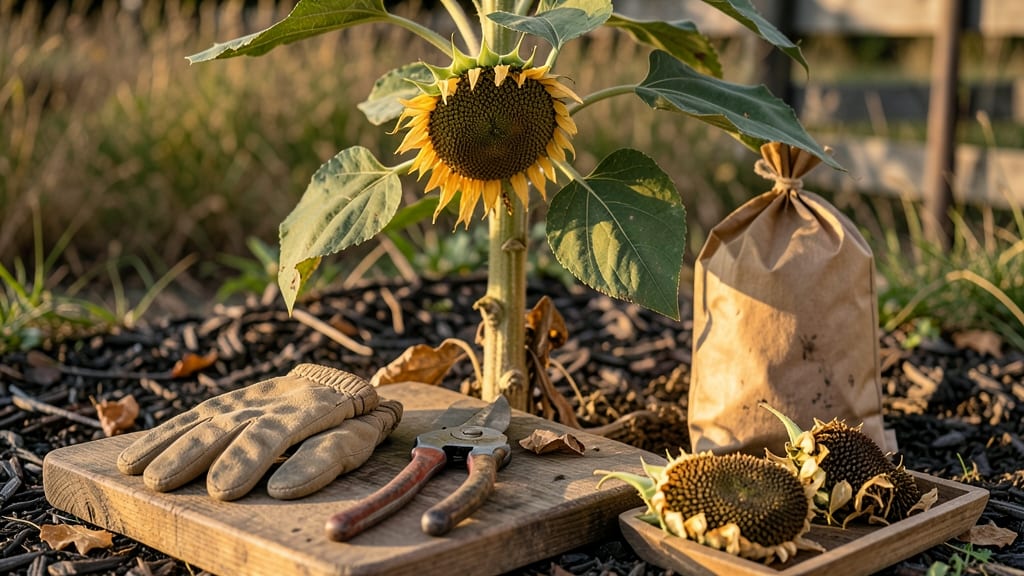
Harvesting sunflower seeds at the right time ensures you get the most flavorful, viable seeds—so knowing when to harvest sunflower seeds makes all the difference.
Picture this: you’ve nurtured your 🌻 from a tiny seedling to a towering beauty, only to wonder if those seeds are ready or still maturing. Too soon, and they won’t store well; too late, and frost or birds might beat you to them.
The key? Mastering the back-of-hand rule and watching for those subtle cues.
Sunflowers in USDA Zone 6a typically reach harvest readiness between September and October, but timing depends on your climate. If you miss the window, you risk losing your hard-earned seeds to dampness or pests.
Luckily, a few simple checks—like seed color, petal drop, and the famous "shake test"—will tell you exactly when to act.
In this guide, I’ll walk you through the foolproof signs of ripe seeds, how to dry and store them properly, and the one mistake that ruins even the best harvest. By the end, you’ll never second-guess whether your seeds are ready again.

How to use the back-of-hand rule for sunflower seed ripeness
Sunflowers are one of the most rewarding plants to grow, but knowing when to harvest sunflower seeds can be tricky. The back-of-hand rule is a simple, tactile method that experienced gardeners use to determine seed ripeness without guesswork.
This technique relies on the seed head's texture and maturity color, which change dramatically as seeds develop.
Why does this method work? As sunflower seeds mature, they transfer nutrients from the plant to the seed head, causing the backside of the head to dry out and turn brown. The back-of-hand test helps you feel this dryness—just like checking the ripeness of a fruit by touch.
If you miss this window, seeds may shatter or lose viability, so timing is everything.
Before you begin, gather a few tools: a pair of clean pruning shears, a paper bag for drying, and a sunny, dry location for post-harvest processing. The back-of-hand rule is best performed in the late morning when the seed head is fully dry from dew.
Here’s how to apply the back-of-hand rule step by step to ensure your sunflower seeds are perfectly ripe:
The back-of-hand rule works because it combines visual cues (color) with tactile feedback (texture). Overripe seeds may shatter when touched, while underripe ones feel damp and heavy. This method is especially useful for large sunflower varieties, where visual checks alone can be misleading.
Pro tip: If you’re harvesting seeds for next year’s garden, aim for complete brownness on the seed head’s back. For eating or roasting, you can harvest slightly earlier when the seeds are still firm but the head is mostly brown.
Always store dried seeds in an airtight container in a cool, dark place to maintain viability.
Timing is critical—especially in cooler climates where frost can arrive early. If your region has a first frost date before your sunflowers mature, prioritize harvesting even if the seeds aren’t fully brown. You can still dry and store them, though flavor may be slightly less rich.
Remember, practice makes perfect. The more you use the back-of-hand rule, the easier it becomes to recognize the subtle differences between ripe and unripe seeds. Happy harvesting!
Key visual and physical signs your sunflower seeds are ready to harvest
Beyond the back-of-hand test, sunflowers reveal clear visual cues that signal perfect harvest timing. The seed head color shifts from green to a deep, even brown, while the petals naturally drop—these changes mark maturity.
Paying attention to these physical transformations ensures you harvest seeds at their peak for storage or consumption.
One of the most reliable indicators is the seed head's color change. Immature seeds appear green or yellowish, while fully mature seeds develop a rich, uniform brown hue on the back.
This color shift occurs as the seeds dry out internally, making them ready for harvest. Observing this change helps avoid picking seeds too early or too late.
Another key sign is the petal drop timing. When sunflowers are ready for harvest, their petals fall off naturally, leaving the seed head exposed. This happens as the plant redirects energy toward seed maturation. If petals remain attached, the seeds likely need more time to ripen.
The seed shell hardness is another critical clue. Mature seeds develop a dry, papery texture that feels brittle to the touch. Gently pressing a seed between your fingers should reveal a hard, crisp shell—this indicates the seed is fully mature and ready for harvest.
Immature seeds, however, feel soft or moist.
| Sign | Immature Seeds | Mature Seeds |
|---|---|---|
| Seed Head Color | Green or yellowish | Deep, even brown |
| Petal Status | Attached | Fallen off |
| Seed Shell Texture | Soft, moist | Hard, papery |
| Seed Rattle Test | No sound | Seeds rattle |
For a final check, perform the shake test. Hold the seed head over a paper bag and gently shake it. If seeds rattle loudly inside, they’re ready for harvest.
This sound confirms the seeds have fully dried and detached from the seed head. If no sound occurs, wait a few more days before harvesting.
Harvesting at the right time guarantees high-quality seeds for planting or snacking. By combining these visual and physical signs, you’ll never miss the perfect moment to collect your sunflower bounty. Keep an eye out for these cues, and enjoy a successful harvest! 🌻