
How To
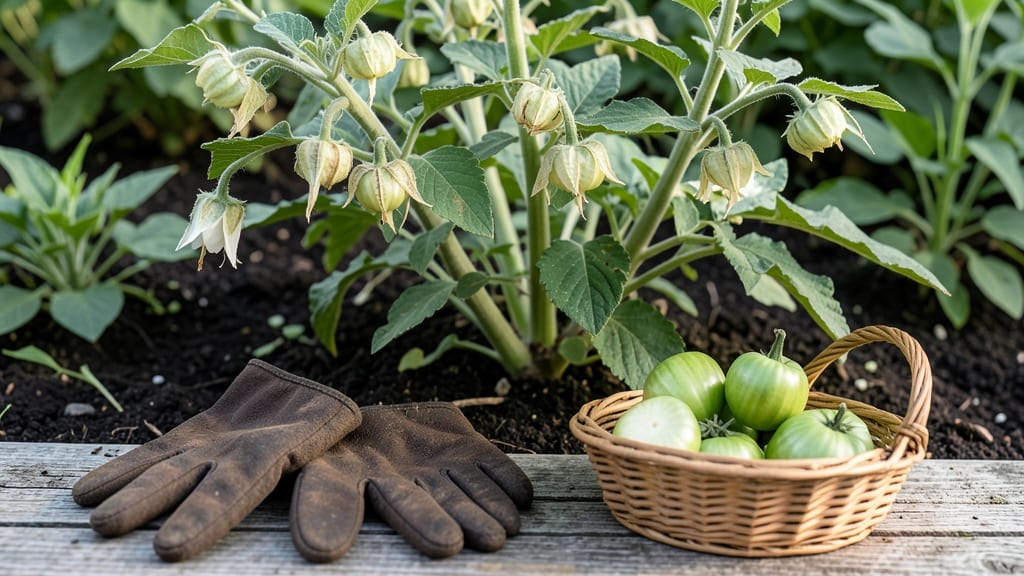
Harvesting tomatillos at the right time ensures that tangy, bright flavor you crave in salsa verde and other dishes.
Picture this: you’ve waited months for your 🫒 to ripen, only to pick them too early and end up with bland, mealy fruit that ruins your favorite recipes. The good news? There’s a simple way to tell when they’re ready—no guesswork involved.
Look for husks that turn papery brown and fruit that’s firm but gives slightly when gently squeezed. These tactile clues, along with size and color shifts, are your best friends for a perfect harvest every time.
In this guide, I’ll walk you through three hands-on tests to determine ripeness, plus how climate and variety affect timing. By the end, you’ll know exactly when to harvest for that bold, tangy flavor you love.

3 Tactile tests to determine tomatillo ripeness
Harvesting tomatillos at the right moment transforms your garden bounty into the perfect tart, tangy ingredient for salsa verde. Unlike tomatoes, these green husk-covered fruits rely on subtle physical cues rather than color alone.
The key? Three simple tactile tests that reveal when your tomatillos are primed for picking—before they lose their signature zing or turn mealy.
I’ve learned the hard way that waiting too long means sacrificing flavor, while harvesting too soon delivers bland, underdeveloped fruit. The good news?
With just your hands and a little practice, you can master these tests to ensure every tomatillo you pick delivers that bright, citrusy punch we all crave in our favorite dishes.
-
1. Size & Weight Check
Fruit should be 1-2 inches wide and feel heavy for its size—like a ripe plum. -
2. Hull Firmness Test
Gently squeeze the papery husk—it should crackle slightly and feel dry, not green or moist. -
3. Fruit Pressure Test
Press the fruit itself—it should yield slightly (like a soft tennis ball) but not feel mushy.
Start with the size and weight check, as this gives you an immediate baseline. A ripe tomatillo should feel dense and substantial in your palm—think of it like comparing a golf ball (underripe) to a softball (perfectly ripe).
If it feels light for its size, it’s not ready yet. This test works best in the morning when fruits are firmer after overnight cooling.
The hull firmness test is where many gardeners trip up. The husk should no longer feel green and moist—instead, it should be dry, papery, and slightly brown at the edges.
Run your thumb along the seam where the husk meets the stem; if it separates easily with a gentle pull, that’s another green flag. Pro tip: Avoid harvesting if the husk is still tightly wrapped or feels damp.
My favorite test is the fruit pressure test, because it reveals hidden ripeness. Gently press your thumb into the fruit—it should give slightly (like pressing a ripe avocado) but not feel mushy.
Overripe tomatillos turn soft and watery, while underripe ones feel hard and unyielding. This tactile feedback is your secret weapon for nailing the perfect harvest window.
One common mistake I see is relying solely on color. While ripe tomatillos often turn light green to yellowish-green, some varieties (like purple tomatillos) stay their hue until fully ripe.
That’s why these three tactile tests are non-negotiable—they work regardless of variety or growing conditions. Combine them with the husks turning papery brown, and you’ve got a foolproof system.
Timing matters too. In hot, dry climates, tomatillos may ripen faster—sometimes in as little as 60 days. In cooler regions, they might take up to 100 days. Check your plants every 2-3 days during peak season (July-September in most zones) to avoid missing the window.
Morning harvests are ideal because fruits are cooler and firmer, making the tactile tests more accurate.
What if your tomatillos pass all three tests but the plant still has green leaves and new flowers? That’s normal! Tomatillo plants often produce multiple flushes of fruit, and the first batch may ripen while the plant keeps growing.
Just focus on the individual fruit’s readiness, not the plant’s overall appearance. This is especially true for prolific varieties like ‘Greenstreak’ or ‘Purple de Milpa.’
Once you’ve mastered these tests, you’ll notice a dramatic difference in flavor. Perfectly ripe tomatillos deliver that bright, citrusy tang that makes salsa verde shine, while overripe ones taste mild and mealy.
Store harvested tomatillos in a paper bag in the fridge for up to 2 weeks to preserve their freshness. Now go test those tomatillos—your taste buds will thank you!
Tomatillo harvest timing by variety & climate
Your tomatillos’ harvest window shifts dramatically based on variety and climate—what’s perfect for a green tomatillo in a hot, dry zone might be too early for a purple variety in a cool, wet region.
Understanding these differences ensures you capture that signature tangy flavor at its peak, not before or after it fades.
For example, green tomatillos like 'Green Mexican' mature faster in hot climates (think Texas or Arizona), often ready in 70–80 days, while purple varieties like 'Purple Mexican' may take 85–100 days in cooler zones (like California’s coastal areas).
Even yellow tomatillos—like 'Mexican Golden'—follow their own timeline, typically 75–90 days, but their sweeter, milder flavor peaks slightly later than green types.
| Variety | Climate Zone | Days to Harvest | Harvest Window | Flavor Peak |
|---|---|---|---|---|
| Green Mexican | Hot/Dry (Zones 8–11) | 70–80 days | July–August | Bright, tart tang |
| Purple Mexican | Cool/Wet (Zones 6–9) | 85–100 days | August–September | Deep, earthy tang |
| Mexican Golden | Temperate (Zones 7–10) | 75–90 days | Late July–Early September | Sweet, mild tang |
| Any Variety | Short Season (Zones 4–5) | 90–110 days | Late August–October | Intense, concentrated tang |
In hot, dry climates, tomatillos mature faster but can overripe quickly if left on the vine past their 80–90 day mark. Watch for husks splitting open—a sure sign they’re past prime.
Meanwhile, in cool, wet regions, flavor develops more slowly, so don’t rush the harvest even if the days to maturity seem shorter on paper.
Pro tip: If you’re in a transition zone (like Zone 7), start checking for ripeness 10 days before the variety’s estimated harvest window. The first frost (usually October 15 in most areas) is your deadline—harvest 2–3 weeks before to avoid damage, even if the fruit isn’t fully ripe. You can finish ripening indoors in a paper bag with a banana (the ethylene gas speeds it up!).
Climate also affects texture. In dry heat, tomatillos tend to be firmer and crunchier, while cool, damp conditions can make them softer and mealier if harvested late. Always prioritize firmness over size—1.5–2 inch diameter is ideal, but yield to pressure (not hardness) is the real test.
One last climate quirk: humid areas (like Florida or the Pacific Northwest) can lead to fungal issues if husks stay wet. Harvest early morning when humidity is lowest, and remove husks immediately to prevent rot.
Store them in the fridge for up to 2 weeks to preserve that perfect tang.