
How To
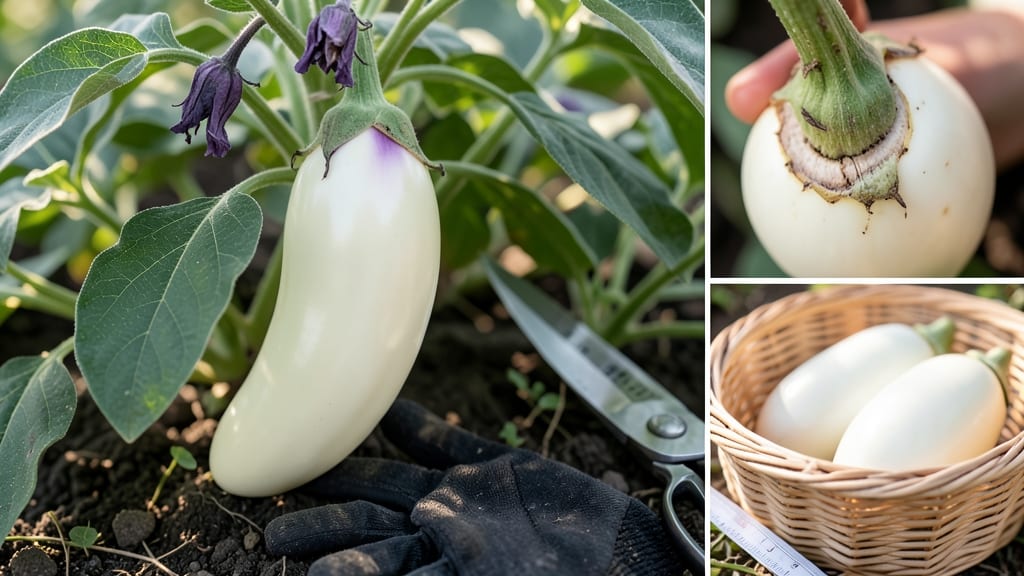
Harvesting white eggplant at the right time means firm, glossy skin and perfect flavor—miss the window, and you risk mealy flesh or bitter seeds.
Picking white eggplant at the perfect moment ensures tender, glossy skin and peak flavor—but timing is everything, and visual cues alone can trick even experienced gardeners.
Look for a mature size of 4-6 inches and a deep, consistent color. The skin should feel firm to the touch, almost like a ripe avocado, with no soft spots or dull patches.
In this guide, I’ll walk you through three tactile tests to check readiness, plus how to avoid common mistakes like harvesting too early or letting them overripen in the heat of summer.
3 Tactile tests to determine white eggplant ripeness
Harvesting white eggplant at the right time transforms your garden bounty from bland to exceptionally flavorful. Unlike purple varieties, white eggplants lack obvious color changes, making tactile checks even more critical.
I’ve learned the hard way—overripe eggplants turn bitter, while underripe ones stay tough and seedy. The secret lies in three simple touch-and-sight tests that reveal peak ripeness without guesswork.
First, let’s address the elephant in the garden: size isn’t everything. A 6-inch eggplant might still be underripe if other factors aren’t met. That’s why I rely on these three tactile methods to confirm readiness.
These tests work for both container-grown and in-ground plants, and they’re foolproof even for beginners. Grab your gloves and let’s get started!
Press gently with your thumb—ripe skin should yield slightly but not dent. Overripe skin feels mushy, while underripe skin feels hard as a rock.
Run your fingers over the skin—ripe eggplants have a satiny sheen. Dull or dry skin means it’s past its prime, while sticky or waxy skin signals underripeness.
Cut open the stem end—ripe seeds are pale yellow. Dark or hardened seeds mean it’s overripe, while green seeds indicate underripeness.
Let’s start with the skin firmness test, my go-to method because it’s instant feedback. Gently press your thumb into the eggplant’s side—think of it like testing a ripe avocado. The skin should give just enough to leave a faint thumbprint that disappears in seconds.
If you leave a dent, it’s overripe. If nothing happens, it’s not ready yet. I test this first because it’s the fastest way to eliminate obvious candidates.
Next, examine the glossy skin—this is where white eggplants shine (literally). Hold the eggplant up to the light and look for that wet-look sheen. Ripe white eggplants have a subtle shine, almost like polished marble.
If the skin looks dull or feels dry to the touch, it’s past its peak. Pro tip: Morning harvests often yield the glossiest skin because evening dew can make them appear deceptively ripe.
For the final check, you’ll need to cut open the stem end—this is where many gardeners hesitate, but it’s the most reliable test. Look at the seeds: they should be pale yellow, almost translucent. If you see any green, the eggplant needs more time.
Dark brown or black seeds? You’ve waited too long. I always carry a small knife in my harvesting basket for this exact purpose, and it’s saved me from bitter surprises in the kitchen.
Timing matters too—harvest in the morning when temperatures are cooler. This prevents the eggplants from overheating after picking, which can accelerate spoilage. I’ve found that white eggplants harvested before 10 AM stay fresher for up to a week in the fridge.
Plus, morning harvests mean you can enjoy them at their peak that same evening!
One common mistake I see is harvesting by size alone. A 6-inch eggplant might look perfect but feel rock-hard inside. Always combine the three tactile tests for accuracy. And remember: white eggplants ripen unevenly on the plant, so check them every 2-3 days during peak season.
Consistency is key—don’t let a few ripe ones fool you into thinking the whole plant is ready.
If you’re growing white eggplants in containers, these tests work the same way, but you’ll need to harvest more frequently since potted plants often ripen faster. I’ve had success with 10-gallon containers where I could pick 2-3 eggplants per week once they hit their stride.
Just be extra vigilant with the firmness test—container-grown plants can dry out faster, making them overripe quicker.
For those in hot climates, ripening happens faster, so you might need to harvest every 48 hours during peak summer months. In cooler regions, you can stretch it to 3-4 days between checks.
The key is to stay consistent with your tactile tests—your fingers will become surprisingly accurate with practice. Before you know it, you’ll be harvesting like a pro, with eggplants that are tender, glossy, and bursting with flavor.
Common harvesting mistakes and how to avoid them
Harvesting white eggplant too early or too late can ruin its delicate texture and flavor. One of the biggest mistakes is waiting for the fruit to turn completely yellow or soft—this is a sure sign of overripeness, which leads to bitter seeds and mealy flesh.
Another common error is relying solely on color. While white eggplant should be a deep, consistent white or light purple, some varieties may develop slight yellowing at the stem end—this is normal and doesn’t mean the fruit is overripe.
Timing also matters: harvesting in the early morning (between 6-8 AM) ensures the fruit is cool and crisp, while afternoon heat can make the skin softer and more prone to bruising.
🚨 Callout Warning:
Harvest white eggplant when it reaches 4-6 inches and the stem end turns brown or yellow. If you wait until the skin dulls or the stem snaps easily, the seeds will harden, causing bitterness. For best results, harvest before the fruit softens—this usually happens 75-90 days after planting.
Underripe white eggplant is just as problematic. If harvested too small (under 4 inches) or with a green stem end, the flesh will be tough and underdeveloped. Always check for firmness—press gently with your thumb; if it leaves a dent, wait a few more days.
Heat waves can also trick gardeners into harvesting too early. In hot climates (USDA Zones 8-10), eggplants may ripen faster, so monitor them daily. A quick trick is to twist the stem gently—if it snaps cleanly, the fruit is ready.
Finally, avoid storing harvested eggplant in the fridge before using it. Cold temperatures break down the cell walls, turning the flesh mushy. Keep them at room temperature (around 60-65°F) for up to 3-5 days for the best texture.