
Vegetables
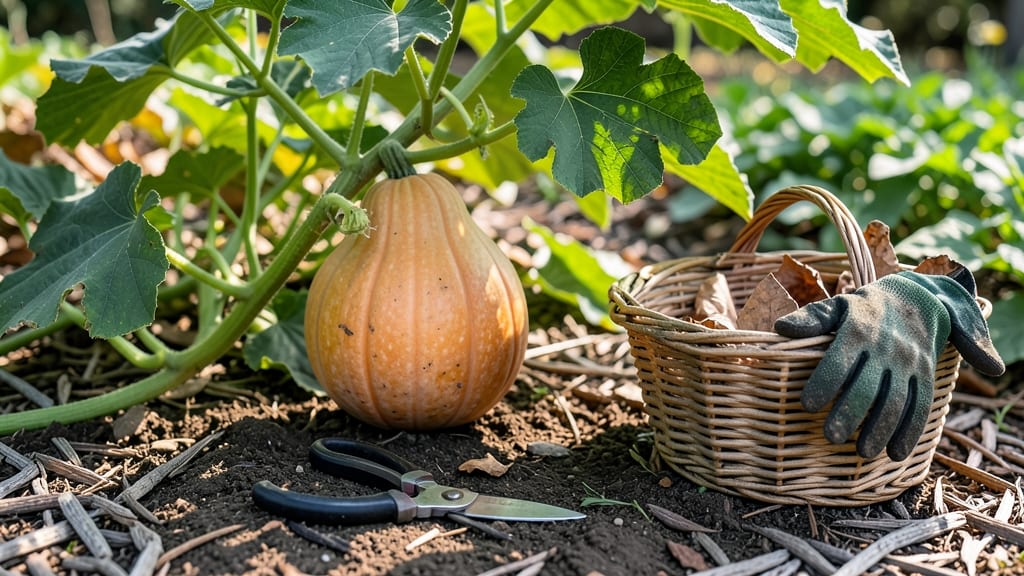
Picking acorn squash at the wrong time means missing out on that sweet, nutty flavor you’ve been waiting for—so timing is everything for a perfect harvest.
Picture this: you’ve nurtured your 🎃 plants all season, and now the moment of truth arrives. One wrong move, and you’re left with tough, watery flesh instead of the tender, flavorful squash you crave.
The good news? Knowing the exact signs of readiness—like skin hardness, color shifts, and stem changes—can turn a guess into a foolproof harvest.
In USDA Zone 6a, where first frost hits around mid-October, you’ll want to act fast once your squash shows those telltale ripeness cues. But even if you’re in a warmer zone, waiting too long can ruin the flavor, while picking too early leaves you with underdeveloped fruit.
Below, I’ll walk you through the hardness test, color clues, and stem tricks that guarantee you harvest at peak flavor—plus how to store them so they last through winter.
How to test acorn squash ripeness using hardness, color, and stem checks
Acorn squash reaches peak flavor when harvested at the right moment—too early, and the flesh stays tough; too late, and it becomes stringy. The key lies in three simple physical tests: skin hardness, color changes, and stem separation.
Mastering these will ensure you enjoy that signature sweet, nutty taste every time.
First, focus on the skin hardness test, the most reliable indicator. A ripe acorn squash should feel firm to the touch, almost like a hardball.
Press your fingernail into the skin—if it doesn’t puncture easily, it’s ready. This test works because the squash’s natural sugars concentrate as it matures, thickening the rind.
Next, check the color transformation. When fully ripe, acorn squash shifts from a pale green to a deep, matte tan or orange hue, depending on the variety. Avoid harvesting if the skin still looks bright green or patchy—this means it needs more time on the vine.
Don’t overlook the stem check, a critical sign of maturity. The stem should dry out and shrink slightly, pulling away from the squash’s neck. If it’s still green and plump, the fruit isn’t ready. A dried stem indicates the squash has stopped growing and is at its sweetest.
| Ripeness Indicator | What to Look For | Action |
|---|---|---|
| Skin Hardness | Firm, resists fingernail pressure | Harvest when skin feels like a hardball |
| Color Change | Deep tan or orange, no green patches | Avoid if still bright green |
| Stem Condition | Dried, shriveled, pulls away | Ready when stem detaches easily |
| Weight Test | Feels heavy for its size | Lift squash—ripe ones are dense |
| Size | 4-8 inches in diameter | Stop growing at mature size |
🎃 Pro Tip: Combine all 5 tests for foolproof results!
For an extra layer of confidence, try the weight test. A ripe acorn squash feels heavy for its size—almost like it’s too dense to lift easily. This happens because the seeds and flesh fully develop, increasing density. If it feels light, it’s not ready yet.
Timing matters too. Most acorn squash varieties mature in 80-110 days after transplanting, but color and stem checks override calendar dates. If you’re in a warmer climate, like USDA Zone 9, harvest earlier to avoid heat stress.
In cooler zones (like Zone 5), aim to pick before the first frost, which can damage the skin.
One common mistake? Harvesting based on size alone. While acorn squash typically grow 4-8 inches wide, some varieties (like ‘Table Queen’) stay smaller. Always pair size with the hardness and color tests to avoid underripe squash.
After harvesting, cure your squash for 7-10 days in a warm, dry place (like a garage) to enhance flavor. This step develops sugars and toughens the skin for longer storage. Skip curing, and you’ll miss out on that rich, caramel-like sweetness!
If you’re still unsure, cut open a test squash—ripe flesh should be bright orange, firm, and seed-filled. Avoid harvesting if the seeds are small and underdeveloped, as this means the squash needs more time.
Now you’re ready to harvest like a pro! With these five simple checks, you’ll never again pick acorn squash too early or too late. Happy harvesting—and enjoy that perfect, sweet flavor all season long! 🎃
Best time of year to harvest acorn squash by climate Zone
Timing your acorn squash harvest depends entirely on your USDA climate zone and local frost dates. In Zone 3, where first frost arrives as early as mid-September, you’ll need to harvest by late August to avoid damage.
Meanwhile, gardeners in Zone 10 can enjoy a longer window—November through January—thanks to milder winters. The key is to act before the first frost, but not so early that the squash hasn’t fully matured.
Most acorn squash varieties take 80-110 days to reach harvest readiness, so if you planted seeds in late spring, you’ll likely harvest in late September or October in most zones.
Early varieties like ‘Table Queen’ mature faster (80-90 days), while late varieties such as ‘Autumn Ale’ may need 100+ days. Adjust your planting schedule if you’re in a cooler zone to ensure you don’t miss the window.
- Zone 3-5: Harvest late August to mid-September—first frost hits mid-September to early October. Use row covers to extend the season if needed.
- Zone 6-8: Aim for mid-September to early October, before first frost (mid-October). Early varieties can be picked by late August in cooler microclimates.
- Zone 9-10: Harvest October through December. Mild winters allow for winter storage—squash can stay fresh until January or February.
🌡️ Pro Tip: Check your local first frost date and count backward from 90 days to plan your harvest window.
If you’re growing heirloom or late-maturing varieties, consider using black plastic mulch or straw bales to insulate squash from early frosts. In zones 3-5, I’ve had success harvesting early and curing squash indoors under grow lights to extend their shelf life.
Always prioritize skin hardness over frost dates—if the squash feels firm and the stem is dry, it’s ready, even if frost is looming.
For gardeners in Zone 10, the challenge shifts to heat stress rather than frost. Harvest before summer temperatures drop below 60°F at night, as this signals the plant’s natural decline.
In these warmer climates, acorn squash can sometimes overripe on the vine, so monitor for soft spots or rot and pick promptly once mature.
One mistake I see often is waiting too long for perfect color while ignoring other ripeness cues. A squash might look deep orange or tan but still be soft to the touch—a sign it’s overripe.
Balance color, hardness, and stem dryness for the best results, regardless of your zone. Store harvested squash in a cool, dark place (50-55°F) to preserve flavor for 2-3 months.
Remember, acorn squash is non-climacteric, meaning it won’t ripen further after picking. Harvest at the right moment, and you’ll reward yourself with sweet, dense flesh that’s perfect for roasting, stuffing, or baking.
Miss the window, and you’ll be left with watery, seedy disappointment—so mark those frost dates and watch your squash closely! 🎃