
Vegetables
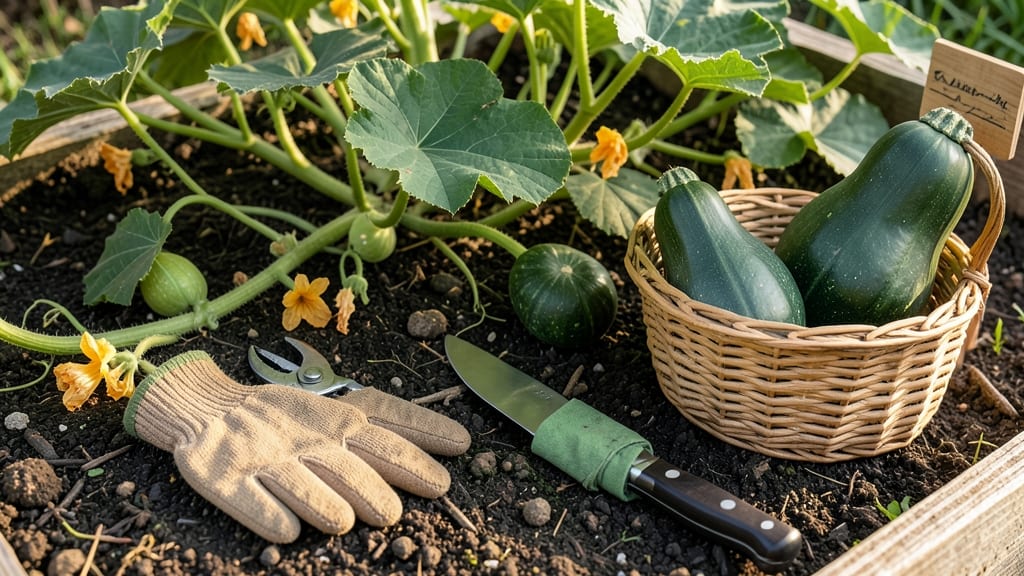
To pick acorn squash 🎃 off the vine at the perfect time, watch for skin that hardens and dulls to tan or orange—this is when flavor peaks and texture improves.
Harvesting acorn squash at the perfect moment means the difference between a bland, fibrous meal and a sweet, flavorful feast—so how do you know when they’re truly ready?
Most gardeners miss the window by checking size alone, but the real cues are in the skin’s texture and the stem’s readiness to separate. A simple tap test or vine inspection can save you from picking too early or too late.
Below, I’ll show you four non-destructive tests to nail the harvest timing, plus when to avoid picking due to frost risks or flavor loss.
4 Non-destructive ways to test acorn squash ripeness before picking
Knowing exactly when to pick acorn squash off the vine can feel tricky, but these non-destructive tests let you check ripeness without damaging the fruit. The key is observing subtle changes in color, texture, and even sound—all signs your squash is ready for harvest.
I’ve used these same methods in my garden for years, and they’ve never failed me. The best part? You won’t need any special tools, just your senses and a little patience.
Acorn squash typically matures between 90-110 days after planting, but environmental factors like temperature and sunlight can shift that timeline. That’s why relying on visual and tactile cues is smarter than guessing by days.
Once you master these tests, you’ll consistently harvest squash at peak sweetness—no more bland, underripe fruit or mushy overripe surprises. Let’s dive into the four foolproof ways to test ripeness.
4 Non-Destructive Ripeness Tests for Acorn Squash
Start with the skin color test—it’s the easiest to spot from a distance. A dull, matte finish is your first green light.
I always check this first thing in the morning when the light is softest, as shadows can trick you into thinking the squash is riper than it is. Pro tip: Compare your squash to a ripe butternut squash for reference—they share similar maturity cues.
The stem separation test is my favorite because it’s so reliable. I’ve seen squash that looked perfect by color but failed this test, only to ripen beautifully a few days later.
If the stem pulls off easily, that’s your sign to harvest within 24 hours. If it resists, leave it be—overripe squash won’t improve once picked.
Don’t underestimate the tapping test—it’s a trick I learned from an old-school farmer. Hold the squash gently and tap it with your knuckles. A ripe acorn squash will sound like a drum, with a clear, resonant echo.
If it sounds flat or muffled, it’s not ready. This method works especially well for squash buried in foliage where color changes are hard to see.
Finally, keep an eye on the vine and leaves. When the plant starts shutting down—yellowing leaves and wilting vines—it’s sending all its energy to the squash. This is your final confirmation that harvest time is near.
I’ve had years where the vines dried up early due to drought, and the squash still ripened perfectly. Nature has a way of compensating!
Once you’ve confirmed ripeness with all four tests, harvest your acorn squash using a sharp knife or pruners. Leave a 1-inch stem attached to prevent rot during storage. Store them in a cool, dry place—like a basement or garage—where temperatures stay between 50-55°F.
With proper care, they’ll keep for months, giving you homegrown flavor long after the growing season ends.
If you’re still unsure, pick one squash as a test and cut it open. The seeds should be fully formed, and the flesh should be deep orange with a firm but tender texture.
Use this as your benchmark for future harvests. Over time, you’ll develop an instinct for when acorn squash is at its peak—no tests required!
Remember, every garden is unique, so adjust these tests based on your climate and growing conditions. In hotter regions, squash may ripen faster, while cooler areas might need extra time. The more you practice, the more intuitive the process becomes. Happy harvesting!
Best time of year and day to harvest acorn squash for maximum flavor
Timing your acorn squash harvest is everything—picking too early means tough, bland flesh, while waiting too long risks frost damage or overripe texture.
The ideal harvest window falls between late September and early October in most USDA zones, but your exact timing depends on your local frost dates and growing conditions.
For peak flavor, aim to harvest acorn squash 1-2 weeks before the first frost, when temperatures stay above 50°F (10°C) during the day. In warmer climates (zones 8-10), you can extend harvesting into November, but always prioritize firm, unblemished squash over calendar dates.
Morning harvests are ideal because cooler temperatures preserve the squash's natural sugars and reduce stress on the plant. If you must harvest later in the day, do so before 4 PM to avoid heat shock, which can cause premature skin softening.
If you're growing acorn squash in containers or black plastic mulch, they may ripen 1-2 weeks earlier than traditional in-ground plantings. Always check for hard rinds and dried stems—these cues matter more than the calendar.
For late-season harvests, prioritize squash that show no frost damage and store them in a cool, dark place (50-55°F) to extend shelf life.
Pro tip: Use a harvest knife to cut squash from the vine, leaving a 1-inch stem stub. This prevents rot and makes storage easier. After harvesting, let squash cure in sunlight for 3-5 days to develop full flavor before storing.
Remember, acorn squash won’t ripen further after picking—so harvest at the right moment for the best taste! Store properly, and you’ll enjoy sweet, flavorful squash well into winter.