
Picking
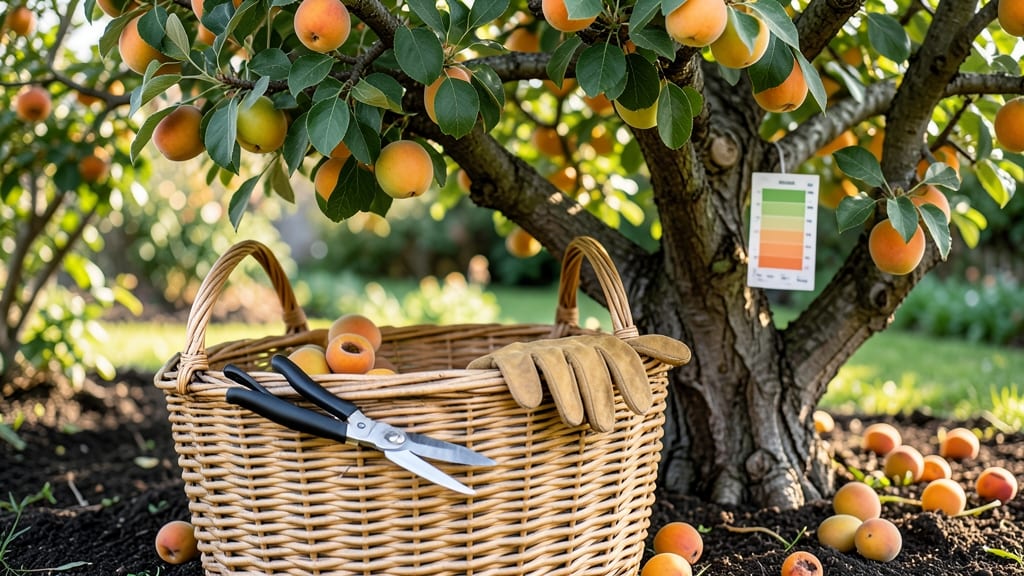
Picking apricots at the right time means the difference between a meal of bland, mealy fruit and a burst of sweet, juicy perfection 🍑—and the secret lies in knowing exactly when to pluck them.
Picture this: you’ve waited all season for your apricot tree to bear fruit, only to pick them too early and end up with underripe, tart apricots that barely resemble the flavor you imagined. Or worse, you miss the window and end up with overripe fruit that’s more mush than snack.
The good news? With a few simple checks—color, stem flexibility, and even the seeds—you can nail the perfect harvest every time.
In this guide, I’ll walk you through the foolproof signs that your apricots are ready to pick, including how to test for ripeness without damaging the fruit.
You’ll also learn how climate and season affect the best picking window, so you can adjust your strategy whether you’re in a warm coastal zone or a cooler inland area.
By the end, you’ll not only know when to pick apricots but also how to store them for maximum freshness or turn them into jams, preserves, or desserts before they spoil. Let’s get started!

How to check apricot ripeness by color, stem flex, and seed maturity
Harvesting apricots at the perfect moment means the difference between a mealy, bland fruit and a bursting sweetness that makes jam or fresh eating unforgettable. As someone who's spent years perfecting my home apricot orchard, I can tell you: color alone isn't enough.
You need to check three key indicators—skin color, stem flexibility, and seed maturity—to nail that sweet spot.
Start with the visual cues that most gardeners notice first. Apricots begin as bright green but gradually shift to golden yellow with soft orange blushes. These color changes signal the fruit is maturing—but don't stop there.
The skin should yield slightly when you press gently with your thumb. If it feels rock-hard, it's not ready; if it's mushy, you've waited too long.
| Ripeness Indicator | Ready for Harvest | Not Ready | Overripe |
|---|---|---|---|
| Skin Color | Golden yellow with orange blush | Mostly green | Dark orange or brown spots |
| Stem Flex | Twists easily with slight resistance | Stays firmly attached | Drops off with no resistance |
| Seed Maturity | Seeds soften slightly in center | Seeds hard and dry | Seeds mushy or fermented |
| Fruit Firmness | Firm but yields slightly | Hard and unyielding | Soft and squishy |
| Aroma | Sweet, fragrant scent | Neutral or slight sweetness | Fermented or sour smell |
The stem flex test is my secret weapon for perfect timing. Gently grasp the apricot and twist it while pulling away from the tree. At peak ripeness, the stem should snap cleanly with just a little resistance—like twisting off a lightbulb.
If the fruit resists, it's not ready; if it falls off with no effort, it's overripe. This test tells you more about internal ripeness than color ever could.
Don't overlook the seed maturity, which reveals what's happening inside the fruit. Cut open a candidate apricot and check the seeds. At the perfect moment, they'll be soft but not mushy, with a slight give when pressed.
If the seeds are still hard and dry, the fruit needs more time on the tree. If they're dark and mushy, you've missed your window—those apricots will be mealy and lack flavor.
One trick I learned from a California apricot grower is to harvest in the early morning when temperatures are coolest. This preserves the fruit's natural sugars and prevents overripening during the day.
Store your freshly picked apricots in the fridge for up to a week, or use them immediately for preserves, fresh eating, or baking while they're at their peak.
Regional variations matter too. In warmer climates like California or Arizona, apricots ripen as early as June, while in cooler zones like USDA Zone 5, you might not see ripe fruit until late August.
Pay attention to your local frost dates—if a late frost is forecast, harvest early to avoid damage.
For container-grown apricot trees, ripening can happen 1-2 weeks earlier than in-ground trees because of heat absorption from pots. Monitor these trees daily during peak season, as their smaller root systems can't regulate temperature as well.
If you're unsure, it's better to under-harvest and check again in a few days than risk picking too late.
Remember, every apricot tree has its own unique ripening rhythm. Keep a garden journal to track when your specific varieties reach peak ripeness. Over time, you'll develop an instinct for when to pick—though I still rely on the three-step check every season to avoid mistakes.
With practice, you'll be harvesting apricots that taste like summer sunshine in every bite. 🍑
Best time of day and season to harvest apricots for maximum flavor
Timing your apricot harvest isn’t just about waiting until they turn color—it’s about catching them at the sweetest, juiciest peak when their natural sugars are fully developed. The best time of day to pick apricots is early morning, right after the dew has evaporated but before the sun intensifies.
This ensures the fruit is cool, firm, and hasn’t softened from afternoon heat.
Seasonally, apricots typically ripen between late July and early September, but this varies dramatically by climate zone.
In warmer regions like USDA Zones 8-10, apricots may start ripening as early as June, while cooler zones like Zones 5-7 might see harvests stretching into September or October.
Understanding your local frost dates is key—apricots won’t ripen well after a light frost, so plan your harvest before temperatures drop.
🌱 Numbered Highlights: Optimal Apricot Harvesting Windows
- 🌞 Morning Harvest: Pick between 7-9 AM for coolest, firmest fruit with peak flavor.
- 🌡️ Temperature Check: Ideal picking temps are 60-75°F (15-24°C)—avoid heatwaves that soften fruit.
- 📅 Seasonal Zones:
- Zones 8-10: June-July
- Zones 6-7: July-August
- Zones 5: August-September
- 🌬️ Weather Window: Harvest on dry, calm days to prevent bruising or cracking.
- 🍑 Post-Harvest Tip: Store apricots at 32-40°F (0-4°C) for up to 2 weeks to preserve sweetness.
Temperature plays a surprisingly large role in apricot ripening. Fruits exposed to consistent daytime highs of 85-90°F (29-32°C) develop sweeter flavors faster, but they also ripen more quickly. If your summer is scorching, you might need to harvest every 2-3 days to avoid missing the window.
Conversely, cooler summers slow ripening—so don’t rush to pick just because the fruit is colored.
One pro tip I’ve learned from years of gardening: Watch the seeds. Fully ripe apricots will have soft, brown seeds that separate easily when the fruit is cut open. If the seeds are still hard and white, the fruit needs more time on the tree.
This seed test is my foolproof backup when color and stem tests are borderline.
Regional variations can’t be overstated. In coastal climates, apricots may ripen earlier due to milder nights, while inland areas often see delayed harvests because of cooler daytime temps.
Pay attention to your tree’s specific variety too—some, like ‘Blush’ apricots, ripen earlier than ‘Tilton’, which holds on the tree longer. Always check your seed packet or nursery notes for variety-specific guidance.
Finally, never underestimate the power of consistent harvesting. Picking apricots regularly—even if not all are fully ripe—encourages the tree to produce more fruit. Overripe apricots left on the tree can attract pests or split in heavy rain, ruining your entire crop.
When in doubt, pick a few test apricots, taste them, and adjust your schedule accordingly. Your future jam-making (or snacking) self will thank you! 🍯