
Picking
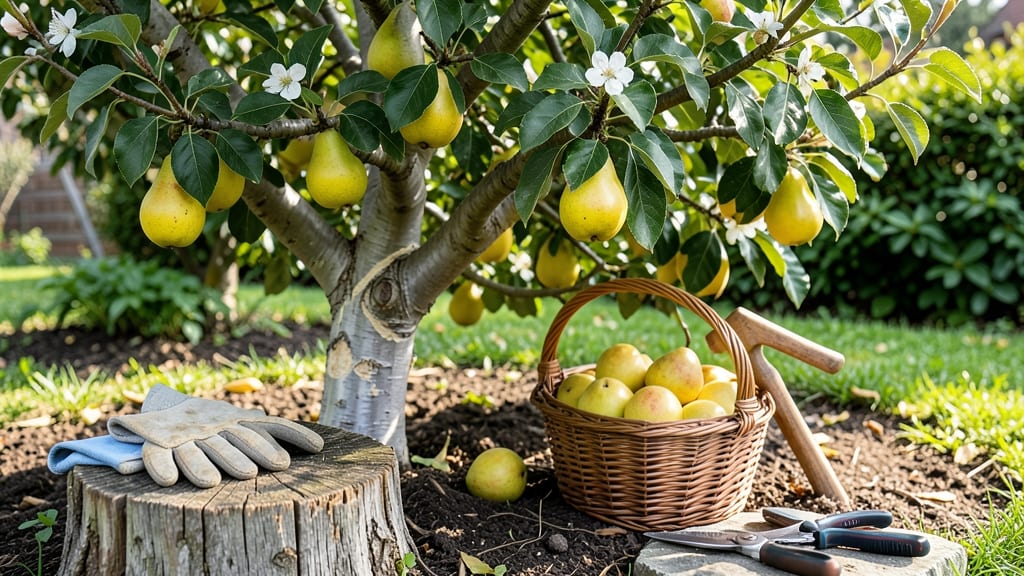
Picking Bartlett pears at the right time turns a simple harvest into a flavor explosion—golden, juicy fruit that tastes like summer in every bite.
But here’s the catch: wait too long, and you’ll end up with mushy pulp; pick too early, and you’ll miss that perfect balance of sweetness and crunch. The secret? A flex test that reveals ripeness before your eyes, plus a few other dead giveaways that’ll save you from overripe disappointments.
Whether you’re in USDA Zone 6a or further south, timing matters—especially when late-summer heat races against the first frost.
Below, I’ll walk you through the exact cues to watch for, how to handle your harvest once it’s off the tree, and why some pears taste like candy while others taste like disappointment.
Ready to turn your Bartlett pear tree into the star of your kitchen? Let’s get started.

How to test Bartlett pear ripeness using the flex test
There’s nothing worse than biting into a Bartlett pear that’s either hard as a rock or mushy and mealy—both mean you missed the sweet spot. The flex test is your golden ticket to perfect pears every time.
This simple trick lets you know when fruit is ready to pick, even if the calendar says it’s not quite time. Think of it as nature’s built-in ripeness alarm.
But here’s the catch: the flex test isn’t just about bending the stem. You also need to check for color changes, scent cues, and even how the fruit feels when you press it.
Combine these methods, and you’ll never second-guess your harvest again. Let’s break it down step by step so you can pull those pears at their peak.
Step-by-Step Flex Test for Bartlett Pears
-
Step 1: Locate the Stem
Gently grasp the stem where it meets the pear. Avoid squeezing the fruit itself—this can bruise it. -
Step 2: Apply Gentle Pressure
With your thumb and forefinger, press the stem away from the fruit. A ripe Bartlett pear’s stem will bend slightly but won’t snap. -
Step 3: Watch for the Twist Test
Give the stem a quarter-turn twist. If it detaches cleanly from the branch, the pear is ready to pick. If it resists, wait 2-3 days. -
Step 4: Check for Color Shift
Look for a golden-yellow hue with a rosy blush. Green patches mean it’s not ready—even if the stem flexes. -
Step 5: Press the Fruit
Gently press the pear’s blossom end. It should yield slightly (like a ripe avocado) but not feel mushy. -
Step 6: Sniff for Sweetness
Hold the pear to your nose. A ripe Bartlett will emit a sweet, floral aroma. No scent? It’s not ready.
The flex test is foolproof, but even experienced growers make mistakes. One common error? Assuming all pears ripen at once. Bartlett trees often produce fruit in waves—check multiple branches.
Another pitfall? Overlooking color cues in cloudy weather. If the sky’s gray, the pear’s blush might look duller than it is.
Pro tip: If you’re unsure, pick a few pears and let them ripen on your counter. Bartletts continue to soften after harvest, so even if one test seems off, you can still salvage the crop.
Just avoid storing them in the fridge until they’re fully ripe—cold temperatures halt their natural sweetening process.
For fresh eating, aim for pears that pass all three tests: the flex, the color, and the gentle pressure. These will be juicy and sweet right off the tree. If you’re planning to store them, harvest them slightly firmer—they’ll soften as they ripen at room temperature.
Remember, Bartlett pears are climate-sensitive. In hotter zones, they may ripen faster, while cooler areas might need extra weeks. Always adjust your timing based on local weather patterns. A quick check of your frost dates can help you plan ahead—you don’t want a late frost ruining your harvest!
Once you’ve mastered the flex test, you’ll never second-guess your Bartlett pear harvest again. The key is patience and attention to detail. And trust me, that first bite of perfectly ripe fruit? It’s worth every minute of waiting.
Now grab your pruners, head to the tree, and let’s turn those pears from green to golden in no time.
Best time of year to harvest Bartlett pears by climate Zone
Timing your Bartlett pear harvest is all about reading your local climate while watching for those telltale ripeness cues we covered earlier. In USDA Zones 5-10, harvest windows shift dramatically—sometimes by weeks—based on temperature patterns.
A hot summer can rush ripening, while a cool spring might delay it. The key is balancing frost dates with fruit maturity to avoid losing your crop to early cold snaps.
Most Bartlett pears reach harvest readiness between late August and mid-October, but your exact window depends on where you live. Northern gardeners in Zones 5-6 often harvest in September, while Southern growers in Zones 9-10 might extend into November.
Temperature fluctuations play a huge role—daytime heat speeds up ripening, while cool nights can slow it down. Even a single unseasonably warm week can push pears to maturity faster than expected.
Here’s where things get tricky: Bartletts are climate-sensitive varieties that respond to seasonal cues. In Zone 7, for example, you might see pears ripen by mid-September after a warm summer, but a wet spring could push harvest back to early October.
The same tree in Zone 9 might produce fruit ready by late October—sometimes even stretching into November. Always check your local frost dates and adjust your harvest timeline accordingly.
If you’re in Zone 5 or 6, time your harvest carefully—early September frosts can catch pears that aren’t quite ready. I’ve seen entire crops lost when gardeners waited too long, only to wake up to frost-damaged fruit still clinging to branches.
In these northern climates, prioritize pears showing the most color change and stem flexibility first. For Zones 7-8, you’ve got a bit more wiggle room, but don’t let pears overripe on the tree—mature Bartletts can become mealy and unappetizing if left hanging past their prime.
Southern growers in Zones 9-10 often enjoy a second harvest wave if temperatures stay mild. I’ve had Bartlett trees in Zone 10 produce fruit ready by late October that continued ripening beautifully indoors. The trick?
Harvest when most pears pass the flex test, then let them finish ripening on your counter. This extends your harvest window significantly while maintaining peak flavor. Just beware of humidity-related rot—Southern pears often need more careful handling after harvest.
Pro tip: Keep a harvest journal to track your Bartlett tree’s ripening patterns year after year. Note when pears first show color, when they pass the flex test, and when your local frost typically arrives. Over time, you’ll develop an instinct for your tree’s unique rhythm.
And remember—temperature fluctuations are your greatest ally or enemy. A sudden cold snap can stall ripening, while a heatwave might push pears to maturity in record time. Stay flexible, and your Bartlett harvest will always be picture-perfect.