
Vegetables
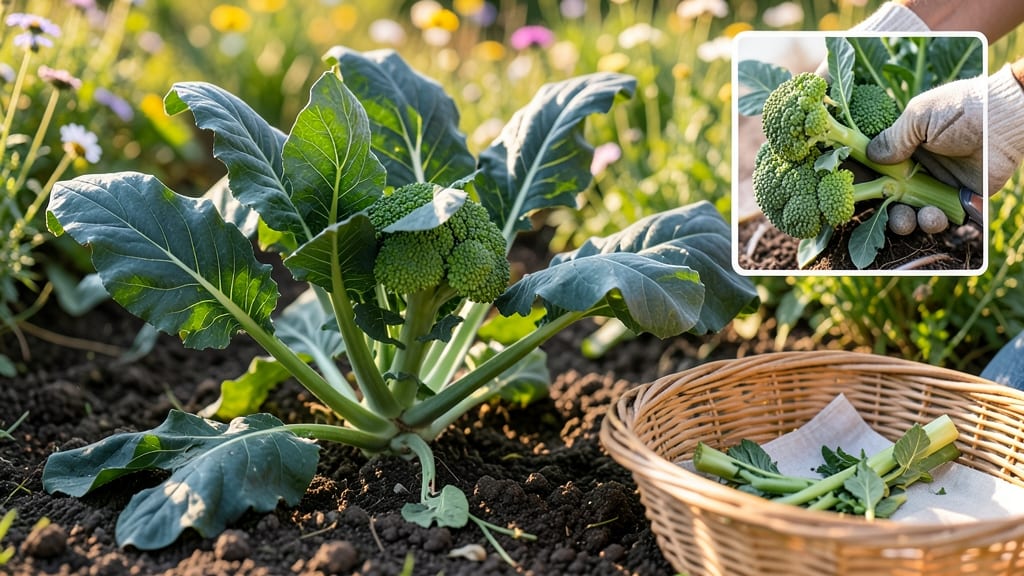
Picking broccoli rabe at the right time ensures tender, flavorful greens 🥬—wait too long, and you’ll end up with tough, bitter stalks that even the best recipes can’t save.
Harvesting broccoli rabe at the wrong time can turn your flavorful green harvest into bitter, tough stalks—so knowing the exact moment to pick is critical for garden success.
Look for 6- to 12-inch stems with tightly packed buds and vibrant green leaves. If the central stem thickens too much or the leaves start yellowing, you’ve missed the window.
Below, I’ll walk you through three visual cues to nail the perfect harvest, plus how to salvage greens if your plants bolt before you’re ready.

3 Visual cues to identify perfectly timed broccoli rabe harvest
Broccoli rabe (or rapini) rewards patience—harvest too early, and you’ll miss its signature peppery bite; too late, and you’re left with tough, fibrous stalks. The key lies in recognizing three visual cues that signal peak harvest readiness.
These signs ensure you enjoy the tenderest texture and brightest flavor before the plant bolts and becomes bitter.
I’ve grown broccoli rabe for years, and I can’t stress enough how critical these cues are. Missing them by even a few days can turn your harvest from delicious to disappointing. Let’s break down what to look for in your garden to guarantee a perfect pick.
Bud Tightness
Look for compact florets that haven’t yet started to open. When buds are tightly clustered, they’re at their most tender—like a tightly coiled spring ready to burst with flavor.
Leaf Color
Vibrant dark green leaves mean your broccoli rabe is ready. If leaves start turning yellow or pale, the plant is either stressed or past its prime—time to harvest or risk bitterness.
Stalk Thickness
The central stem should be firm but not woody. If it feels thick and fibrous, the plant is overmature. Aim for stalks that are pencil-sized or slightly thicker—they’ll snap easily when bent.
When I first started growing broccoli rabe, I ignored these cues and ended up with a harvest that was more suitable for compost than the kitchen.
The bud tightness is the most critical—once those florets start opening, the plant is on its way to bolting, and the flavor shifts from peppery to bitter.
Pay attention to the leaf color too. Healthy broccoli rabe leaves should be a rich, deep green. If they’re turning yellow or wilted, it’s a sign the plant is stressed, often due to heat or drought.
This stress triggers bolting, and once that happens, the plant’s focus shifts from producing tender greens to flowering.
Don’t overlook the stalk thickness. A thick, woody stem means the plant has put all its energy into growing rather than staying tender.
I’ve learned the hard way that if the stalk feels hard to the touch, it’s time to harvest immediately—or risk ending up with a harvest that’s tough enough to chew on like a tree branch.
Pro tip: Harvest in the morning when temperatures are cooler. This ensures the greens are at their crispest and most flavorful. If you’re unsure whether your broccoli rabe is ready, check the stem flexibility. A ready-to-harvest stalk should bend slightly but not snap—this indicates the perfect balance of tenderness.
Once you’ve mastered these three visual cues, you’ll never miss a harvest again. The difference between a perfect pick and a disappointing one comes down to timing, and these signs are your garden’s way of telling you when to act.
Trust them, and you’ll enjoy broccoli rabe that’s as delicious as it is satisfying to grow.
Now that you know what to look for, you’re ready to transform your garden into a flavor factory. Just remember: the sooner you harvest after spotting these cues, the better your broccoli rabe will taste. Happy harvesting! 🥬
How bolting affects broccoli rabe flavor and what to do next
When broccoli rabe bolts, it sends up a flowering stalk that completely alters its texture and taste. The once-tender stalks become woody and bitter, while the leaves turn tough and stringy.
This happens when your plant senses heat stress or long days, typically in late spring or early summer.
Bolting is especially common in hot climates or when you plant too early in warm-season soil. The flavor shift is dramatic—what was once nutty and slightly peppery becomes harsh and unpleasant. Even cooking can't fully mask the bitterness that develops.
If your broccoli rabe bolts before you're ready, don't toss the whole plant. The lower leaves can still be harvested for cooking greens, though they'll be less tender. The flower buds can also be eaten like broccoli florets, though they'll be smaller and less flavorful.
⚠️ callout warning
Harvest before the plant bolts by watching for these signs:
- Stalks reach 6-12 inches tall
- Leaves remain vibrant green and crisp
- Central stem is thick but not woody
Once you see yellowing leaves or a tall flowering stalk, the plant has bolted. At this point, focus on harvesting leaves for soups or flower buds for stir-fries.
To prevent bolting, choose cool-season varieties and plant in early spring or fall. Use shade cloth during hot afternoons if growing in summer. For container gardening, select compact varieties that bolt more slowly.
If you miss the window, you can still harvest the leaves by cutting them 1-2 inches from the base. These can be used in pasta dishes or salads, though they'll be less tender than peak-season greens. The flower stalks can be blanched and eaten like asparagus.
For next season, try succession planting every 2-3 weeks to ensure a steady supply of tender broccoli rabe before bolting takes over. This way, you'll always have fresh, flavorful greens ready to harvest! 🌱