
How To
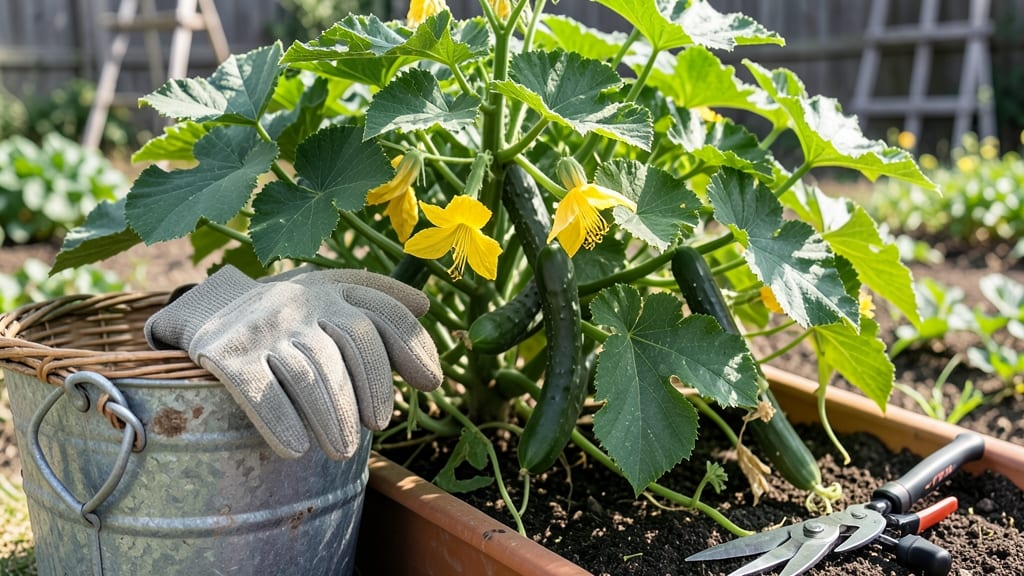
To pick bush cucumbers 🥒 at their sweetest, watch for a 4–6 inch length with a telltale seed rattle and firm skin that yields just slightly when pressed.
Miss this window, and you’ll end up with either bitter, underripe cucumbers or overripe ones that turn mealy and lose their crispness. The difference between a stellar harvest and a sad one often comes down to knowing exactly when to twist that fruit from the vine.
Beyond size and texture, vine behavior is your secret weapon—dropping flowers or slowing fruit production signals it’s time to pick more frequently. Cooler climates like USDA Zone 6a may need a slightly earlier harvest, while warmer regions can stretch the season a bit longer.
Here’s how to read those clues, adjust your picking schedule, and store your harvest so every cucumber stays fresh and flavorful for days.

How to identify perfectly ripe bush cucumbers using seed rattle and size clues
Nothing beats the satisfaction of biting into a bush cucumber at its peak—crisp, sweet, and bursting with flavor. But knowing when to pick bush cucumbers can be tricky, especially for first-time growers.
The secret lies in three key indicators: seed rattle, size, and skin texture. Master these, and you’ll avoid the bitter disappointment of overripe or underripe cucumbers every time.
Start by listening for the seed rattle, a telltale sign that seeds inside are fully developed. This sound—like tiny marbles shifting—means the cucumber is nearing its sweetest stage.
Combine this with size checks (4–6 inches for most varieties) and a firm yet slightly yielding skin, and you’ve got a foolproof method for perfect harvests.
The seed rattle is your first clue—shake a cucumber gently near your ear. If you hear seeds shifting, it’s time to act fast. This sound confirms the seeds are fully developed, which correlates with peak sweetness.
For bush cucumber varieties, this usually happens when the fruit reaches 4–6 inches, but always double-check the specific variety’s guidelines.
Next, examine the skin texture. A perfectly ripe cucumber should feel firm yet slightly yielding when pressed gently with your thumb. If it’s rock-hard, it’s underripe; if it’s soft or wrinkled, it’s overripe. The skin should also have a glossy finish, indicating proper hydration and maturity.
Color plays a role too, but it’s not the only factor. Most bush cucumbers stay green, but some varieties develop yellow or white stripes as they ripen. Look for even, vibrant color without blemishes. Uneven coloring or dull patches can signal stress or disease, which affects flavor.
Pro tip: Harvest in the morning when cucumbers are cool and crisp. Use a sharp pair of pruning shears or your hands to avoid damaging the vine. Leave a small stem attached to prevent rot and encourage more fruit production.
Climate matters! In cooler regions, cucumbers may ripen slower, so prioritize the seed rattle over size. In hotter climates, they can overripe quickly—check daily once they reach 3 inches. Adjust your harvest frequency based on how fast new cucumbers appear on the vine.
Overripe cucumbers lose their crunch and develop a bitter taste due to cucurbitacin buildup. Underripe ones lack sweetness and may be seedy. By mastering these three ripeness indicators, you’ll enjoy the sweetest, crunchiest bush cucumbers all season long.
Remember: The more you harvest, the more your bush cucumber plants will produce. Regular picking prevents overloading the vine and ensures a steady supply of perfectly ripe fruit.
Vine growth patterns that signal the best harvest windows for bush cucumbers
While seed rattle and size are your primary cues, your bush cucumber vine actually communicates its readiness through subtle growth patterns. Paying attention to these signals helps you adjust your harvest schedule and maximize production.
A healthy vine with balanced growth will reward you with a steady supply of perfectly ripe cucumbers all season long.
One of the first signs it's time to pick more frequently is when your vine starts dropping flowers. This happens when the plant can't keep up with fruit production—too many cucumbers on the vine compete for energy.
If you notice more flowers falling off than setting fruit, it's a clear signal to harvest what's already there to relieve the plant's stress and encourage new blooms.
Here's how to read your vine's signals for optimal harvest timing:
- 🌱 Flower Drop: When 30%+ of flowers fall off without setting fruit, harvest all mature cucumbers immediately to reduce vine stress.
- 🍃 Leaf Color: Yellowing lower leaves indicate the plant is directing energy upward—harvest smaller cucumbers to encourage more fruit at the top.
- 🥒 Fruit Load: When 5+ cucumbers appear on a single stem, remove the smallest ones first to prevent overcrowding.
- ⏳ Growth Slowdown: If new cucumbers appear slower than every 3 days, increase harvest frequency to stimulate more production.
- ☀️ Climate Adjustment: In hotter climates, check vines daily—cucumbers ripen faster. In cooler areas, prioritize seed rattle over size.
The fruit load on your vine is another critical indicator. When you see more than 3-4 cucumbers growing on a single stem, it's time to take action. Remove the smallest cucumbers first—they're competing with larger ones for nutrients.
This technique, called fruit thinning, ensures the remaining cucumbers grow larger and sweeter. Plus, it prevents disease by improving airflow through the plant.
Leaf color can reveal important information about your plant's energy distribution. When you notice lower leaves yellowing while upper leaves stay green, it's a sign the vine is focusing its energy on new growth at the top.
In this case, harvest smaller cucumbers from lower stems to encourage the plant to produce more fruit at the top where it's actively growing.
Environmental factors also play a role in determining your harvest window. In hotter climates, cucumbers ripen more quickly, so you'll need to check your vines daily once they start producing.
In cooler regions, focus more on the seed rattle than on size, as cucumbers may take longer to reach their full sweetness. Adjust your watering schedule too—consistent moisture helps maintain vine health and fruit quality during these different growing conditions.
Remember that regular harvesting is the key to a productive bush cucumber plant. The more you pick, the more your plant will produce. By reading these vine growth patterns and adjusting your harvest schedule accordingly, you'll enjoy a continuous supply of perfectly ripe, flavorful cucumbers all season long.