
Picking
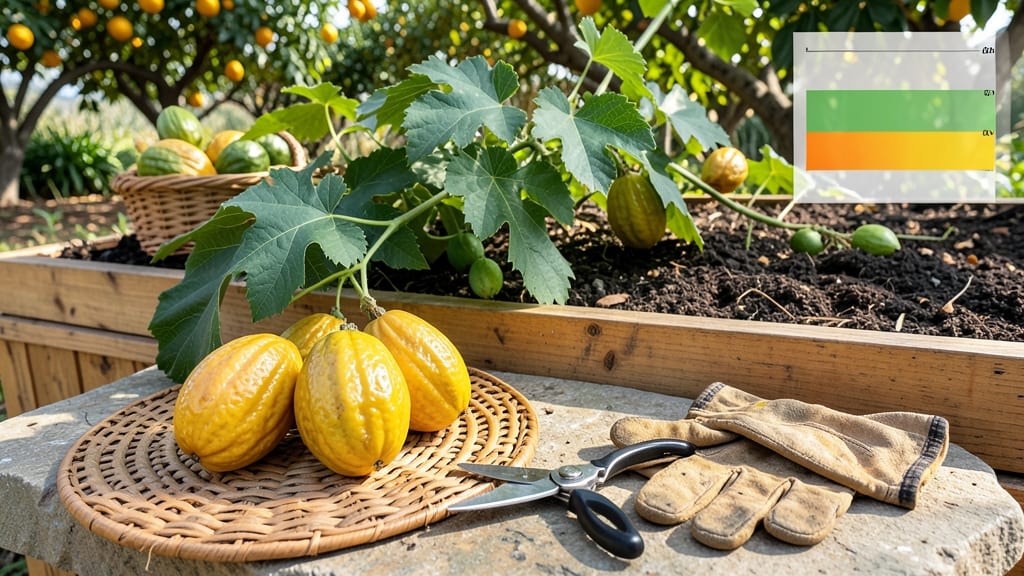
To pick passionfruit at the perfect moment, watch for deep purple, yellow, or red skin 🍈 and a gentle rattle when shaken—these are your cues for sweet, juicy fruit.
Picture this: you’ve waited months for your passionfruit vine to burst into color, only to bite into a tart, seedy disappointment. That’s what happens when you harvest too early—or too late.
The difference between bitter and bursting flavor comes down to two simple tests: the seed rattle and the skin glow.
Whether you’re in a tropical paradise or a subtropical backyard, timing matters. In warmer climates, fruit ripens year-round, while cooler zones see a peak in late summer to early fall. I’ll break down the exact signals to watch for, plus how to adjust for your local growing conditions.
By the end, you’ll know not just when to pick passionfruit, but how to turn every harvest into a sweet, tropical victory. Let’s dive into the secrets of the vine.

How to test passionfruit ripeness: seed rattle & skin glow methods
Passionfruit ripeness can be tricky—pick too early, and you’ll get bitter, seedy disappointment. Pick too late, and the fruit might overripen or even rot on the vine. But don’t worry: two simple tests—seed rattle and skin glow—will tell you exactly when to harvest for that perfect sweet-tart flavor.
These methods work for both purple passionfruit (like 'Purple Giant') and yellow passionfruit (like 'Golden Passionfruit'). The key is paying attention to subtle but unmistakable signs that the fruit is ready to enjoy—or share with neighbors! Let’s break down how to use these tests like a pro.
Step-by-Step Ripeness Test
- Step 1: Check the skin color. Fully ripe passionfruit will have a deep purple (for purple varieties) or golden yellow hue—no more green patches. If it’s still mostly green, wait 3-5 more days.
- Step 2: Gently shake the fruit near your ear. If you hear a distinct rattle (like marbles inside), the seeds are fully developed, and the fruit is sweet. No rattle? It’s not ready yet.
- Step 3: Press the fruit lightly with your thumb. A ripe passionfruit will feel slightly soft but not mushy. If it’s hard, it’s underripe; if it’s mushy, it’s overripe.
- Step 4: Look at the stem. A dry, shriveled stem means the fruit is ready to pick. A green, plump stem means it’s still on the vine too long.
- Step 5: Give it a gentle twist. Ripe passionfruit will detach easily from the vine. If it resists, it’s not ready—wait another day or two.
Pro tip: Harvest in the morning when temperatures are cooler. This helps preserve the fruit’s flavor and texture longer after picking. Plus, morning fruit tends to ripen more evenly if you’re storing them.
One common mistake? Assuming all passionfruit ripen at the same rate. Purple varieties often ripen faster than yellow varieties, so check your vines every 2-3 days during peak season. If you miss the window, unripe fruit can still ripen off the vine—but it’ll never taste as good as vine-ripe.
What about overripe passionfruit? They’ll turn shriveled or leathery and may develop a fermented smell. If you see this, it’s time to compost them—no amount of sweetening will save them!
But if you catch them just right, you’ll be rewarded with juicy, aromatic passionfruit that’s perfect for smoothies, desserts, or eating fresh.
Remember, the earlier you harvest, the more seeds you’ll find inside. For the sweetest, least seedy fruit, let passionfruit ripen fully on the vine. And if you’re growing multiple varieties, keep a small notebook to track ripening times—it’ll help you plan for continuous harvests all season long.
Now that you’ve mastered the tests, your passionfruit vines will become a flavor factory! Just imagine the tropical treats you’ll create with perfectly ripe fruit—all thanks to a little patience and these simple checks.
Best time of year to harvest passionfruit by climate Zone
Your passionfruit vine thrives in warm climates, but the harvest window shifts dramatically depending on where you live. In tropical zones, like Florida or Hawaii, fruit ripens year-round, while subtropical areas (California, Australia) see peaks in late summer.
Cooler temperate zones (Zone 8+) only produce in late summer to early fall—unless you take steps to extend the season.
Climate dictates everything: from fruit color cues to the best time of day to harvest. Purple passionfruit in Florida might ripen in May, while yellow varieties in Southern California peak in September.
I’ll show you how to align your harvest with your local growing season—and how to cheat the system for continuous fruit production.
🌱 Pro Tip: Use a harvest journal to track fruit color changes and seed rattles by month. This helps you predict future harvests and adjust care for next season.
In tropical zones, where I’ve grown passionfruit for years, the vines produce continuous harvests if you prune strategically. After each flush of fruit ripens, cut back one-third of the vine to stimulate new flowering. This mimics the natural cycle and keeps fruit coming every 8-10 weeks.
For subtropical gardeners, focus on late summer harvests when temperatures dip below 90°F. The fruit develops sweeter flavors in cooler weather—just like wine grapes. If your area gets light frosts, protect young fruit with row covers or move potted vines indoors temporarily.
Even in cooler climates, you can extend the season by growing passionfruit in large containers. Bring them indoors before frost, place near a south-facing window, and use grow lights to maintain 12 hours of light.
With this method, I’ve harvested fruit in Zone 7 as late as November—though flavor may be slightly less intense.
Remember: Harvest timing isn’t just about the calendar—it’s about watching your vine. The moment the fruit detaches easily with a gentle twist and emits a subtle tropical aroma, that’s your cue.
Whether you’re in a steamy jungle or a mild Mediterranean climate, these seasonal secrets will turn your passionfruit harvest into a year-round delight. 🌿