
Vegetables
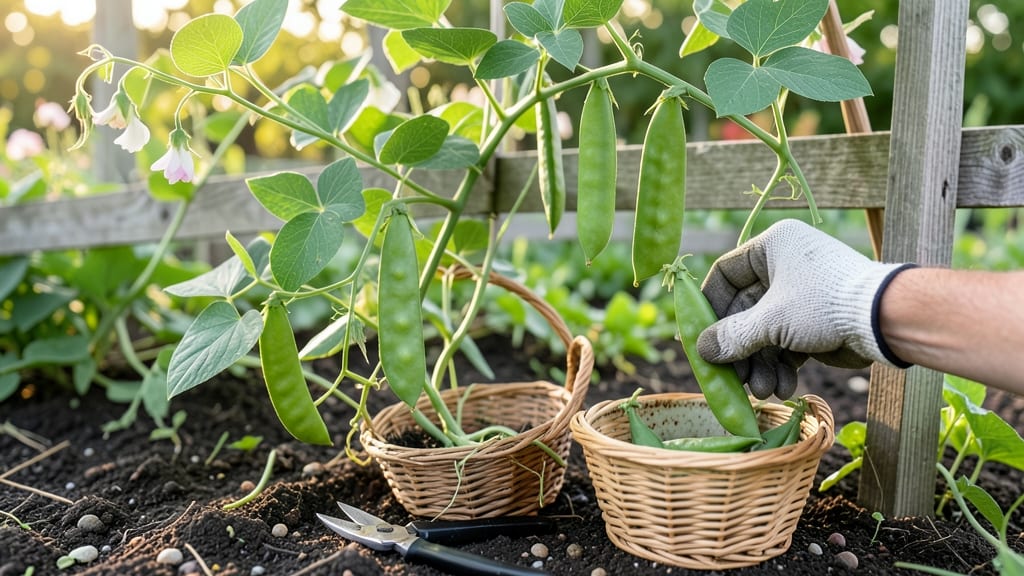
To pick Crowder peas at their sweetest, watch for pods that are 3-4 inches long and firm but slightly yielding when pressed 🌱 — this is when they’re at peak flavor and texture.
Picture this: you’re shaking the vine, and the pods rattle like a handful of marbles. That’s your cue they’re ready. Miss this window, and those tender pods turn tough and stringy, or worse, the seeds harden and the plant stops producing.
Timing matters because Crowder peas don’t wait forever. Once they hit 70 days after planting, the clock starts ticking, and the pods age fast. In Zone 6a, that’s usually July or early August, but a late spring frost or hot snap can shift things by weeks.
In this guide, I’ll show you the vine shake test, how to spot the perfect pod, and why harvesting early keeps your plants pumping out fresh pods all season long.

How to use the vine shake test for Crowder peas harvest timing
The vine shake test is my go-to trick for knowing when Crowder peas are ready to pick. This simple method saves time and ensures you harvest pods at their sweetest, most tender stage.
The science behind it? Crowder peas develop rapidly once pods form, and shaking the vine helps you "listen" to their readiness without damaging the plant.
When pods reach 70 days after planting (or when they’re 3-4 inches long), they’re typically ready. But don’t rely solely on days—use the shake test to confirm. Overripe pods lose sweetness and become fibrous, while underripe ones are tough and flavorless. The shake test bridges this gap perfectly.
Here’s how it works: grasp a healthy vine section and give it a gentle shake. If the pods rattle like marbles inside, they’re ready. If they stay still, they need more time. This test works because mature pods loosen slightly from the vine as they near peak ripeness.
- Step 1 Choose a sunny morning for the test—pods are firmer then and less likely to bruise.
- Step 2 Gently grasp a 12-inch section of vine near the base and shake it side-to-side for 2-3 seconds.
- Step 3 Listen for a marble-like rattle—this means pods are plump and ready. If they stay silent, wait 2-3 days and retest.
- Step 4 Check pod firmness: press gently—ready pods should yield slightly but not dent. Overripe pods feel hard and woody.
- Step 5 Look inside: seeds should be visible but not fully developed (about half-sized). Fully formed seeds mean the pod is past its prime.
Visual cues matter just as much as the shake test. Ready pods are plump and slightly curved, with a glossy green hue. Avoid pods that are dull or yellowing—these are overripe.
Also, check for slight leaf yellowing near the pods; this signals the plant is redirecting energy to seed production, a sign it’s time to harvest.
Avoid these common mistakes: harvesting too early (pods are tough and bitter) or too late (pods turn woody and stringy). Another pitfall? Shaking the vine too aggressively, which can damage tender pods. Always use a gentle, controlled motion.
Harvesting at the right time isn’t just about flavor—it extends your plant’s productivity. When you pick pods early and often, the vine keeps producing new flowers and pods.
In Zone 6a, this means you can enjoy fresh Crowder peas for 4-6 weeks if you stay on top of harvesting.
Pro tip: Use clean, sharp scissors or pruning shears to snip pods at the vine. This prevents damage to the plant and makes future harvests easier. Always leave 1-2 inches of stem attached to the pod—this helps the plant heal faster.
If you’re new to Crowder peas, start by harvesting every 2-3 days during peak season. This frequency keeps pods at their best and encourages the plant to keep producing. In hot climates like Zone 8-10, you might harvest daily to avoid overripening.
Remember, the vine shake test is your secret weapon for Crowder peas. Once you master it, you’ll never second-guess when to pick again. Happy harvesting! 🌱
Crowder peas growth stages: when to expect pods and how long they last
Understanding Crowder peas' growth stages is key to predicting when those sweet pods will appear. From seed to harvest, these vines follow a predictable timeline that varies slightly based on your USDA Zone and planting time.
In Zone 6a, where I garden, pods typically form between 45-60 days after planting, with full maturity at 70 days—but this can shift by weeks in cooler or warmer climates.
The journey begins with seed germination, which takes 5-10 days in warm soil (60°F+). Once sprouted, vines grow rapidly, reaching 1-2 feet in just 3-4 weeks. This early growth phase focuses on establishing roots and foliage, setting the stage for flower production.
Pay attention here—adequate sunlight and consistent moisture prevent stunted growth that delays pod formation.
| Stage | Days After Planting | Visual Markers | Action |
|---|---|---|---|
| Germination | 5-10 | Sprouts emerge ½" tall | Thin seedlings to 2" apart |
| Vegetative Growth | 21-35 | Vines reach 1-2 ft, first flowers appear | Fertilize lightly (5-10-10) |
| Flowering | 35-45 | Purple/white flowers open daily | Support vines if needed |
| Pod Formation | 45-60 | Pods appear as tiny green bumps | Begin vine shake tests |
| Harvest Window | 60-70 | Pods 3-4" long, glossy green | Harvest every 2-3 days |
| Seed Maturity | 70-80 | Pods turn dull, seeds harden | Stop harvesting, save seeds |
In cooler climates (Zones 5-6), expect pods to appear 2-3 weeks later than the 60-day mark. My Zone 6a garden typically sees first pods in early July when planted in late May, but a chilly spring can delay this by 10 days.
Conversely, in warmer zones (7-10), pods may form as early as May with spring planting, giving you a longer harvest window.
The pod development timeline is where timing becomes critical. Once pods appear (around 45 days), they grow ½ inch per day under ideal conditions. By day 60, they should be 3-4 inches long—the perfect size for harvesting.
If you miss this window, pods continue growing but become woody and stringy within 5-7 days, losing their sweetness permanently.
Here's my pro tip for extending the harvest season: plant a second crop 4-6 weeks after your first planting. This staggered approach ensures fresh pods from July through September in most regions.
In Zone 6a, I often plant a late-June crop that produces pods just as the first batch starts to decline—double the harvest with minimal effort!
Remember that Crowder peas are heat-tolerant but sensitive to frost. In Zones 7-10, you can enjoy pods until first frost (October/November), while in Zones 5 or cooler, harvest must wrap up by early September to avoid frost damage.
Pay attention to your local frost-free days—this is your true deadline for a successful harvest.