
How To
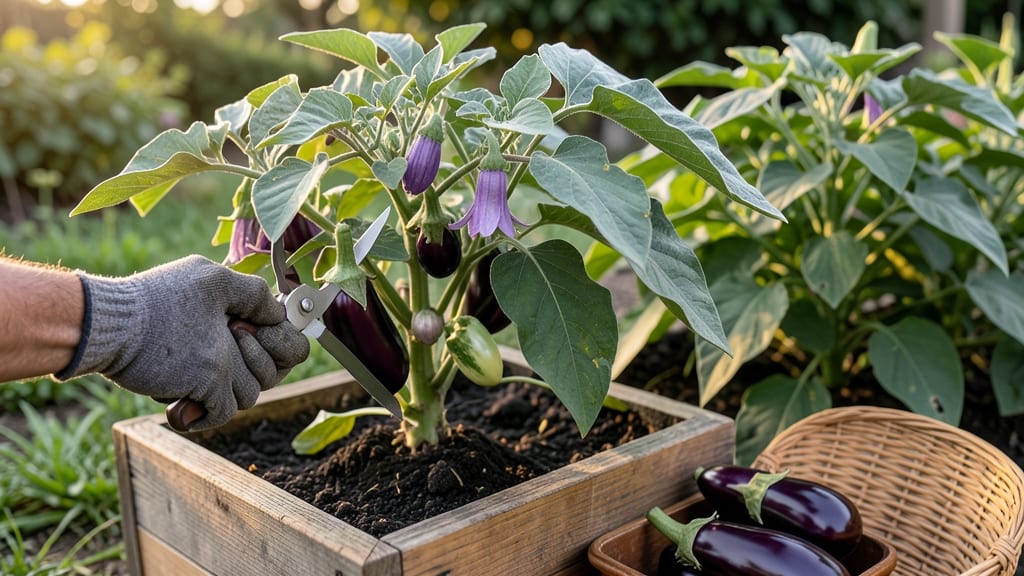
To pick eggplant off the vine at the perfect moment means the difference between tender, flavorful fruit and a bitter, seedy mess.
Picture this: you’ve waited months for your 🍆 plants to thrive, only to pull an eggplant too early and end up with tough, underdeveloped flesh—or worse, leave it too long and watch it turn woody.
The key? A mix of color, size, and a little-known stem test that gardeners swear by. Master these tricks, and you’ll never second-guess harvest time again.
Most guides focus on color alone, but that’s only part of the story. Eggplant ripeness depends on three overlooked signs, including how the stem separates (a game-changer for flavor) and subtle changes in texture that tell you the fruit is ready to go.
Skip these, and you might as well be guessing.
Below, I’ll walk you through the exact steps to test your eggplant’s readiness—plus what happens if you get the timing wrong—and how to salvage less-than-perfect fruit. No more wasted harvests, just perfect, restaurant-quality eggplants every time.
The stem twist test: how to tell when eggplant are ready to harvest
Color alone won’t cut it when determining if your eggplant is ready to harvest. Many gardeners make the mistake of relying solely on deep purple skin, but this can be misleading—especially with white or striped varieties.
The real secret lies in the stem twist test, a foolproof method used by professional growers to guarantee peak ripeness. This simple technique reveals whether your fruit is tender, flavorful, and at its perfect eating stage.
Why does the stem matter? The way the stem separates from the fruit tells you about internal seed development and flesh tenderness. A properly ripe eggplant will detach cleanly with just a gentle twist, while an underripe one will cling stubbornly to the vine.
Mastering this test means you’ll avoid the two biggest harvest mistakes: bitter, seedy fruit (picked too early) or woody, overripe eggplants (left too long).
How to Perform the Stem Twist Test
- Step 1: Choose a mature-looking eggplant (4-6 inches long) with fully colored skin. Avoid fruits that are still pale or streaked.
- Step 2: Gently grasp the fruit near the stem with your thumb and forefinger. Avoid squeezing too hard—you’re testing gentle separation, not strength.
- Step 3: Twist the fruit slowly and firmly (about a quarter turn). Watch how the stem reacts—this is the key moment.
- Step 4: If the stem snaps cleanly at the base with a slight popping sound, your eggplant is perfectly ripe. The stem should leave a small scar where it detached.
- Step 5: If the stem resists twisting or tears instead of snapping, it’s not ready yet. If it detaches too easily (without resistance), it may be overripe.
💡 Pro Tip: Test 2-3 eggplants per plant—some varieties ripen faster than others.
Here’s why the twist test beats color alone: Skin color can be misleading due to uneven sunlight or variety differences. For example, white eggplants like ‘Casaba’ stay pale even when ripe, while purple varieties might look ready but still be tough inside.
The twist test accounts for these variables by checking internal maturity rather than just surface appearance.
The ideal ripe eggplant should also feel heavy for its size—this indicates juicy flesh. Give it a gentle squeeze: if it yields slightly (like a ripe avocado) but doesn’t feel mushy, it’s ready.
A firm, rock-hard eggplant is underripe, while one that’s soft or dented when pressed is overripe. Combine the twist test with this firmness check for foolproof results.
Timing matters even more in hot climates, where eggplants can ripen faster. In these conditions, perform the twist test every 2-3 days during peak harvest season (July-August).
Conversely, in cooler zones, you might only need to check weekly—but never wait longer than 100 days after transplanting, as overripe eggplants develop bitter, fibrous flesh.
What if your eggplant passes the twist test but still looks small? Don’t panic—some compact varieties (like ‘Fairy Tale’) mature at just 3-4 inches. Always check your seed packet for expected size ranges.
For standard varieties, aim for 4-6 inches in length. The twist test remains reliable regardless of size, as long as the fruit is fully colored.
One common mistake is twisting too hard, which can damage the plant or the fruit. Use minimal force—think of it like unscrewing a jar lid. If the stem doesn’t snap cleanly on the first try, wait 24 hours and test again.
Patience here pays off with sweeter, more flavorful eggplants. Overripe fruits often have shriveled stems or cracked skin, so act quickly once you see these signs.
After harvesting, store your eggplants at room temperature for up to 3 days to let flavors develop further. For longer storage, refrigerate (but avoid freezing, as it turns the flesh mushy). The twist test doesn’t just save you from bad harvests—it also ensures your eggplants stay fresh longer after picking.
Now you’re ready to transform your garden into a flavor-packed eggplant harvest every season. 🌱
3 Overlooked signs your eggplant is perfectly ripe (beyond the color check)
Even after mastering the stem twist test, you might still miss the subtle clues that reveal when your eggplant is truly at its peak. Professional growers rely on three hidden signs that go beyond just color—each one a direct indicator of flavor, texture, and seed development.
These signs ensure you’re harvesting at the exact moment when your fruit is sweetest and most tender, not just "ready enough."
The first clue is the stem texture at the base of the fruit. A perfectly ripe eggplant will show a slightly soft stem where it meets the vine, almost like a tiny dimple or scar.
This softness signals that the fruit’s cell structure has fully developed, delivering that ideal balance between firmness and juiciness. Run your thumb gently over the stem—if it feels slightly yielding (not mushy), that’s your cue to harvest.
🔍 3 Overlooked Signs of Perfectly Ripe Eggplant
- 1. Stem Texture: Base feels slightly soft with a tiny scar—indicates internal maturity and sweetness.
- 2. Seed Development: Seeds are fully formed but still small (pea-sized), not hollow or shriveled.
- 3. Subtle Size Shift: Fruit stops growing vertically but gains glossy sheen—a sign of peak ripeness.
✅ Pro Tip: Combine these signs with the twist test for 100% accuracy.
The second sign is what’s happening inside the fruit—specifically, the seed development. Cut open a candidate eggplant (or gently squeeze near the stem to feel for resistance) to check the seeds.
At peak ripeness, they’ll be fully formed but still small (about the size of peas), not hollow or shriveled. Overripe eggplants often have large, dark seeds surrounded by bitter, fibrous flesh. This internal check is especially critical for heirloom varieties, which can vary widely in seed development timing.
Don’t overlook the subtle size shift that signals readiness. Once your eggplant reaches its expected mature size (check your seed packet), it should stop growing vertically but instead develop a glossy sheen on its skin.
This sheen isn’t just about looks—it’s a physical indicator that the fruit’s wax coating has fully developed, protecting its moisture and sweetness. Measure your eggplant weekly: if growth stalls but the skin becomes shiny, it’s time to harvest.
These three signs work together like a ripeness checklist. For example, a white eggplant like ‘Rosa Bianca’ might pass the stem texture test but fail the seed check—meaning it needs a few more days.
Conversely, a purple variety could look fully colored but still be firm if the seed test isn’t complete. Always test 2-3 fruits per plant to account for variations in ripening speed, especially in hot climates where some fruits mature faster.
One final trick: pay attention to the fruit’s weight. A perfectly ripe eggplant feels heavy for its size because its flesh is packed with juicy, flavorful cells. Hold two candidates in each hand—if one feels noticeably lighter, it’s likely still developing.
This weight test works even for miniature varieties like ‘Patio Baby,’ where size alone isn’t a reliable indicator. Combine this with the other signs for a foolproof harvest.
By mastering these overlooked clues, you’ll transform your eggplant harvest from hit-or-miss to consistently perfect. Next time you’re tempted to pick based on color alone, take an extra 30 seconds to check these hidden signs. Your taste buds—and your dinner guests—will thank you. 🌿