
How To
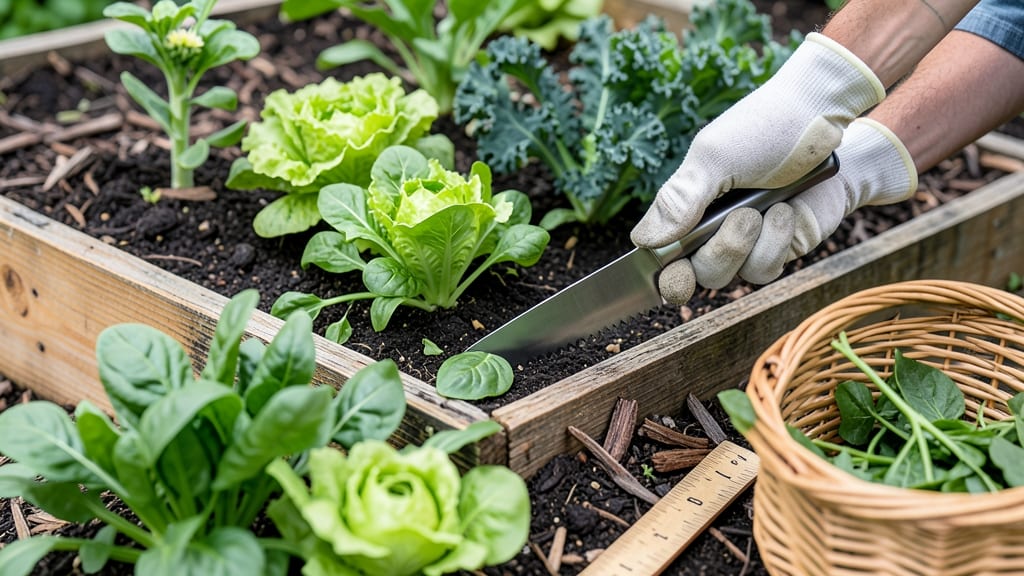
Picking leafy greens 🥬 at the right time turns your garden into a salad bar of crisp, flavorful bites instead of tough, bitter scraps.
Ever pulled a leaf from your lettuce bed only to wince at the texture—or worse, watch it bolt into seed before you could enjoy it? The difference between a perfect harvest and a wasted crop often comes down to timing.
Leaf size, stem color, and even the time of day play a role, but the biggest mistake gardeners make is waiting too long. By the time your greens reach 6 inches and develop that vibrant color, you’ve missed the sweet spot for tenderness.
Below, I’ll walk you through the exact signs to watch for—plus how to adjust for spring, summer, and fall—so you never harvest too early or too late again.

How leaf size and stem color determine perfect harvest timing
Harvesting leafy greens at the right moment transforms your garden into a flavor powerhouse. The key lies in two simple but critical visual cues: leaf size and stem color.
When you spot 4–6 inch leaves with vibrant hues, that’s your green light to pick. Ignore these signs, and you risk tough, bitter greens that ruin even the best salads.
For example, spinach and arugula reach peak tenderness at 4–5 inches long, while kale and Swiss chard shine brightest at 6–8 inches. The difference? Texture. Overgrown leaves turn fibrous, and flavors dull. Master these cues, and you’ll never overlook the perfect harvest window again.
🌱
Your stem color is a secret flavor indicator. For lettuce and arugula, keep an eye on stems turning from bright green to yellow—a sign of overmaturity. Meanwhile, kale and Swiss chard develop stunning purple or red stems when fully ripe, adding sweetness and nutrients.
Think of it as nature’s way of signaling, "Pick me now!"
Texture is your final checkpoint. Run your thumb over a leaf—it should feel firm but not leathery. If it crinkles like paper, you’ve waited too long. For baby greens, aim for a soft, velvety feel, while mature leaves should be crisp with slight resistance.
This tactile test separates gourmet bites from garden disappointments.
Don’t ignore the weather window either. Harvest early morning after dew dries but before the sun peaks. This timing preserves moisture and flavor, making your greens taste fresher out of the garden. Pro tip: Use clean, sharp scissors or pruners to avoid crushing stems, which speeds up spoilage.
🌿
One common mistake? Harvesting by calendar dates instead of visual cues. Just because your spinach is 30 days old doesn’t mean it’s ready—check the leaves first! Similarly, bolting greens (like arugula) send up flower stalks when stressed by heat.
If you spot these tall, thin stems, harvest immediately or the entire plant turns bitter.
For continuous harvests, focus on cut-and-come-again methods. Snip outer leaves just above a pair of leaves to encourage regrowth. This works wonders for kale and Swiss chard, letting you enjoy fresh greens for weeks.
Just avoid cutting into the center crown, or you’ll stunt the plant’s ability to rebound.
🪴
Seasonal shifts also play a role. In cool weather, greens like spinach develop sweeter flavors, while hot summers can make them bolt faster. Pay attention to how your local climate affects growth—adjust your harvest timing accordingly.
For example, fall-planted kale often tastes sweeter after a light frost, making late-season harvests a must.
By mastering these leaf size and stem color cues, you’ll transform your garden into a year-round salad bar. Start with these visual checks, and your greens will always taste like they just left the farmer’s market.
Best practices for harvesting greens without damaging the plant
Harvesting leafy greens the right way keeps your plants thriving and your kitchen stocked with fresh, tender leaves. The key is timing and technique—whether you're snipping baby spinach or mature kale.
I’ve learned that cutting too early wastes potential, while waiting too long turns crisp leaves into bitter, tough bundles.
Most gardeners focus only on when to harvest, but the how is just as critical. Using the wrong tool or method can stress your plants, stunting regrowth or even killing them.
For example, yanking leaves by hand can damage stems, while dull scissors create jagged cuts that invite pests. Let’s break down the best methods to keep your greens happy and productive.
🚨 When NOT to Harvest Your Greens
- Afternoon heat: Leaves wilt faster when temps exceed 85°F—harvest in morning shade instead.
- During drought: Stressed plants recover poorly; wait until soil is moist but not soggy.
- Before frost: Cold-hardy greens like kale can handle light frost, but spinach and lettuce turn mushy if harvested too soon.
- After heavy rain: Wait 24 hours to avoid spreading soilborne diseases through cuts.
For most leafy greens, the ideal time to harvest is when leaves reach 4–6 inches in length and are fully crisp to the touch.
For example, baby spinach is ready in 25–30 days when leaves are 3–4 inches, while mature kale thrives at 8–12 inches with deep purple stems. Always harvest outer leaves first—this encourages regrowth from the center and extends your harvest window by 30–50%.
Your tools matter just as much as timing. Clean, sharp scissors or pruning shears create precise cuts that heal faster than torn leaves. For delicate greens like arugula or mizuna, pinch leaves by hand at the base—just above a leaf node—to avoid damaging the stem.
I avoid using my fingers for larger leaves like Swiss chard, as their thick stems require a clean cut to prevent disease entry points.
After harvesting, never remove more than one-third of the plant at once. Over-harvesting stresses the root system and can lead to bolting (premature flowering) or stunted growth. For continuous harvests, space cuts 7–10 days apart and always leave the innermost leaves to keep the plant producing.
A little patience here pays off with weeks of fresh greens instead of a single overgrown haul.
Common mistakes like harvesting at the wrong time of day or using dirty tools can derail your garden’s productivity. Always sanitize scissors with rubbing alcohol between uses, and harvest in the early morning when leaves are hydrated and flavors are most concentrated.
One season, I ignored this rule and ended up with bitter lettuce—a mistake I haven’t repeated since!
With these techniques, you’ll enjoy continuous harvests all season long, whether you’re growing lettuce in spring or kale in fall. The secret? Pay attention to your plants, use the right tools, and never take more than they can give back. Your garden—and your salads—will thank you.