
Picking
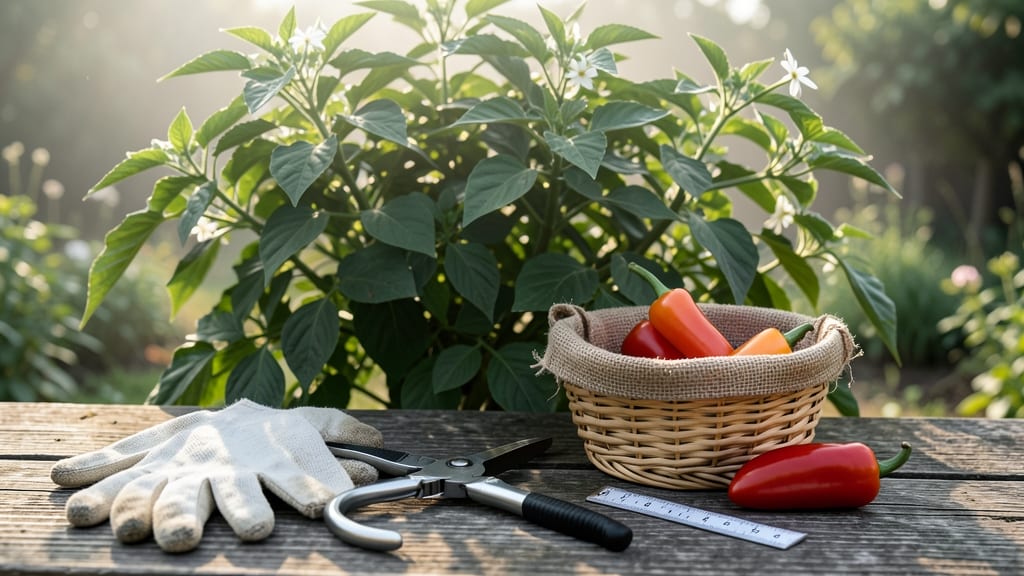
Picking Gypsy peppers at the right time means the difference between a bold, fiery flavor and a meal-ending disappointment.
These heat-loving 🌶️ peppers don’t rush to ripen—especially when summer lingers into fall. Miss the window, and you’ll end up with tough, seedy pods instead of the sweet, glossy gems you planted for. But get it right, and you’ll unlock a harvest that’s perfect for fresh eating, drying, or cooking.
Here’s how to read the signs: color shifts from green to deep red, yellow, or purple, firmness that resists gentle pressure, and a size of at least 3 inches. Heat stress can delay ripening, so I’ll show you how to adjust your timing when temperatures stay stubbornly high.
You’ll also learn the best time of day to harvest for maximum flavor, how to store your peppers for freshness, and when to leave them on the vine for even more intensity. Let’s turn your late-season peppers into a spice cabinet star.

How heat affects Gypsy pepper ripening: the science behind late-season picking
Gypsy peppers thrive in heat, but extreme temperatures can actually delay ripening by disrupting their natural sugar conversion process. When daytime temps hit 90°F+, peppers slow their color change from green to red/yellow because enzymes responsible for capsaicin development become less active.
This is why your late-season plants might stay green longer than expected—even when they look mature.
Heat stress also causes peppers to shut down photosynthesis temporarily, redirecting energy to survival instead of fruit maturation. You’ll notice wilted leaves or blossom end rot when this happens.
The good news? With proper care, these peppers can still ripen fully—they just need patience and the right conditions to bounce back.
Identifying heat-stressed Gypsy peppers early is key. Look for dull, wrinkled skin or peppers that feel soft when pressed—these are classic signs of heat damage. The stem might also discolor to brown or shrink slightly as the plant conserves water.
If you catch these issues early, shade cloth or afternoon watering can help reset their ripening timeline.
Here’s the science: Gypsy peppers ripen fastest in 75–85°F daytime temps with cool nights (60–65°F). When nights stay warm, ripening stalls because ethylene production (the hormone that triggers color change) slows down.
This is why peppers in Zone 9+ often need a little help—like partial shade or evening mulching to cool roots.
🌶️ Pro Tip: If your peppers are still green in late September, don’t panic. Many varieties (like ‘Gypsy Yellow’) need 10–14 days of cooler weather to fully ripen. Harvest them at 75% maturity (when they’re 3–4 inches long and firm) and finish ripening indoors on a sunny windowsill.
The color progression is your best ripeness indicator. Under moderate heat, Gypsy peppers transition from dull green to glossy red/yellow in 7–10 days. But in extreme heat, they might stay green for 2–3 weeks longer while still reaching full size.
Always twist peppers gently at the stem—if they snap cleanly, they’re ready, even if not fully colored.
Texture is just as important as color. A ripe Gypsy pepper should feel firm but slightly yielding (like a ripe avocado). If it’s rock-hard, it’s underripe; if it’s mushy, it’s overripe.
Heat can trick you here—some peppers may look ripe but feel leathery due to water stress. In these cases, harvest and ripen indoors to salvage flavor.
For peak flavor, aim to harvest Gypsy peppers in the morning after dew dries. This is when sugar levels are highest and heat stress is lowest.
If you’re growing in Zone 10+, consider shade cloth (30–50%) during peak afternoon sun to protect peppers from sun scorch and blossom drop.
🌿 Remember: Heat delays ripening, but it doesn’t stop it. With the right adjustments—like even watering, mulching, or partial shade—you can coax Gypsy peppers to full maturity even in the hottest summers.
The key is watching for color shifts and texture changes over time, not just calendar dates.
Gypsy pepper heat tolerance tricks: when to harvest for maximum flavor and storage
Gypsy peppers thrive in heat, but those same high temperatures can trick you into picking them too early or too late. The key is understanding how heat stress affects ripening—peppers exposed to 90°F+ days often take longer to develop their signature deep colors and bold flavors.
I’ve learned the hard way that waiting for the perfect moment makes all the difference between a fiery, aromatic harvest and bland, tough pods.
For fresh eating, aim to pick when peppers are firm, glossy, and fully colored—usually between 75-90 days after transplanting. But if you’re drying or canning, leave them on the vine a few extra days to concentrate their capsaicin content.
The best time of day to harvest? Early morning, when temperatures are cooler and the plant’s natural sugars are highest—this preserves flavor and heat-sensitive compounds.
5 Signs Your Gypsy Peppers Are Ready
- 1. Size Matters: Peppers reach 3-4 inches in length and feel heavy for their size.
- 2. Color Shift: Skin turns deep red, yellow, or purple—no more pale green patches.
- 3. Firm Texture: Gently press a pepper—it should resist pressure without denting.
- 4. Glossy Finish: The skin has a slight shine, indicating full ripeness.
- 5. Stem Snaps: The stem twists easily with a clean break (no tearing).
Heat waves can delay ripening, so don’t rush—wait for all five signs before harvesting. If your peppers are still green by late September, consider leaving them on the vine until the first frost (they’ll ripen off the plant if stored in a cool, dark place).
For storage, hang dried peppers in bundles or freeze them whole—their heat will mellow slightly but retain most of their punch.
Pro tip: Harvest every other day during peak season to encourage more production. Use clean, sharp scissors to avoid damaging the plant, and always harvest in the morning when the air is coolest. This simple trick preserves flavor and makes your peppers last longer in storage.
If you’re growing Gypsy peppers in containers, watch for signs of heat stress like wilting or yellowing leaves—these peppers need consistent moisture. Mulch around the base to retain soil moisture, and avoid overhead watering in the afternoon to prevent fungal issues.
With these tricks, you’ll turn late-season heat into your advantage and enjoy a harvest that’s anything but mediocre.
Remember, the longer you wait, the more intense the flavor—but don’t let peppers overripe on the vine or they’ll become tough and seedy. Balance is key, and your taste buds will thank you for it.