
How To
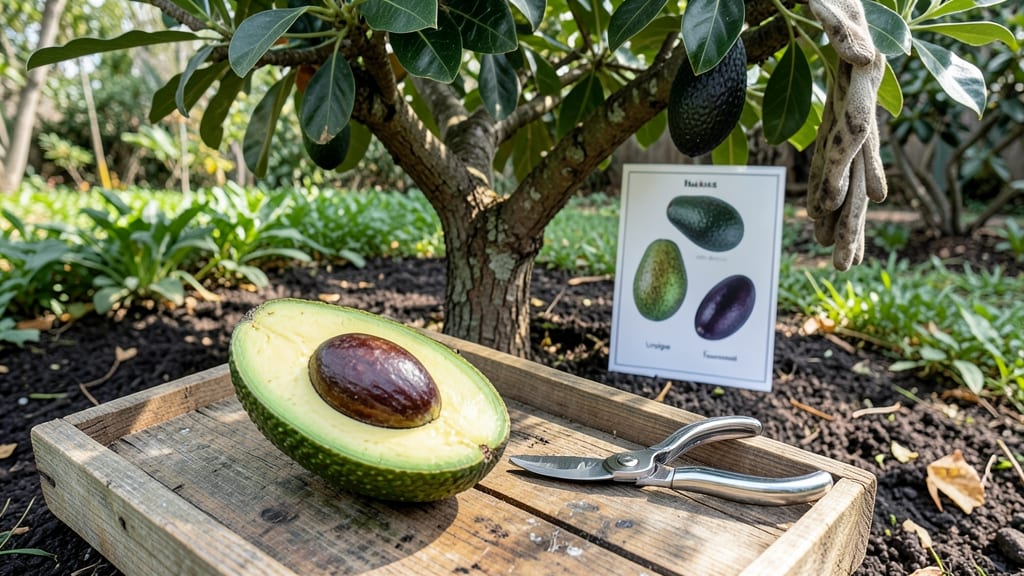
To pick Hass avocados at the perfect moment, watch for dark purple-black skin and a gentle give when pressed—this is when the creamy texture peaks.
Picture this: you twist the fruit from the tree, expecting a buttery slice for guacamole, only to find it mealy and flavorless. That’s the cost of picking too early or too late.
The key is learning to read three simple cues before harvest: stem separation, skin color, and flesh firmness. Master these, and you’ll never waste another avocado again.
Most gardeners assume Hass avocados are ready when they turn purple, but the real magic happens when the stem twists free with a slight tug and the flesh yields just enough to dent with gentle finger pressure. This tactile test is your shortcut to creamy perfection—no guesswork required.
In this guide, I’ll walk you through the exact steps to harvest Hass avocados without bruising, plus how to store them to ripen at home. By the end, you’ll know exactly when to reach for that 🥑 and why timing makes all the difference.

3 Tactile tests to determine Hass avocado ripeness before picking
Hass avocados are famous for their rich, buttery texture, but timing your harvest is everything. Picking too early means mealy, bland fruit, while waiting too long risks over-ripening.
The key? Tactile tests that reveal ripeness without damaging the fruit. These science-backed methods let you feel, see, and twist your way to perfectly ripe avocados every time.
Unlike other fruits that ripen on the vine, Hass avocados must be picked at peak ripeness and then allowed to soften at room temperature. The challenge?
Most gardeners can't tell when they're truly ready. That's where these three tactile tests come in—each designed to give you consistent, reliable results without guesswork.
Why tactile tests work: Hass avocados undergo subtle physical changes as they ripen. The stem twist test checks cell separation, finger pressure reveals flesh firmness, and skin color shifts confirm maturity. Together, these methods eliminate uncertainty and ensure you pick at the ideal moment.
- 1 Gentle Stem Twist Test: Grasp the fruit near the stem and twist gently. If it separates cleanly with slight resistance, it's ready. Too much force? It's not ripe yet.
- 2 Finger Pressure Resistance: Press your thumb into the fruit's skin. If it yields slightly (like pressing a ripe peach) but doesn't feel mushy, it's perfect. Hard as a rock? Wait longer.
- 3 Color Cues for Maturity: Look for deep purple-black skin (not green). The stem end should also turn brown and slightly dry. These visuals confirm the fruit is physiologically ripe.
Start with the stem twist test, as it's the most reliable indicator of cell wall breakdown. Hass avocados ripen from the inside out, so even if the skin looks dark, the flesh might still be firm.
The twist test reveals whether the fruit's internal structure is ready for harvest.
Next, use finger pressure to gauge flesh firmness. Press your thumb into the avocado's skin near the stem. A ripe Hass should give just enough to indent slightly but still feel springy.
Overripe avocados will feel mushy, while underripe ones will resist pressure entirely. This test is especially useful for large avocados, where internal ripeness varies.
Don't overlook color cues, though they're often overlooked. Hass avocados start green and gradually darken to deep purple-black as they ripen. The stem end is the best place to check—it should turn brown and slightly dry.
If the fruit is still mostly green, it needs more time on the tree. Pair this with the tactile tests for 100% accuracy.
Timing matters too. In USDA Zones 9a-11, Hass avocados typically ripen year-round, with peaks in late fall to winter. However, environmental factors like temperature and rainfall can shift ripening windows. Always combine these tests with seasonal knowledge for the best results.
Pro tip: Test a few avocados from different branches—ripeness varies across the tree. Once you've identified the perfectly ripe ones, harvest them immediately. Use a sharp pruning shear to avoid bruising, and handle the fruit gently to preserve its creamy texture.
If you're unsure, pick a few avocados and let them ripen at room temperature. Place them in a paper bag with a banana or apple to speed up the process. Within 2-5 days, you'll know if you've nailed the perfect ripeness—or need to adjust your next harvest.
Mastering these tactile tests takes practice, but once you do, you'll never struggle with mealy or overripe avocados again. The secret? Combine all three methods for foolproof results every time. Your taste buds—and your guests—will thank you!
How to harvest Hass avocados without bruising (step-by-step guide)
Now that you've identified perfectly ripe Hass avocados using the tactile tests, the next challenge is harvesting them without causing bruises or damage. A single rough cut can turn your creamy prize into a mealy mess, so using the right techniques is essential.
I've learned through years of trial and error that proper tools and gentle handling make all the difference between a flawless harvest and wasted fruit.
Begin by gathering your essential tools: a sharp pruning shear (not regular scissors), a clean cloth or towel, and a bucket or basket lined with soft material.
The shear should be clean and sharp to make a precise cut that minimizes damage to both the fruit and the tree. A dull blade crushes the fruit's delicate skin, leading to bruising that spreads internally within hours.
- 1 Position the Fruit: Stand on a stable step stool if needed to reach higher branches. Gently cup the avocado in your non-dominant hand, supporting its weight to prevent dropping.
- 2 Make the Cut: Hold the pruning shear at a 45-degree angle about 1/4 inch from the stem. Cut through the stem cleanly in one motion—avoid sawing back and forth which crushes the fruit.
- 3 Support the Fruit: As the avocado separates, use your other hand to gently cradle it below the cut point. This prevents it from twisting or falling and hitting the ground.
- 4 Handle with Care: Wrap the avocado in a soft cloth immediately after cutting. Place it in your lined basket to avoid direct contact with other fruits that could cause bruising.
- 5 Inspect for Damage: After harvesting, examine each avocado for surface bruises. Discard any that show dark spots or soft areas immediately, as these will spoil quickly.
After harvesting, your Hass avocados need proper post-harvest care to maintain their quality. Place them in a cool, shaded area (around 50-55°F) for 24 hours to stabilize their condition. This prevents the ethylene gas they produce from accelerating ripening too quickly, which can lead to over-ripening.
Never store them in the refrigerator immediately after harvest—this can cause chilling injury and turn the flesh brown.
For long-term storage, move the avocados to a paper bag with a banana or apple to speed up ripening at room temperature. Check them daily and remove any that show signs of over-ripening (like mushy texture).
Once ripe, Hass avocados can be stored in the refrigerator for up to 5 days to slow further ripening, but they'll lose some of their peak flavor. The key is to harvest at the perfect moment and handle them with care every step of the way.
Remember that Hass avocados continue to ripen after picking, so even if they feel slightly firm when harvested, they'll reach perfect texture within a few days. The goal is to pick when they're physiologically mature (using your tactile tests) and then let them soften naturally.
This two-step process ensures you always have creamy, flavorful avocados ready when you need them.
With these techniques, you'll transform from a gardener who struggles with bruised avocados to someone who consistently harvests perfect fruit. The difference comes down to precision tools, gentle handling, and proper post-harvest care—all of which preserve that coveted buttery texture we all love.
Your next guacamole batch will thank you!