
Picking
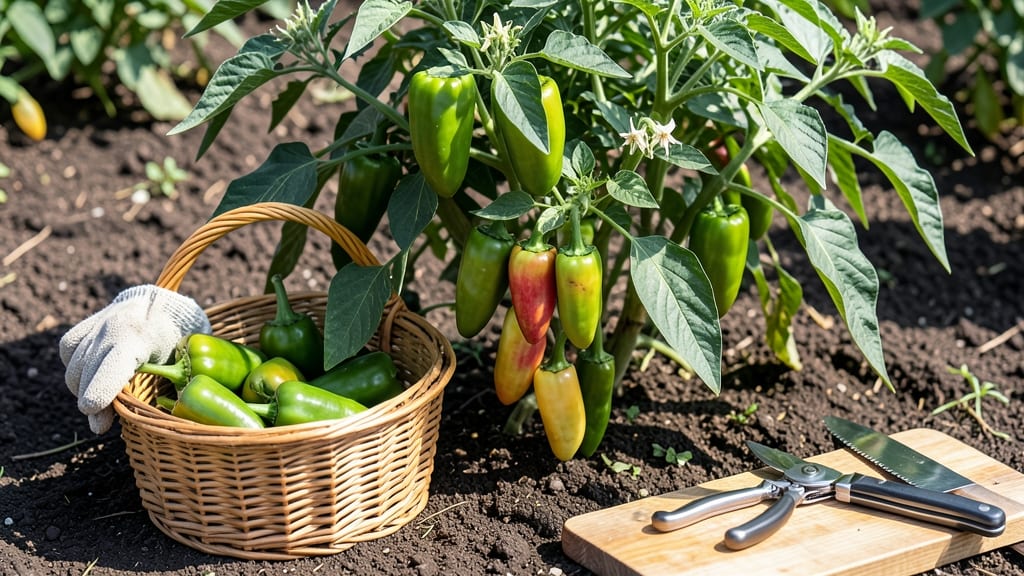
To pick jalapeños at their peak flavor and heat, you need to watch for three key maturity signals—size, color, and seed development—that transform a bland pod into a fiery gem.
Picture this: you’re reaching for a deep green 🌶️ pepper that snaps cleanly at the stem, only to find it still tastes like water. That’s the moment you realize timing matters more than luck. Miss the window, and you’re left with either underripe pups or overripe mush.
In this guide, I’ll walk you through the exact size and color cues to harvest for fresh eating, drying, or pickling—plus how to test heat levels without burning your fingers. No more guessing whether that 2-inch pepper is ready or still needs time.
By the end, you’ll know not just when to pick jalapeños, but how to turn every harvest into a flavor-packed victory—whether you’re making salsa, fermenting, or just snacking straight from the vine.

Jalapeño maturity checklist: size, color & seed development guide
Harvesting jalapeños at the perfect moment means watching for three key signals that work together: pod size, color progression, and seed development. Ignore one, and you risk bland, seedy, or overly soft peppers.
I’ve learned this the hard way—once I picked a 2-inch jalapeno too early, and it tasted like grass. Now, I check all three signs before harvesting.
Start with pod size, the easiest visual cue. Mature jalapeños typically reach 2-3 inches long and 1-1.5 inches wide when ready for fresh eating. For drying or pickling, wait until they’re 3-4 inches long—they’ll concentrate their heat and sweetness as they dry.
Pro tip: Measure against your thumb for a quick reference.
Next, observe color progression. Young jalapeños start light green and darken to a deep glossy green when fully mature. If you see red or yellow patches, that’s a sign of overripeness—great for drying but too sweet for fresh use.
I always harvest mine when they’re uniformly dark green to balance heat and flavor.
Finally, check seed development. A ripe jalapeno will have small, white seeds embedded in a thick gel-like pulp. If the seeds are brown or shriveled, the pepper is past its prime. Twist the pepper gently—if the seeds don’t easily separate from the flesh, it’s not ready yet.
Avoid the common mistake of harvesting based on size alone. I once picked a 3-inch jalapeno that was still pale green inside—it lacked heat and tasted bland. Always cross-check with color and seed maturity.
For example, a 2-inch jalapeno with deep green skin and white seeds is ready, while a 3-inch one with light green skin needs more time.
For maximum heat, harvest when jalapeños are deep green and firm. If you’re drying peppers, wait until they turn red or yellow, as this intensifies their flavor and heat.
I dry mine on racks in my garage with a fan—it’s a game-changer for homemade hot sauce. Just remember, dried jalapeños can be 3-5x hotter than fresh ones!
One trick I use is the finger squeeze test. Gently press a jalapeno with your thumb—if it feels firm but yields slightly, it’s ready. If it’s rock-hard, it’s underripe; if it’s mushy, it’s overripe.
Pair this with the stem snap test: twist the pepper at the stem. A ripe jalapeno will separate cleanly without tearing.
Timing also matters by season. In cool climates, jalapeños mature slower, so give them extra time. In hot climates, they ripen faster—check them every 2-3 days once they reach 1.5 inches.
I’ve found that in my Zone 7b garden, jalapeños are ready for harvest 75-90 days after transplanting, depending on weather.
Finally, don’t forget that harvesting frequency affects flavor. Pick jalapeños regularly to encourage more production. I harvest mine every 3-
Best time of day and season to harvest jalapeños for maximum flavor
Timing your jalapeño harvest isn’t just about waiting for the right pod size—it’s also about temperature, sunlight, and seasonal cues that amplify flavor and heat. I’ve learned the hard way that picking at the wrong time can turn your prized peppers into bland, watery disappointments.
The best flavor and capsaicin (that’s the heat compound) peak when conditions align perfectly.
In cooler climates like USDA Zones 6-8, aim to harvest jalapeños between late summer and early fall (August through September) when daytime temperatures hover between 70°F and 85°F.
Warmer zones (9+) can extend harvests into October or November, but watch for the first frost—it’ll turn your peppers mushy overnight. Early morning is the ideal time of day to pick, when peppers are cool and fully hydrated.
Here’s the secret: cooler nighttime temperatures (below 70°F) actually boost capsaicin production in jalapeños, making them spicier. That’s why late summer harvests often deliver the most kick.
If you’re growing in a hot desert climate, like Arizona or Southern California, your peppers might mature faster but develop milder heat—so prioritize color and firmness over speed.
Morning harvests are non-negotiable for flavor preservation. Peppers picked in the midday heat wilt faster and lose their crisp texture. Plus, the sugar content (which balances heat) peaks after a cool night.
Pro tip: Use clean, sharp pruners to avoid crushing the pods—this prevents bruising that can lead to rot. Always leave ½ inch of stem attached to slow moisture loss.
Seasonal shifts matter too. In Northern climates, jalapeños grown in greenhouses can be harvested 2-3 weeks earlier than outdoor plants, but they’ll have less heat without full sun exposure.
Meanwhile, in Southern regions, a late-summer heatwave can stall ripening—so provide shade cloth if temperatures hit 95°F+ to protect your plants. The goal? Keep peppers stressed but not scorched.
One last trick: if you’re drying jalapeños for long-term storage, wait until they turn bright red—this signals peak sweetness and heat. For fresh eating, deep green pods at 2-3 inches long are perfect.
And if you’re pickling? Harvest when firm but just starting to turn red for that perfect tangy crunch. Timing really is everything—your taste buds will thank you!