
How To
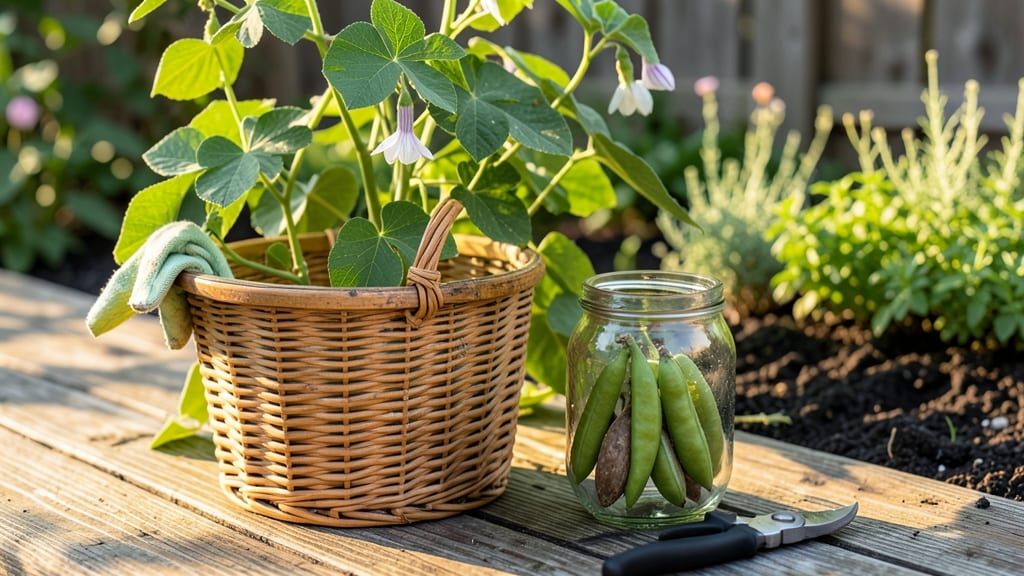
Harvesting lima beans at the right time turns your garden into a protein-rich feast—but wait too long, and those tender pods turn into tough, mealy disappointments.
You’ve nurtured your 🌱 lima beans all season, and now the moment of truth arrives: when to pick them for peak flavor and texture.
The difference between a crisp, sweet bite and a stringy, overripe pod often comes down to a few simple cues—pod size, color, and even the seeds inside.
Most gardeners wait until pods reach 4 to 6 inches in length, but timing varies by variety. Baby lima beans are ready earlier, while larger types like Fordhook need a little more patience. Ignore these signs, and you’ll miss the sweet spot where flavor and tenderness are at their best.
In this guide, I’ll break down the exact visual clues to harvest—plus how to keep your plants producing all summer long. Let’s make sure every pod you pick is a winner.

How to identify perfect lima bean pod size for harvesting
Harvesting lima beans at the right time transforms your garden into a protein-packed treasure chest. The key lies in pod size, firmness, and variety-specific maturity cues. Unlike other beans, lima beans reward precision—pick too early, and you’ll miss flavor; too late, and you’ll get tough, stringy pods.
Let’s break down the exact measurements and visual clues you need to know.
Most lima bean varieties fall into three main categories: baby lima beans, Fordhook, and Christmas lima beans. Each has its own ideal harvest window, but all share one rule: harvest before the seeds bulge.
Baby lima beans, for example, are ready when pods measure just 2-3 inches long, while Fordhook varieties need 4-6 inches of length. Understanding these differences ensures you never miss the sweet spot.
Here’s the game-changer: pod thickness. A perfectly ripe lima bean pod should feel firm but not rock-hard. Gently press a pod between your thumb and forefinger—if it gives slightly (like a ripe avocado), it’s ready.
If it’s soft or mushy, it’s overripe. If it’s too hard, it needs more time on the vine. This tactile check is your secret weapon for foolproof harvesting.
Now, let’s talk seed development. Inside those pods, seeds tell the real story. For baby lima beans, harvest when seeds are pea-sized or smaller. For larger varieties like Fordhook, wait until seeds are half the pod’s length but still soft.
If seeds feel hard or start to darken, you’ve waited too long—the pods will turn tough and mealy.
| Variety | Pod Size (Length) | Pod Firmness | Seed Stage | Harvest Window |
|---|---|---|---|---|
| Baby Lima Beans | 2-3 inches | Firm, slightly curved | Pea-sized or smaller | 50-60 days after planting |
| Fordhook | 4-6 inches | Firm, crisp | Half pod length, soft | 60-75 days after planting |
| Christmas Lima Beans | 3-5 inches | Firm, glossy | Quarter pod length, soft | 65-80 days after planting |
Regional variations can tweak your harvest timing by 1-2 weeks. In warmer climates (like USDA Zone 9), lima beans mature faster—sometimes 10-15 days earlier than in cooler zones. Conversely, in shorter growing seasons (Zone 5 or below), extend your harvest window by checking pods daily in late summer.
A quick rule: if your local first frost is October 15, prioritize harvesting by mid-September.
Color is another visual cue not to overlook. Mature lima bean pods should be a rich, deep green. If pods turn yellow or brown, they’ve overripe—this is your plant’s way of saying, “I’ve given up!”
Pale green pods? They’re still immature. The glossy sheen on the pod surface is also a telltale sign of readiness. Think of it like a traffic light: deep green = go; yellow/brown = stop.
Pro tip: Harvest in the morning when pods are cool and crisp. This is when they’re at their peak tenderness. Use a sharp pair of pruning shears or your fingers to snap pods cleanly from the vine—twisting can damage the plant.
For bush varieties, harvest from the bottom up, letting lower pods mature while you focus on the top. For pole varieties, work your way upward to encourage continuous production.
One common mistake? Waiting for pods to “pop” when you squeeze them. By then, it’s too late—the seeds inside have already hardened. Instead, aim for pods that yield slightly under gentle pressure, like a ripe cucumber.
This ensures maximum tenderness and flavor. If you’re unsure, cut open a pod to check the seeds: they should be soft and pale green, not hard or dark.
Finally, remember that frequency matters. Lima beans produce continuously, so check your plants every 2-3 days during peak season. The more you harvest, the more your plants will reward you with fresh pods. Think of it as a feedback loop: harvest often, and your plants will keep producing.
Neglect them, and you’ll end up with a bush full of overripe pods—and no second chance for tender harvests.
Seed color & pod maturity: the hidden clues to harvesting success
Lima beans reveal their harvest readiness through subtle but unmistakable seed color and pod maturity clues. Ignoring these signals often leads to overripe pods that become tough and mealy, or underripe ones lacking flavor.
The key lies in observing the seed development inside the pod and the pod color changes that signal peak harvest time.
Most lima bean varieties follow a predictable pattern: green seeds indicate early maturity, while black or speckled seeds mean the pods are fully mature. For example, Fordhook varieties often show black seeds when ready, while baby lima beans may still be tender with green seeds.
The pod’s exterior also transforms—glossy green pods signal optimal harvest timing, while dull or yellowing pods mean it’s past prime.
⚠️ callout-warning ⚠️
Lima beans turn woody and fibrous within 24 hours of full maturity. If seeds appear fully black or speckled and the pod feels dry, you’ve missed the window. Overripe beans lose 70% of their tenderness and develop a bitter taste. Check pods every 2-3 days starting at 50 days after planting to catch the perfect moment.
For baby lima beans, harvest when pods are 3-4 inches long and seeds remain green or pale yellow. These varieties prioritize tenderness over seed development, so wait until the pod is plump but still flexible.
In contrast, Fordhook and Christmas lima beans should be picked when seeds turn dark green to black, but the pod remains firm and slightly curved.
Common mistakes include harvesting based solely on pod size or plant age. A 5-inch pod with soft seeds is overripe, while a 4-inch pod with hard seeds is underripe. Always squeeze the pod gently—it should yield slightly but not feel mushy.
This tactile check, combined with seed color observation, ensures you never miss the sweet spot for harvest.
Regional variations can slightly alter timing, but pod color remains the most reliable indicator. In hotter climates, maturity happens faster, so monitor seeds closely. Conversely, cooler regions may extend the window by 5-7 days.
Pay attention to how your specific variety matures—some, like Henderson bush beans, develop speckled seeds before reaching full black, signaling an earlier harvest.
Pro tip: Harvest in the morning when pods are cool and crisp. Use clean pruning shears or simply twist pods gently to avoid damaging the vine. Regular harvesting—every 2-3 days—encourages more pods to form, extending your harvest season by 3-4 weeks.
The payoff? Beans that are sweet, tender, and packed with protein.