
How To
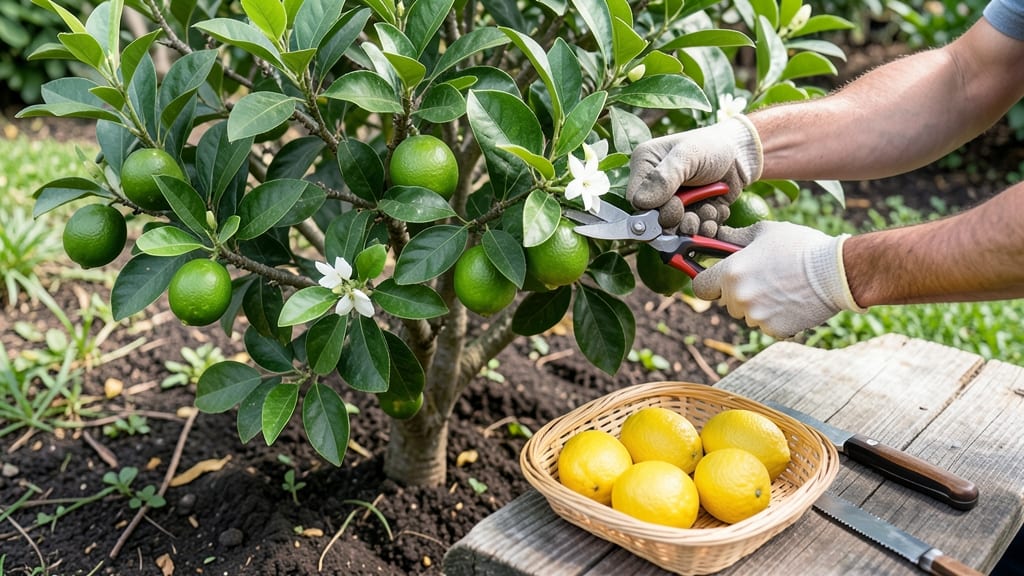
To pick key limes at their sweetest, wait until they turn bright yellow-green and yield slightly when gently squeezed—this is the perfect moment before they overripen.
Nothing ruins a margarita faster than a sour or mealy lime 🍋. But timing isn’t just about color—it’s also about the season and your region. Florida’s peak harvest runs from May to September, while California’s milder climate stretches it into early fall.
You’ll also want to check for that signature citrus scent and a stem that separates cleanly. These tricks ensure you get the tangy-sweet balance that makes key limes irresistible in both drinks and desserts.
Below, I’ll walk you through three non-destructive tricks to test ripeness, plus how to adjust for early or late harvests—so you never miss the window again.

3 Visual cues to determine when key limes are ripe for picking
Key limes reach their peak flavor when they’re bright yellow-green and slightly soft to the touch—this is your sweet spot for harvesting. Unlike Persian limes, which ripen on the tree, key limes must be picked at this exact stage to avoid mealiness or sourness.
The good news? You can test ripeness without harming the tree using three simple visual cues.
First, focus on the fruit color. Immature key limes are deep green, but ripe ones shift to a vibrant yellow-green hue. This color change signals the fruit’s sugars have fully developed.
Next, check the stem separation—a ripe lime’s stem should twist off cleanly with minimal force, leaving a small stem cap behind.
Finally, compare the fruit size to nearby limes. Ripe key limes typically measure about 1.5 to 2 inches in diameter, though size can vary slightly by tree.
If the fruit feels firm and lacks that citrusy aroma, it’s not ready yet. These cues work together to ensure you harvest at the perfect moment.
| Ripeness Cue | Unripe (Not Ready) | Perfectly Ripe (Ready) | Overripe (Too Late) |
|---|---|---|---|
| Fruit Color | Deep green 🟢 | Yellow-green 🟡 | Dull yellow or wrinkled |
| Stem Separation | Stem holds tightly | Twists off cleanly ✂️ | Stem falls off easily |
| Fruit Size | Small (<1 inch) | 1.5–2 inches | Larger but soft |
| Skin Texture | Tight and firm | Slightly wrinkled | Leathery or cracked |
| Aroma | No scent | Strong citrus 👃 | Fermented smell |
To test ripeness without damaging the tree, gently squeeze the lime near the stem. A ripe key lime will yield slightly, like a ripe avocado, but won’t feel mushy.
If the fruit feels rock-hard, it’s not ready—wait another week. Overripe limes, on the other hand, may feel soft or even leak liquid when pressed.
Pro tip: Compare limes from different branches. Some trees produce fruit at slightly different rates, so checking multiple branches ensures you don’t miss the peak harvest window. If you’re unsure, pick a few limes and taste-test one—this is the only way to truly confirm sweetness.
Regional differences matter too. In Florida’s humid climate, key limes ripen faster due to heat, while California’s coastal areas may take longer. Adjust your timing based on your local growing season—typically late spring to early fall in most subtropical zones.
Once you’ve identified ripe limes, harvest them carefully by twisting the stem or using clean pruning shears. Avoid pulling the fruit, as this can damage the tree. Store ripe key limes at room temperature for up to a week, or refrigerate to extend freshness for 2–3 weeks.
If you miss the harvest window, don’t worry! Key limes can be stored at 50–55°F for months, though flavor may mellow over time.
For the best results, though, aim to pick when the fruit is bright yellow-green and the stem separates easily—this is your ticket to perfectly sweet-tart key limes every time.
Best time of year to harvest key limes for maximum sweetness
Key lime trees thrive in USDA zones 9-11, where they produce fruit year-round in frost-free climates. However, the peak harvest window shifts based on your location—Florida’s humid summers trigger ripening from May to September, while California’s cooler coastal areas extend it into early October.
Even in the same region, microclimates can shift your harvest by weeks.
In subtropical zones like zone 8, key limes ripen later—often between June and November—because cooler nights slow sugar development. If you’re in zone 10-11, you might see two harvest cycles: a smaller one in spring and a larger one in summer.
Understanding these patterns helps you avoid overripe fruit or waiting too long.
The sweetness peak occurs when fruit reaches 1.2-1.4 Brix (a measure of sugar content), typically 3-4 weeks after turning yellow-green. In hotter climates like South Florida, this happens faster—sometimes in just 21 days—while cooler areas like Southern California may take 30+ days.
Monitor your tree’s progress to adjust timing.
| Region | Peak Harvest Months | Climate Notes | Adjustments |
|---|---|---|---|
| Florida (Zones 9-11) | May–September | Hot, humid summers | Harvest early if temps exceed 95°F |
| California (Zones 9-10) | June–October | Cooler coastal nights | Wait for full yellow-green color |
| Texas (Zones 8-10) | July–November | Variable heat/drought | Irrigate 2x/week for sweetness |
| Arizona (Zones 9-10) | June–September | Arid climate | Mulch to retain moisture |
| Potted Trees (Any Zone) | April–October | Container stress delays ripening | Use slow-release fertilizer |
If your climate experiences unusually hot or cold spells, the harvest window may shift. For example, a heatwave in July can cause fruit to ripen prematurely, while cooler-than-average springs might delay it until August.
To compensate, I recommend tracking your tree’s flowering date—fruit typically ripens 120-150 days after blooms appear.
For potted key lime trees, ripening often takes longer due to root stress. Move containers to a sheltered, sunny spot and increase watering to every 3-4 days during peak summer.
This can advance harvest by 1-2 weeks compared to stressed plants. Always check for stem separation and aroma—these cues matter more than calendar dates for container-grown fruit.
Pro tip: If you’re in a transition zone (zone 8), consider harvesting slightly underripe fruit and letting it ripen indoors. Place limes in a paper bag with a banana for 3-5 days to speed up sugar development.
This works best for fruit that’s yellow-green but firm—avoid overripe limes, which become mealy and lose flavor.