
How To
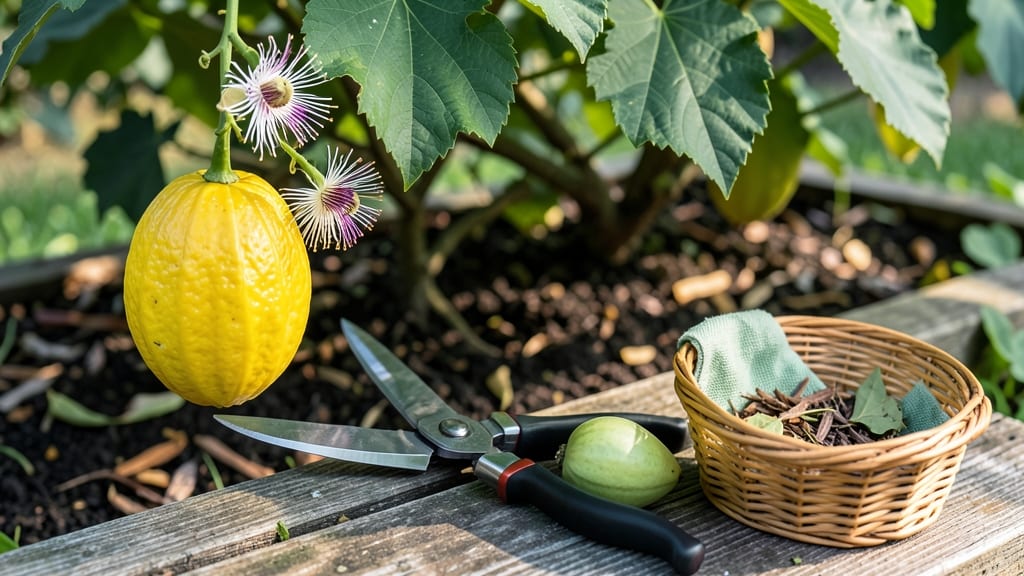
Picking lilikoi at the right time means the difference between a burst of tropical sweetness and a mealy, flavorless disappointment 🍈 — and the window to get it perfect is narrower than you’d think.
Lilikoi ripens fast—and picking too early or too late ruins the flavor. Miss these three simple tricks (color, stem flex, and seed rattle), and you’ll end up with mealy fruit or wasted harvests.
In General (Tropical/Subtropical Regions), where the vines thrive year-round, the key is knowing when the fruit shifts from firm to fragrant. A golden or purple skin that yields slightly under pressure?
That’s your cue. But timing isn’t just about color—it’s also about the time of day you harvest and how you handle the fruit afterward to keep it fresh.
Below, I’ll walk you through the exact signs to watch for, the best time of day to pick for maximum flavor, and how to store your harvest so it stays sweet for weeks—not days.

How to tell when lilikoi are ripe by color, touch & sound
Picking lilikoi at the perfect ripeness is an art—one that combines visual cues, tactile feedback, and even auditory signals. The moment you harvest can transform your fruit from mealy and bland to bursting with tropical sweetness.
I’ve learned the hard way that waiting too long means overripe fruit, while picking too soon leaves you with underdeveloped flavor. Let’s break down the three foolproof methods I use every harvest season.
First, let’s talk color changes, the most obvious sign of ripeness. Purple lilikoi (like the popular 'Purple Passion') should transition from deep green to a rich purple hue, almost like a bruise.
Meanwhile, yellow varieties (such as 'Golden Passion') turn from pale green to a vibrant golden yellow. Pro tip: Check the side facing the sun first—it ripens faster due to more direct light exposure.
| Ripeness Sign | Purple Varieties | Yellow Varieties | Action |
|---|---|---|---|
| Color | Deep purple (like eggplant) | Bright golden yellow | Check sun-exposed side first |
| Stem Flex | Gives slightly at base | Gives slightly at base | Twist gently—should detach easily |
| Seed Rattle | Clear, loud rattle | Clear, loud rattle | Shake gently near ear |
| Skin Texture | Slightly wrinkled | Slightly wrinkled | Press gently—should yield |
| Aroma | Sweet, tropical scent | Sweet, tropical scent | Sniff near stem—should be strong |
Next, test the stem flexibility—this is my secret weapon for avoiding underripe fruit. A ripe lilikoi’s stem should give slightly when you gently twist it at the base. If it feels firm and resistant, the fruit needs more time.
On the flip side, if the stem snaps easily or the fruit falls off with minimal pressure, it’s likely overripe. I’ve found that morning harvests often yield the best stem flexibility because cooler temperatures help the fruit firm up overnight.
Here’s where it gets fun: the seed rattle test. Hold the lilikoi near your ear and give it a gentle shake. A ripe fruit should produce a loud, clear rattle from the seeds inside. If you hear a muted thud or nothing at all, the fruit isn’t ripe enough.
This test works like a built-in timer—once you hear that rattle, the clock is ticking for 24-48 hours of peak ripeness before the fruit starts to deteriorate. I always harvest within 12 hours of hearing that rattle to guarantee the best flavor.
Don’t overlook the skin texture, either. Ripe lilikoi develop a slightly wrinkled appearance, especially around the blossom end. The skin should also yield slightly when you press it with your thumb—think of the give you’d expect from a perfectly ripe avocado.
If the skin feels taught and hard, it’s not ready. And if it’s sagging or leathery, you’ve waited too long.
The final clue is aroma. A ripe lilikoi emits a sweet, tropical scent that’s impossible to miss. Hold the fruit near your nose and take a deep sniff. If you detect a fruity, almost floral aroma, it’s time to harvest.
No scent? Back to the vine it goes. I’ve trained my nose to recognize this scent so well that I can often tell ripeness from across the garden just by sniffing the air near the vines.
One common mistake I see is relying solely on color. Some lilikoi varieties change color quickly but aren’t yet ripe inside. That’s why I always combine all three tests: color, stem flex, and seed rattle.
For example, I might see a purple lilikoi, but if the stem doesn’t give and there’s no rattle, I’ll leave it for another day. This multi-step approach has doubled my harvest success rate over the years.
Pro tip: If you’re unsure, pick a few extra and let them ripen indoors. Place them in a paper bag with a banana or apple—the fruit’s ethylene gas will speed up ripening. Check them daily using the seed rattle test until they’re perfect.
This method has saved me from countless wasted fruits, especially during peak harvest seasons when vines produce more than I can monitor.
Remember, lilikoi ripen fastest in warm climates (USDA zones 10-12). If you’re in a cooler region, your fruit may take longer to ripen on the vine. Adjust
Why lilikoi ripen faster than you think (and how to avoid overripe fruit)
Lilikoi fruit can go from perfectly ripe to overripe in just 24-48 hours after the color change—this rapid transformation is why so many gardeners end up with mealy, flavorless fruit 🍈.
The science behind this speed lies in the fruit's high sugar content and thin skin, which makes it vulnerable to overripening once the ripening process begins.
Once your lilikoi turns from green to its mature color—whether golden yellow or deep purple—the internal sugars convert rapidly. This means the window for picking at peak sweetness is surprisingly narrow.
Understanding this process helps you avoid the common mistake of waiting "just a little longer" for what you think will be sweeter fruit.
⚠️ callout warning ⚠️
🚨 Warning: Overripe Lilikoi in 24 Hours
Don't wait! Once lilikoi changes color, ripening accelerates. Overripe fruit develops a mealy texture and loses sweetness within 24-48 hours. Check for these 3 red flags:
- 🟡🟣 Color shift to fully mature hue
- 🤏 Skin gives easily when gently pressed
- 👃 Sweet aroma near the stem
Pick immediately after these signs appear!
The key to avoiding overripe fruit lies in understanding the three ripening stages of lilikoi. First, the fruit develops its mature color, then it softens slightly, and finally, the seeds inside begin to rattle.
This last stage is your final cue—once you hear that rattle, the fruit is at its sweetest peak. Waiting beyond this point risks turning your harvest into a mushy disappointment.
Many gardeners make the mistake of relying solely on color as their ripeness indicator. While color change is the first sign, it's not enough on its own. The stem flex test and seed rattle are equally critical.
A ripe lilikoi will have a stem that bends slightly when you gently twist it, and the seeds inside will sound hollow when shaken near your ear. These tests combined give you the most accurate picture of ripeness.
To maximize your harvest's sweetness, pick your lilikoi in the early morning when temperatures are cooler. This helps preserve the fruit's natural sugars and prevents it from overripening quickly in the heat.
Once picked, store them at room temperature if you plan to eat them within a few days, or refrigerate to extend their shelf life for up to a week.
Remember, the faster your lilikoi ripens, the quicker you need to act. By paying attention to these color, touch, and sound cues, you'll consistently pick fruit at its peak flavor—just in time to enjoy that tropical burst of sweetness without any mealy surprises 🌿.