
How To
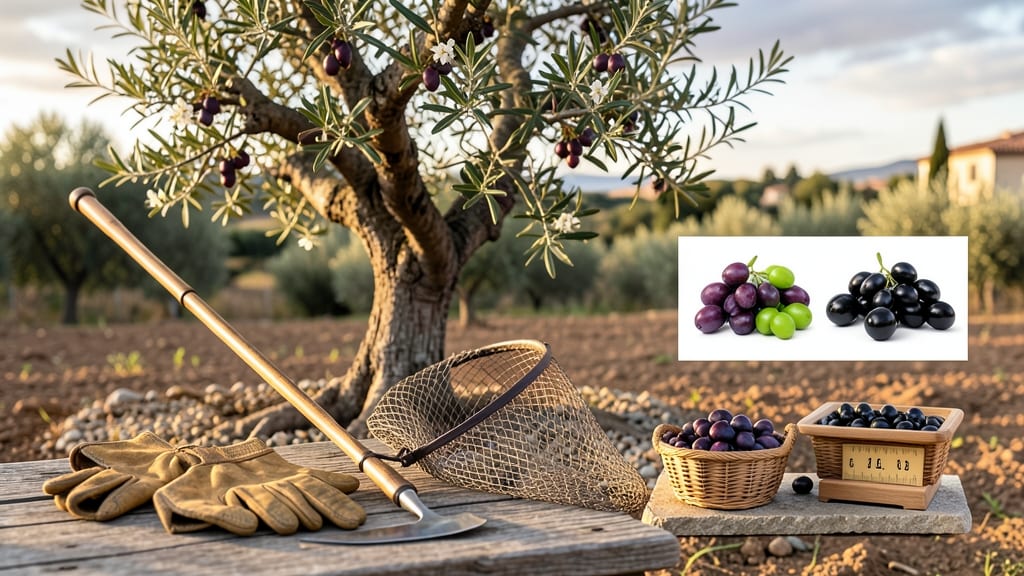
To pick olives at the perfect moment means waiting until they’re fully sized but still firm, with skin shifting from bright green to deep purple or black 🫒—a window that can mean the difference between gourmet table olives and bitter disappointment.
Picking olives at the wrong time can turn your harvest into bitter disappointment—or worse, wasted effort. But mastering the perfect moment to harvest, from color shifts to the legendary twist test, ensures olives that transform into gourmet delights instead of inedible pits.
Here’s the secret: most varieties reach peak flavor when they’re 1-2 inches long, with a slight give when squeezed but still firm enough to resist over-ripening. Mediterranean climates like Zone 8a-11 offer a broader harvest window from October to January, while cooler regions may need to act faster.
Below, I’ll break down the exact cues—color, firmness, and the twist test—plus how climate and variety change the timing. By the end, you’ll know exactly when to reach for that ladder and start harvesting olives that taste like sunshine.

Olive harvest timing: color, firmness & twist test explained
Determining the perfect olive harvest time depends on three key factors: color, firmness, and the legendary twist test. Unlike many fruits, olives don’t ripen after picking, so timing is everything. Green olives (like Manzanillo) need harvesting early, while black olives (like Kalamata) mature later—sometimes by months.
In Mediterranean climates, harvests often begin in October, but California’s milder winters can extend this to January.
Climate plays a surprising role—cooler regions like USDA Zone 8 may delay harvests until December, while hotter zones (9-11) can start as early as September. Even rainfall patterns matter: wet seasons can soften olives prematurely, making them prone to spoilage.
That’s why I always check three ripeness signs before harvesting: color consistency, pit firmness, and the twist test’s telltale snap.
🌱
The twist test is my foolproof trick for black olives. Hold an olive between your thumb and forefinger, then twist gently. If it snaps cleanly (not mushy or fibrous), it’s at peak ripeness.
This test works because ripe olives have higher oil content, making their flesh slightly more pliable. For green olives, skip the twist—focus instead on uniform color and firmness.
Regional differences matter too. In California’s Central Valley, where winters are milder, olives often ripen 2–4 weeks later than in Southern Italy. I once harvested Arbequina olives in November in my Zone 9 garden, but a friend in Tuscany told me they’d already been picked in October.
Climate isn’t just about temperature—humidity levels also affect ripening speed.
Overripe olives are a nightmare to cure. They’ll turn mushy, leak oil, and ferment faster, ruining your brine or curing process. That’s why I always pick a small test batch first. If the olives squeeze out oil when pressed or smell rank, they’re past their prime.
For green olives, this means harvesting before they turn yellow; for black olives, it’s about catching them just before they soften.
Pro tip: Shake the tree first. Mature olives will detach easily when you gently shake the branches. If
Best months to pick olives by variety & climate Zone
Timing your olive harvest depends on variety, climate zone, and whether you’re growing for green table olives or black oil olives.
In USDA Zones 8-10, most varieties ripen from October through January, while cooler Zone 7 gardens may need to harvest as early as September to avoid frost. The key? Watch for size, color, and the twist test—more on that below.
Southern California’s Zone 9-10 gardens often enjoy a longer harvest window, with Arbequina and Manzanillo varieties ready by November. In contrast, Kalamata olives in Zone 8 may not reach peak ripeness until December or January.
Even within the same zone, early-season and late-season varieties exist—so always check your tree’s specific needs.
For Zone 7 gardens, act fast—Mission olives and early Manzanillos may ripen by September, especially if your fall brings early frosts. In Zone 10, you might extend harvesting into February, but watch for rainfall—wet olives spoil faster.
Always check the twist test: a ripe olive should twist off the branch with a slight pull but not snap.
Pro tip: Morning harvests in dry weather prevent mold. Store freshly picked olives in mesh bags in a cool, shaded spot for up to a week before curing. If you’re unsure about timing, pick a small test batch first—taste test the flesh firmness and bitterness level to gauge readiness.
Remember, olives continue ripening off the tree, so don’t wait too long—overripe olives become mushy and lose flavor. Plan your harvest around moon phases (full moon = best for fruit trees) and local olive festivals if you’re selling your crop.
With the right timing, your homegrown olives will rival store-bought—and maybe even win a blue ribbon!