
Picking
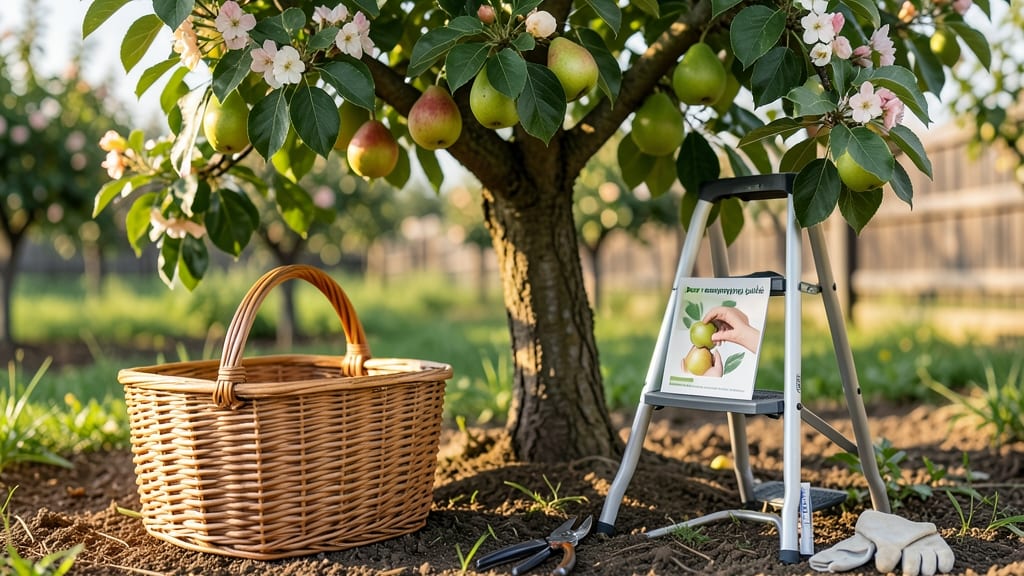
Picking pears in Michigan at the right time means the difference between a sweet, juicy bite and a mealy disappointment — and the exact week-by-week schedule depends on your variety and microclimate.
Timing is everything when harvesting pears in Michigan—pick too early, and you’ll miss peak sweetness; too late, and they’ll turn mealy. Mastering the exact week-by-week schedule ensures juicy, flavorful fruit every season.
Bartletts, the classic choice for many gardeners, typically ripen in late August to early September in southern Michigan, while northern zones like 5b may need to wait until mid-to-late September. Anjou and Bosc varieties follow a slightly later timeline, often peaking in September or early October.
Below, I break down the exact weeks for each variety, how to spot ripeness with simple tests, and how to adjust for early frosts. You’ll never miss the perfect harvest again.

Michigan pear ripening timeline: exact weeks by variety (Bartlett, Anjou, Bosc, and more)
Michigan's diverse climate means your pear harvest window can shift by 2-3 weeks depending on whether you're in northern Lower Peninsula or southern Michigan. Understanding these variety-specific timelines ensures you catch pears at their peak—when they're juicy, sweet, and perfect for fresh eating or preserving.
Most Michigan pear varieties ripen between late August and October, but frost risks after mid-October mean northern growers should harvest Anjou and Bosc varieties by early October.
Southern Michigan gardeners enjoy a 2-week extension for frost-sensitive varieties like Bartlett. Let's break down the exact weeks for each popular variety.
| Variety | Northern Michigan Harvest Window | Southern Michigan Harvest Window | Key Ripening Cues |
|---|---|---|---|
| Bartlett | Late Aug - Early Sep | Early Sep - Mid Sep | Yellow skin, easy stem release, sweet aroma |
| Anjou | Early Sep - Mid Sep | Mid Sep - Late Sep | Red blush, firm but yielding flesh, mild sweetness |
| Bosc | Mid Sep - Early Oct | Late Sep - Mid Oct | Green/yellow, elongated shape, crisp texture |
| Seckel | Early Aug - Late Aug | Late Aug - Early Sep | Small size, yellow-green, very sweet |
| Moonglow | Mid Sep - Late Sep | Late Sep - Early Oct | Yellow with red blush, firm, honey-like flavor |
Bartlett pears are Michigan's most popular variety, and they're also the earliest to ripen. In northern Michigan, I recommend harvesting them by early September to avoid frost damage, while southern Michigan gardeners can wait until mid-September. These pears are highly perishable once picked, so plan to use them within 1-2 weeks unless you store them properly.
For Anjou pears, which are more cold-hardy, northern growers should harvest between early and mid-September. Southern Michigan's warmer microclimate allows Anjou pears to ripen 2 weeks later, making them a favorite for late-season harvests.
These pears store exceptionally well, maintaining quality for up to 3 months in ideal conditions.
The Bosc variety is my personal favorite for its crisp texture and spicy-sweet flavor, but it requires careful timing. Northern Michigan's shorter growing season means Bosc pears should be harvested by early October, while southern growers can extend the window until mid-October.
Watch for the skin to turn golden-green and the fruit to yield slightly when pressed.
If you're growing Seckel pears, you'll have the earliest harvest of all varieties. These tiny, sweet pears ripen in early to late August in northern Michigan and late August to early September in the south.
Their quick ripening makes them perfect for fresh eating but challenging for long-term storage. I always harvest these first to enjoy their unique flavor before other varieties mature.
For those in northern Michigan, remember that first frost dates can arrive as early as mid-October in inland areas. If you're unsure about your exact frost date, consult the USDA Plant Hardiness Zone Map for your specific location.
In Zone 5b (common in northern Michigan), I recommend harvesting all frost-sensitive varieties by early October to avoid damage.
Southern Michigan's longer growing season in Zones 6a-6b gives gardeners an advantage. Here, you can safely harvest Bosc and Anjou pears until mid-October without frost concerns. However, always monitor your local weather forecasts—unexpected cold snaps can arrive even in southern regions.
I keep a portable thermometer handy to track nighttime temperatures during harvest season.
Pro tip: If you're unsure whether your pears are fully ripe, perform the
5 Key signs your Michigan pears are ready to harvest (beyond the calendar)
Don’t rely solely on the calendar when harvesting pears in Michigan—visual cues and physical tests are your best tools. Michigan’s variable frost dates mean pears can ripen weeks earlier or later than expected.
I’ve harvested Bartletts in late August one year and Anjou pears in October the next, all on the same tree!
The 5 key signs below will help you determine ripeness without guessing. These tests work for all pear varieties grown in Michigan, from Bosc to Seckel. Master them, and you’ll never pick a mealy pear again.
🍐 5 Signs Your Pears Are Ready to Harvest
- 🟡 1. Skin Color Change: Pears develop their full variety-specific hue (e.g., Bartletts turn golden-yellow, Bosc stay green but darken). Use this as your first clue—no green patches should remain.
- 👆 2. Gentle Stem Twist Test: Grasp the pear’s stem and gently twist. If it separates cleanly with minimal force, it’s ready. If the stem resists or snaps, wait 3-5 days.
- 🍯 3. Sweet Aroma: Hold a pear near your nose—ripe pears emit a sweet, floral scent. A neutral or sour smell means it’s not ready. This is especially critical for Anjou varieties.
- 🍐 4. Slight Give When Pressed: Press the pear’s blossom end (opposite the stem) with your thumb. It should feel slightly soft but not mushy. A hard pear needs more time.
- ❄️ 5. Frost Adjustment: If a light frost is forecast within 7 days, harvest 2-3 days early—pears won’t ripen further off the tree. For hard frosts, pick immediately, even if not fully ripe.
For early frost years, prioritize the stem twist test and aroma check—these two signs are the most reliable when time is tight. I’ve saved entire harvests by acting on these cues before the first frost hit.
Pro tip: Harvest in the morning when temperatures are coolest. Pears store best when picked before 10 AM, and the skin stays firmer longer. Avoid harvesting after rain—wet pears bruise easily.
Once you’ve confirmed ripeness, handle pears gently to prevent bruising. Store them at 30-32°F with 90% humidity to extend freshness. With these tests, you’ll never miss peak flavor again!