
How To
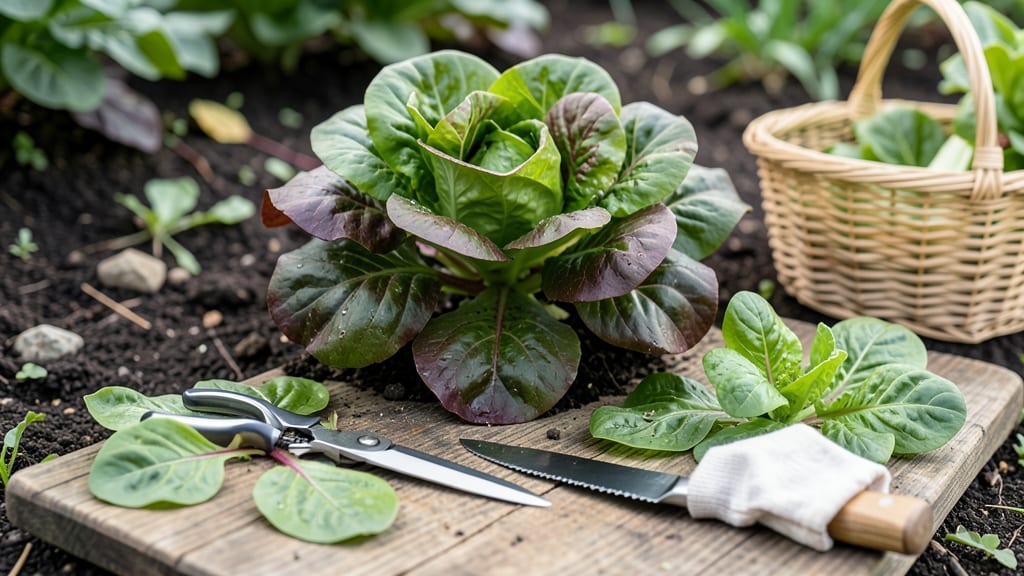
To properly harvest lettuce 🥬, you’ll want to pull leaves when they’re crisp, vibrant, and ready to eat—but timing and technique make all the difference.
Picture this: you’ve nurtured your lettuce for weeks, only to cut it too early and end up with limp, bitter greens. Or worse, you wait too long, and the plant bolts, sending up bitter flower stalks.
The secret to avoiding these mistakes? A simple trick called the stem snap test, which tells you exactly when to harvest for peak flavor and texture.
Harvesting at the right time isn’t just about taste—it’s also about extending your crop. With the right methods, you can encourage regrowth in cut-and-come-again varieties, ensuring a steady supply of fresh lettuce all season long. Plus, knowing how to store your harvest properly keeps it crisp for days.
In this guide, I’ll walk you through the stem snap test, the best tools to use, and step-by-step techniques to harvest without damaging your plants. You’ll also learn how to revive stressed lettuce and avoid common pitfalls that ruin your crop.

The stem snap test: how to identify perfectly ripe lettuce
There's nothing worse than biting into a lettuce leaf that's either mushy and overripe or bitter and underdeveloped. The stem snap test is my foolproof method to determine when lettuce is at its peak—crisp, flavorful, and ready for harvest.
This simple technique works for both loose-leaf varieties like buttercrunch and head lettuces such as romaine or iceberg.
Timing is everything when harvesting lettuce. Morning is the best time to harvest because leaves are fully hydrated from overnight dew and haven't had a chance to wilt in the heat.
Avoid harvesting in the afternoon when temperatures rise, as this can cause stress and bitterness in the leaves. Pro tip: Harvest on cool, cloudy days to preserve freshness and texture.
Before grabbing your shears, check these visual cues to confirm readiness: leaves should be deep green or vibrant in color, fully sized but not overly large, and free of yellowing or brown spots.
For head lettuces, the head should feel firm and compact, not loose or floppy. If you see bolting stems (tall flower stalks), it's too late—the lettuce has gone to seed.
How to Perform the Stem Snap Test
- Grasp the base of the lettuce plant near the soil line with your thumb and forefinger.
- Apply gentle pressure and bend the stem slightly—don't pull or twist.
- Listen for the snap: A clean, crisp break means the lettuce is perfectly ripe and ready to harvest.
- If it bends without snapping, the lettuce needs more time to mature (wait 2-3 days).
- If it snaps too easily, the plant may be stressed or overripe—harvest immediately.
For loose-leaf lettuces, you can harvest outer leaves first to encourage regrowth. Simply pinch or cut leaves at the base, leaving the inner leaves intact. This cut-and-come-again method works best for varieties like leaf lettuce or romaine, giving you multiple harvests over weeks.
For head lettuces, cut the entire head about 1 inch above the soil to avoid damaging the roots.
Bitterness is a common issue when lettuce is harvested too late or stressed by heat. To avoid this, harvest regularly and keep plants well-watered.
If your lettuce starts tasting bitter, try harvesting younger leaves or replanting for a fall crop when temperatures drop. Shade cloth can also help protect summer lettuce from bolting.
After harvesting, store lettuce properly to maintain freshness. Wrap head lettuces in a damp paper towel and place them in a plastic bag in the fridge for up to a week.
For loose-leaf varieties, rinse gently, dry thoroughly, and store in an airtight container with a paper towel to absorb moisture. Proper storage extends shelf life and keeps your lettuce crisp and ready for salads.
One of my biggest mistakes early on was waiting too long to harvest because I thought bigger meant better. But oversized lettuce often becomes woody, tough, and bitter. The stem snap test taught me to harvest at the right moment, ensuring the best flavor and texture.
Now, I can confidently pick lettuce that's perfect for sandwiches, salads, or wrapping tacos—no regrets!
Remember, consistency is key when harvesting lettuce. Check plants every 2-3 days during peak growing seasons (spring and fall) and use the stem snap test as your guide. With this method, you'll enjoy a steady supply of crisp, sweet, and perfectly ripe lettuce all season long. Happy harvesting!
Proper harvesting techniques to extend lettuce production
Now that you know when to harvest using the stem snap test, let's talk about how to actually harvest your lettuce without damaging the plant. The right technique makes all the difference between a fresh, continuous harvest and a struggling plant that bolts or dies back.
For cut-and-come-again varieties like leaf lettuce and romaine, proper harvesting encourages regrowth, giving you multiple harvests from a single planting.
Your choice of harvesting tools matters too. While some gardeners prefer using their hands, I recommend sharp garden scissors or pruning shears for precision. Dull tools can crush stems and invite disease.
Always sterilize your tools with rubbing alcohol between plants to prevent cross-contamination. For loose-leaf varieties, I use clean kitchen scissors because they're lightweight and easy to control in tight spaces.
Harvesting Methods: Pros and Cons
Hand Pinching
- Pros: Gentle on plant, no tools needed
- Cons: Less precise, can damage stems
Scissors Cutting
- Pros: Clean cuts, prevents disease spread
- Cons: Requires sharp tools, slight risk of nicking
Cut-and-Come-Again
- Pros: Extends harvest by 3-4 weeks
- Cons: Requires regular attention
For loose-leaf varieties, I always use the cut-and-come-again method. Simply cut the outer leaves about 1/3 of the way down the stem, leaving the inner leaves intact. This encourages the plant to produce more leaves from the center.
For head lettuces like iceberg or romaine, cut the entire head about 1 inch above the soil using a clean, sharp knife. Never pull the plant by the leaves—this damages the roots and can kill the plant.
Timing your harvests properly is crucial for regrowth. For cut-and-come-again varieties, harvest every 2-3 weeks during active growth. Always leave at least 2-3 inches of growth remaining to allow the plant to recover.
In hot weather, lettuce may bolt (send up flower stalks) if stressed. If this happens, harvest what you can and consider replanting for fall when temperatures drop below 80°F.
After harvesting, proper storage techniques keep your lettuce fresh. For head lettuces, wrap them in a damp paper towel and store in a plastic bag in the fridge for up to 7 days.
For loose-leaf varieties, rinse gently, dry thoroughly, and store in an airtight container with a paper towel to absorb moisture. To extend freshness, place harvested lettuce in the crisper drawer of your refrigerator where humidity is highest.
One of my biggest harvesting lessons came when I overharvested my romaine plants, leaving only tiny stumps. The plants never recovered and bolted within days. Now I follow the 30% rule: never remove more than 30% of the plant at one time.
This simple guideline has kept my lettuce producing for weeks longer than before. With these techniques, you'll enjoy a continuous supply of fresh, crisp lettuce all season long! 🥬