
How To
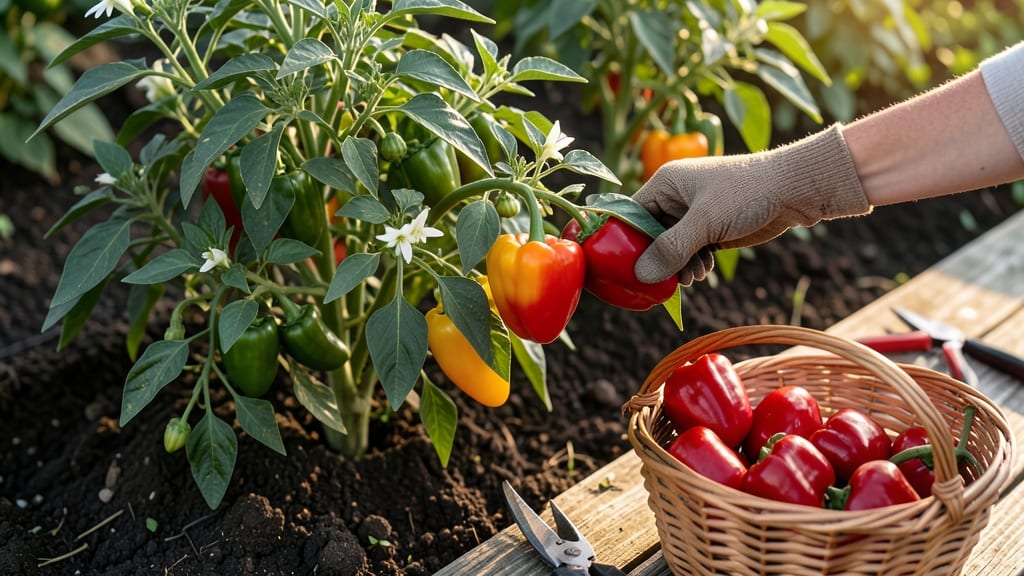
To pick peppers at their peak flavor and avoid the bitter, seedy disappointment of overripe fruit, timing is everything—especially when your plants are racing against heatwaves and bolting.
If you’ve ever bitten into a pepper that’s lost its sweetness or turned bitter too soon, you know timing is everything—especially when heatwaves threaten to send your plants bolting before peak ripeness.
The good news? A few simple cues—like color shifts, firmness, and stem changes—can tell you exactly when to reach for those 🌶️ beauties.
Whether you’re growing bell peppers for salads or fiery jalapeños for spice blends, the right moment to harvest makes all the difference. Too early, and you’re left with bland, underdeveloped fruit; too late, and you risk losing flavor to heat stress or pests.
Below, I’ll walk you through the visual and tactile signs that mean your peppers are ready, plus heatwave-proof tricks to stretch your harvest window and keep your plants productive—so you can enjoy that perfect crunch and sweetness all season long.

How to tell when peppers are ready to pick for maximum flavor
Picking peppers at the right moment transforms your harvest from meh to mouthwatering. The secret lies in combining visual cues with tactile tests—because a pepper’s color alone won’t tell the full story.
For example, a jalapeño might turn red but still taste bland if picked too late, while a bell pepper can turn bitter if harvested too early. Mastering these signals ensures you beat the clock, especially during heatwaves that accelerate ripening.
Start by checking the stem end. When it turns from green to brown or yellow, that’s your first green light. Next, examine the skin texture—it should feel firm but slightly yielding under gentle pressure, like a ripe avocado.
A pepper that’s too hard likely needs more time, while one that’s mushy has overstayed its welcome. These tactile clues work across sweet, spicy, and ornamental varieties, though exact timing varies by type.
Color changes are variety-specific but universally important. Bell peppers shift from green to red, yellow, or purple, while jalapeños deepen from green to red or even black. Habaneros turn bright orange or red, and ornamental peppers often develop striking patterns.
Pro tip: Morning sunlight enhances color vibrancy, so harvest in the early morning for the most accurate assessment.
Size matters too—peppers should reach their expected mature dimensions (e.g., 3-6 inches for bell peppers). Use your plant’s variety guidelines as a benchmark. For instance, a mini bell pepper is ready at 2 inches, while a giant bell needs closer to 8 inches.
If a pepper feels lightweight for its size, it’s likely underripe.
Heatwaves complicate things by speeding up ripening. In extreme heat (90°F+), peppers may mature 2-3 weeks faster than usual. Watch for wilting leaves or drooping fruit—these are red flags.
If your plants show stress, pick peppers early (even if slightly underripe) to prevent bolting (when plants focus on seeds instead of fruit). Store them at room temperature to finish ripening indoors.
| Pepper Type | Mature Color | Size Ready | Stem Cue | Texture Test |
|---|---|---|---|---|
| Bell Pepper | Red, yellow, purple, or green | 3–6 inches | Brown/yellow | Firm but yielding |
| Jalapeño | Green to red/black | 2–4 inches | Brown/yellow | Slightly waxy |
| Habanero | Orange/red | 1–2 inches | Brown | Thin, papery skin |
| Ornamental | Multi-color patterns | 1–3 inches | Dry, crisp stem | Crunchy when twisted |
| 🔥 Heatwave Tip: Pick 1–2 days early if leaves wilt or fruit softens. | ||||
Don’t overlook the twist test, a foolproof method for all pepper types. Gently twist the pepper near the stem—if it separates cleanly, it’s ready. If it resists, give it 3–5 more days.
This works even for immature peppers you want to harvest early (like jalapeños for pickling). For spicy peppers, wait until they’re fully colored to maximize capsaicin development.
Timing also affects flavor and storage life. Peppers picked at peak ripeness taste sweeter and more complex, while underripe ones can be mealy or bland. Overripe peppers may develop
Heatwave-proof pepper picking: avoiding bolting and preserving sweetness
When temperatures soar, your pepper plants face a critical choice: ripen fully or bolt prematurely. Heat stress accelerates ripening, often turning sweet peppers bitter or causing them to shrivel before reaching peak flavor. The key is recognizing when to pick early to preserve sweetness and prevent wasted effort.
Extreme heat forces plants to prioritize seed production over fruit quality. If left unchecked, your bell peppers might turn mealy, or jalapeños could lose their signature kick. The good news? Strategic adjustments—like shade cloth and deep watering—can buy you weeks of optimal harvests.
If your pepper plants show 3+ signs of stress, it’s time to harvest—even if the peppers aren’t fully ripe. Watch for:
- Yellowing leaves (especially older ones)
- Drooping stems despite morning watering
- Premature color changes (e.g., green peppers turning red too fast)
- Stunted growth or flower drop
Start by providing afternoon shade with 30-50% shade cloth to lower leaf temperatures by 10-15°F. This simple trick slows ripening and prevents sunscald on exposed fruit. Pair it with mulching (2-3 inches of straw or wood chips) to retain soil moisture and keep roots cool.
Your watering schedule needs an upgrade during heatwaves. Instead of light daily sprinkles, switch to deep, infrequent watering—aim for 1-2 inches of water per week, delivered early in the morning. This encourages deep root growth and reduces blossom-end rot, a common heat-related issue.
Monitor your plants for early morning wilting, a red flag for heat exhaustion. If leaves feel papery or crisp to the touch, your peppers are struggling. Harvest any mature fruit immediately and prune damaged leaves to improve air circulation.
For container-grown peppers, move pots to a shaded patio during peak heat (10 AM–4 PM).
Pro tip: Use a fan (set to low) near your pepper patch to mimic a gentle breeze. This increases transpiration, helping plants cool down naturally. Pair it with foliar spraying (early morning only) to lower leaf temperatures by 5°F—just mist leaves lightly with water.