
Picking
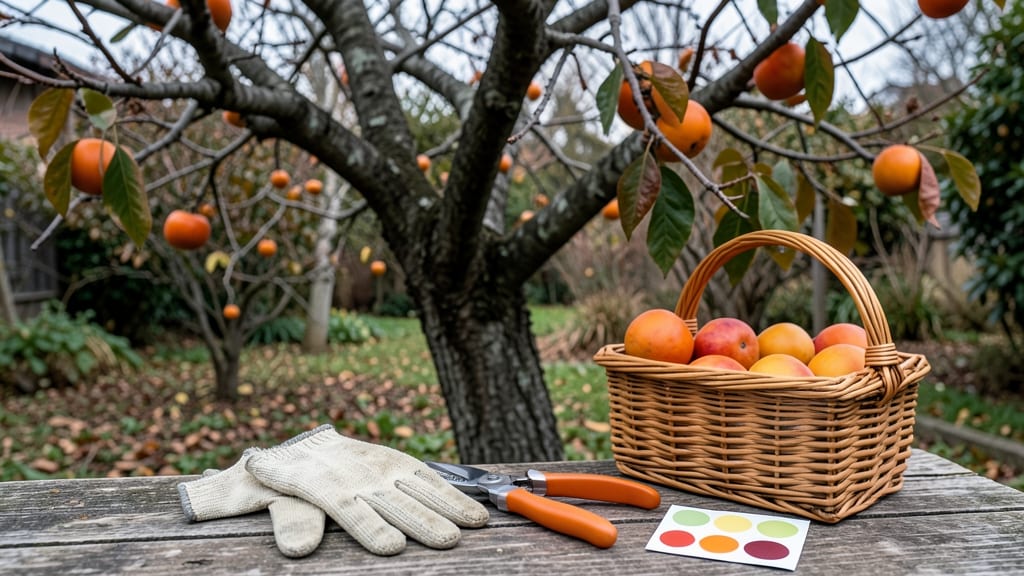
To pick persimmons at their sweetest, wait until they’re fully colored and just beginning to soften—usually between late October and November in most regions.
Struggling to decide when your persimmons are finally ripe enough to eat—only to find them still rock-hard and bitter? You’re not alone. Mastering the perfect harvest time ensures sweet, velvety fruit every season, and these two foolproof tests will transform your guesswork into gardening confidence.
The key is watching for color change—from green to deep orange or red—and a slight give when you press gently. But timing matters even more: pick too early, and you’ll deal with astringent, inedible fruit; too late, and they’ll spoil on the tree.
Here’s how to test ripeness, avoid common mistakes, and store your harvest for the best flavor—plus regional tips for USDA Zone 6a growers like you.

2 Simple tests to determine when persimmons are perfectly ripe
Persimmons are tricky—pick them too early, and you’ll end up with astringent (that dry, mouth-puckering) fruit. Too late, and they’ll rot on the tree. The secret lies in two simple tests: color change and firmness.
These methods work for both astringent varieties (like Hachiya) and non-astringent types (such as Fuyu), but the timing and texture cues differ slightly.
For non-astringent persimmons, you can eat them when fully colored and firm—no waiting needed. But astringent varieties require a full ripening process, often after harvest. Knowing these distinctions will save you from bitter disappointments and ensure your harvest is sweet, velvety perfection.
How to Test Persimmon Ripeness: Step-by-Step
- Step 1: Observe the Color
Check for a deep orange or red hue (non-astringent) or bright orange with no green (astringent). Green or patchy colors mean wait at least 1-2 weeks.
- Step 2: Perform the Hardness Test
Press gently near the stem. If the fruit yields slightly (like a ripe avocado), it’s ready for non-astringent types. For astringent varieties, it should still feel firm but not rock-hard.
- Step 3: Twist to Test Readiness
Grasp the fruit and twist gently. If it separates easily from the tree, it’s harvest-ready. If it resists, wait 3-5 more days.
- Step 4: Check the Calyx (Top Cap)
For astringent persimmons, the calyx should soften and pull away slightly. If it’s still tight, the fruit needs more time on the tree.
- Step 5: Monitor Weather
Cool nights (50-60°F) and sunny days speed up ripening. In USDA Zone 6a, aim for late October to early November for peak flavor.
Timing is everything—harvest too early, and astringent persimmons will taste like dry, sawdust. Too late, and the fruit may split or spoil. The hardness test is your best friend here: a ripe persimmon should give just enough to avoid bruising when pressed.
Pro tip: If you’re unsure, pick a few fruits and let them ripen indoors. Place them in a paper bag with a banana or apple to speed up the process with ethylene gas. Check them every 2-3 days until they soften.
For astringent varieties, ripening after harvest is a must. Once fully colored, store them in a cool, dry place (like a basement) for 2-4 weeks. They’ll soften naturally and develop that custard-like texture we all love.
Regional note: In warmer climates (like Zone 8+), persimmons may ripen earlier—watch for first frost warnings to avoid losing your crop. In colder areas (Zone 5 or below), a light frost can actually enhance sweetness, so don’t rush to pick!
Remember, persimmons are not climacteric like bananas—they won’t ripen further once picked if underripe. That’s why these tests are non-negotiable for a perfect harvest.
Once you master these two tests, you’ll never second-guess persimmon ripeness again. Happy harvesting—and enjoy that sweet, jammy goodness without the bitter surprises! 🍊🌿
Why persimmons stay hard: common mistakes and how to avoid them
Even after mastering the color change and firmness tests, some persimmons remain stubbornly hard—leaving you with fruit that’s inedible or disappointingly bland. The most common culprit? Picking too early, especially with astringent varieties like Hachiya.
These need that extra time on the tree (or post-harvest) to soften properly, while non-astringent types like Fuyu can be eaten firm.
Another frequent mistake is confusing variety traits. Non-astringent persimmons stay firm when ripe, but astringent ones must become pliant—like a ripe peach—to lose their astringency. Mixing these up leads to frustration. Even proper storage can fail if you don’t account for humidity levels or temperature fluctuations during ripening.
⚠️ WARNING: Don’t Pick Too Early!
Astringent persimmons (Hachiya) must stay on the tree until fully colored and calyx softens. Picking green fruit guarantees bitter, inedible results. For non-astringent (Fuyu), harvest when fully orange but still firm—never wait for softness!
Storage mistakes are equally damaging. Astringent persimmons need cool (55-65°F) and humid conditions to ripen properly. Storing them in direct sunlight or near heat sources can cause uneven ripening or spoilage. Even worse, some gardeners refrigerate them too soon—this halts ripening entirely for astringent types.
Here’s my foolproof fix: For astringent persimmons, harvest when fully colored but still firm, then store in a paper bag with a banana or apple to generate ethylene gas. Check every 3-5 days until they yield slightly when pressed. Non-astringent types? Eat them immediately—they won’t soften further.
Regional climate plays a huge role too. In USDA Zone 6a, first frosts can enhance sweetness—but only if you’ve waited for proper ripening cues. A light frost on unripe fruit makes it mushy, not sweeter. Always monitor your local first frost dates and adjust harvest timing accordingly.
Pro tip: If your persimmons still feel hard after 4 weeks of storage, they’re likely underripe. Discard them—they won’t improve. For next season, label your trees (astringent vs. non-astringent) and track ripening progress with a garden journal to avoid repeating mistakes.
Remember: Persimmons are not like tomatoes—they won’t magically soften on the counter. Give them the right conditions, and you’ll go from hard-as-rock failures to velvety perfection every harvest. The key is patience and precision! 🍊🌳