
How To
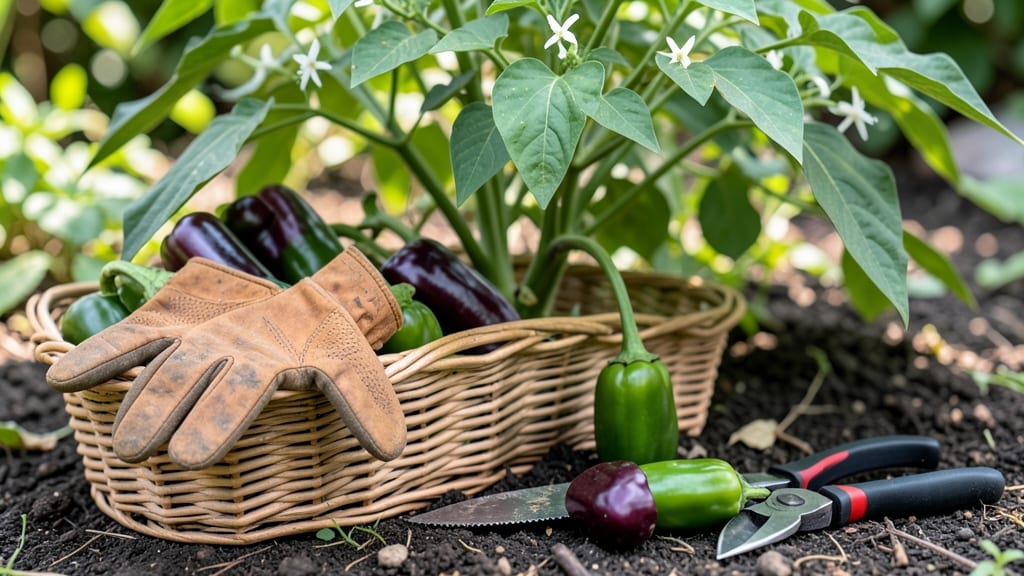
To pick poblanos at the perfect moment means capturing their bold, earthy flavor before they turn bitter or mealy — and missing that window means bland dishes no matter how you cook them.
You’ve spent months nurturing your 🌶️ Poblano Pepper plants, but one wrong harvest can ruin all that effort. The secret? A simple flex test and watching for color shifts from green to yellow or red, depending on your climate zone.
In USDA Zone 6a, your harvest window runs from July through October, but timing is everything. Pick too early, and the peppers lack depth; wait too long, and they lose their signature smoky sweetness.
Below, I’ll walk you through the exact cues to harvest — from size and firmness to color — so you’re left with poblanos that shine in everything from salsas to stuffed peppers.

How to test poblano ripeness using the flex method (Step-by-Step guide)
The flex test is the gold standard for determining when to pick poblanos—it’s faster than waiting for color changes and more reliable than guessing by size. This method lets you feel the pepper’s readiness, ensuring you harvest at peak flavor and texture.
Unlike other peppers, poblanos don’t always ripen to red or yellow, so the flex test is your best tool for consistency.
Start by selecting a mature-looking poblano that’s at least 3 inches long. Look for a glossy skin and a firm shape—these are early signs of ripeness. The flex test will confirm whether it’s truly ready or needs more time on the plant.
If you harvest too early, your poblanos will taste bland; too late, and they’ll become tough or bitter.
Here’s how to perform the test correctly: hold the pepper gently between your thumb and forefinger, then apply light pressure to the sides. The key is to feel for resistance—if the pepper slightly bends but doesn’t give way, it’s ready.
If it feels rock-hard or mushy, it’s not quite there yet. This test works best in the morning when peppers are firmest.
Step-by-Step Flex Test for Poblano Ripeness
- 📏 Step 1: Choose a pepper – Pick a poblano that’s 3–4 inches long with a glossy, firm skin.
- 🤲 Step 2: Hold gently – Grasp the pepper midway between seeds using your thumb and forefinger.
- 🤏 Step 3: Apply light pressure – Squeeze the sides gently but firmly—think of it like testing a ripe avocado.
- ✅ Step 4: Check resistance – If it bends slightly but doesn’t dent, it’s ready. If it springs back, wait 2–3 days.
- 🌶️ Step 5: Harvest immediately – Twist the pepper gently at the stem—it should snap off cleanly.
- 📅 Step 6: Repeat daily – Check your poblanos every 2–3 days during peak harvest season (July–October).
💡 Pro Tip: Harvest in the morning for the freshest flavor and firmest texture.
If your poblano passes the flex test but still looks green, don’t worry—green poblanos are fully ripe and perfect for stuffing or grilling. The flex test focuses on firmness over color, which is especially useful in cooler climates where poblanos may never turn red or yellow.
Over time, you’ll develop a feel for the perfect pressure—it’s like learning to read your plants’ language.
For gardeners in USDA Zone 6a, timing is critical because cooler temperatures can slow ripening. If your poblanos are taking longer than 75–90 days to mature, consider using a row cover to extend the growing season.
The flex test becomes even more valuable here, as it compensates for slower development. Always harvest before the first frost (around October 30 in Zone 6a) to avoid flavor loss.
Once you’ve mastered the flex test, you’ll notice a difference in flavor—firm, glossy poblanos have a bold, earthy taste with just a hint of heat, while overripe ones taste bitter or mealy.
Store harvested poblanos in a cool, dark place for up to 2 weeks, or freeze them for later use. The flex test isn’t just about timing; it’s about respecting the plant’s natural rhythm and rewarding yourself with the best-tasting poblanos possible.
Practice the flex test on a few poblanos to get comfortable with the ideal pressure. Over time, you’ll recognize the subtle differences between underripe, perfectly ripe, and overripe peppers.
This skill will save you from wasting effort on peppers that aren’t ready—and ensure your kitchen is always stocked with the best poblanos for your favorite recipes.
Remember, the flex test is your secret weapon for consistent harvests, even if your poblanos never change color. Whether you’re growing them in containers or a full garden bed, this method guarantees you’ll pick them at their peak. Now grab your gloves, head to the garden, and start testing!
Poblano color chart: when to harvest by stage (green, yellow, red, black)
While the flex test is foolproof for ripeness, poblano peppers also reveal their readiness through color changes—each stage offering unique flavor profiles. In USDA Zone 6a, your poblanos may stay green, turn yellow, or deepen to red or even black, depending on heat exposure and variety.
Understanding these shifts helps you decide whether to harvest for mild, earthy green poblanos or wait for sweeter, smokier red varieties.
Green poblanos are the most common harvest stage, fully ripe and ready for stuffing or grilling. They pack a bold, slightly sweet flavor with minimal heat (500–1,500 SHU), making them versatile for both raw and cooked dishes.
If left on the plant, some varieties will transition to yellow, red, or even black—each stage bringing deeper sweetness and slightly reduced heat.
Here’s how to use color as a guide alongside the flex test, including flavor notes and best uses for each stage:
| Stage | Color | Flavor Profile | Heat Level (SHU) | Best Uses | Harvest Tip |
|---|---|---|---|---|---|
| Green | Dark to light green | Earthy, slightly sweet, mild heat | 500–1,500 | Stuffed peppers, grilling, salsas | Harvest when 3–4" long and firm |
| Yellow | Pale yellow | Sweeter, fruity, mild heat | 1,000–2,000 | Roasting, sauces, fresh eating | Wait until fully yellow and glossy |
| Red | Deep red | Smoky, sweet, minimal heat | 500–1,000 | Drying, powders, stuffed peppers | Harvest when fully red and firm |
| Black | Dark purple-black | Intense, smoky, complex | 1,000–1,500 | Drying, specialty dishes | Rare; harvest when fully mature |
In cooler climates like Zone 6a, poblanos may never turn red or black—don’t panic! Green poblanos are still fully ripe and perfect for cooking. However, if your plants thrive in hotter zones (7b+), you’ll see more color transitions.
The key is to combine the flex test with color cues: a yellow poblano that passes the flex test is sweeter than a green one, while red poblanos offer a smoky depth ideal for drying or powders.
Pro tip: If you’re growing poblanos for long-term storage, let them ripen to red or black—they dry beautifully into ancho or pasilla peppers, prized for their complex flavors. For immediate use, green poblanos are your best bet, especially in shorter growing seasons.
Always harvest in the morning when peppers are firmest, and store them in a cool, dark place to preserve freshness.
Next time you’re deciding whether to pick your poblanos, glance at their color and give them the flex test. This combo ensures you’re harvesting at the perfect stage for your dish—whether you’re stuffing them, grilling, or drying them for future use.
The more you observe, the easier it becomes to read your plants’ signals and enjoy their full potential.