
How To
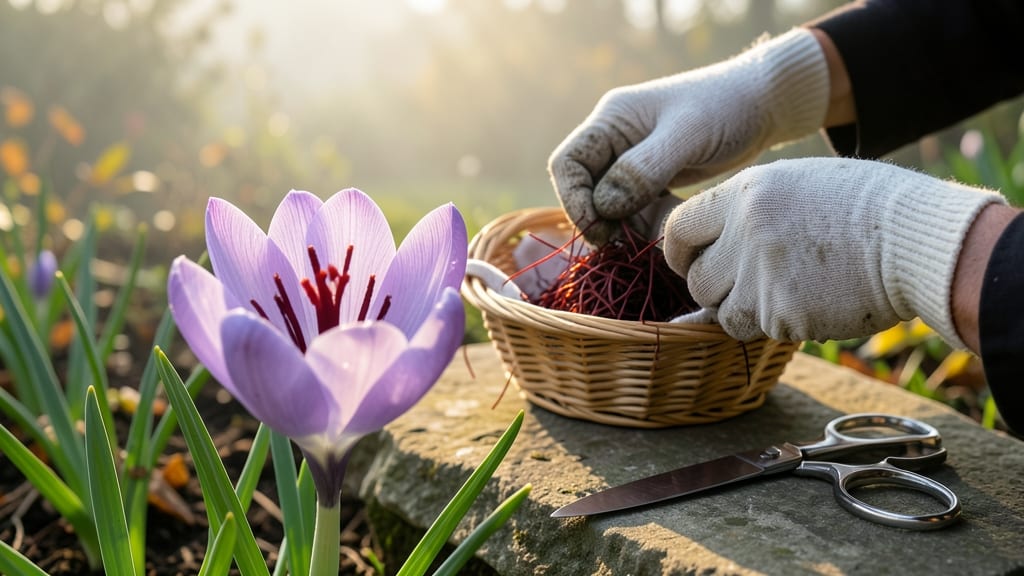
To pick saffron at its peak, wait until the 🌼 Saffron Crocus blooms with deep crimson stigmas but still holds its petals closed—usually in late summer to early fall.
You’ve got just 7 to 10 days to harvest before the flowers bolt, turning your golden crop into a bitter disappointment. Miss this window, and those precious stigmas will wilt into dust.
Look for three key signals: stigmas that are deep red-orange, petals starting to wilt, and threads that detach easily. These clues mean your saffron is ready to be hand-picked for maximum potency.
In this guide, I’ll show you how to spot these exact moments, the best weather conditions for harvesting, and what happens if you wait too long—or pick too soon.

3 Exact visual clues to harvest saffron before bolting
Saffron’s fleeting harvest window demands precision—just 7 to 10 days separate peak ripeness from wasted effort. The key lies in three visual signals that reveal when the 🌼 Crocus sativus flower is ready to yield its prized stigmas.
Miss these cues, and you’ll end up with bitter, underdeveloped threads instead of the aromatic gold we crave.
First, you’ll need to understand that saffron stigmas are delicate and time-sensitive. Once the flower begins to wilt, the stigmas lose their potency and flavor. That’s why I always tell gardeners: harvest early in the morning when the stigmas are fully hydrated but the petals haven’t fully opened.
Here’s the critical part: the stigmas must be deep crimson-red, not pale yellow or green. This color shift signals full maturity and maximum flavor compounds. Pair that with slightly curled petals, and you’ve got the perfect storm for a successful harvest.
🔍 Numbered Highlights: 3 Foolproof Signs Your Saffron Is Ready
- 1. Crimson Stigmas: Stigmas turn deep red-orange (not green/yellow). Use a magnifying glass if needed—immature stigmas are pale and flavorless.
- 2. Partially Open Petals: Petals begin to curl outward but remain closed at the tips. Fully open flowers mean the stigmas are already drying out.
- 3. Wilted Flower Shape: The entire flower drops slightly (like a nod), and stigmas detach easily when gently touched. This signals peak ripeness before bolting.
Pro Tip: Harvest on dry, cloudy mornings—never after rain—to avoid moisture damage to the delicate threads.
Let me stress this: overripe stigmas lose their aromatic oils and turn dusty. If you see the flower’s petals fully unfurling or the stigmas crumbling at the touch, you’ve already missed your window. That’s why I always check my saffron crops daily during the harvest season.
Another trick I swear by? Gently shake the flower—if the stigmas fall into your hand with minimal pressure, they’re ready. This test saves me from picking too early or too late every season. The stigmas should feel plump and firm, not brittle.
Timing also depends on your climate zone. In USDA Zone 6a, saffron typically blooms in late September to early October. But if you’re in a warmer zone, like Zone 8, you might see flowers as early as mid-August.
Always adjust your harvest schedule based on local weather patterns.
One common mistake I see is picking saffron when the stigmas are still greenish. These underdeveloped threads taste bitter and lack the complex aroma we love.
To avoid this, I mark my calendar for 3 weeks after the first blooms appear—that’s when the majority of flowers will hit peak ripeness.
Finally, remember that saffron stigmas are hand-harvested only. Avoid using scissors or tools—they’ll damage the delicate threads. Instead, use your fingers or tweezers to gently pluck the stigmas from the flower’s center. This careful approach ensures you preserve the integrity of the threads for drying.
Once you’ve mastered these three visual clues, you’ll never miss a harvest again. The difference between bitter disappointment and golden success comes down to spotting these signs—and acting fast. Now, grab your magnifying glass and get ready to transform those blooms into the world’s most valuable spice! 🌼
Best time of day and weather conditions for picking saffron
Timing your saffron harvest isn't just about catching the right visual cues—it's also about weather conditions and time of day. I've learned the hard way that harvesting at the wrong moment can ruin your entire crop.
The delicate stigmas absorb moisture quickly, and direct sunlight can make them brittle before they even dry.
For the best results, I always pick saffron early in the morning—between 6:00 AM and 9:00 AM. This is when the stigmas are fully hydrated from overnight dew but haven't yet been exposed to the drying effects of afternoon sun.
The cooler temperatures also help preserve the aromatic oils that give saffron its prized flavor.
⏰ Best Harvest Times: Morning vs. Afternoon
✅ Morning Harvest (6-9 AM)
- Pros: Stigmas fully hydrated, maximum aroma, less brittle
- Best for: Peak flavor and color intensity
- Weather: Dew present but evaporates quickly
❌ Afternoon Harvest (12-3 PM)
- Cons: Stigmas dry out faster, lose potency, become brittle
- Risk: Increased moisture loss, potential sun damage
- Weather: High heat accelerates drying process
☁️ Ideal Weather Conditions
✅ Cloudy Days
- Gentler drying process
- Preserves moisture content
- Reduces risk of brittleness
❌ Windy/Dry Days
- Accelerates moisture loss
- Can damage delicate threads
- Reduces overall yield
I've found that cloudy mornings with light winds are ideal for harvesting. The lack of direct sunlight prevents the stigmas from drying out too quickly, while the cooler temperatures help maintain their moisture content.
Avoid harvesting after rain showers—the excess moisture makes the stigmas heavier and more prone to mold during drying.
One trick I use is to check the morning dew on the flowers. If you see dew droplets on the stigmas, that's a good sign they're ready. But if the dew has already evaporated by 8 AM, the flowers might be past their prime.
Always harvest when the stigmas feel plump and firm to the touch—never when they feel dry or papery.
For gardeners in humid climates, I recommend harvesting slightly earlier in the morning (before 7 AM) to prevent moisture buildup. In arid regions, you might have until 9 AM, but always prioritize cloud cover over sunshine.
The goal is to preserve that delicate balance between hydration and dryness that makes saffron so valuable.
Remember that saffron stigmas are 90% moisture when freshly picked. This high water content means they'll dry out quickly in the sun, losing their vibrant color and aromatic compounds.
By harvesting at the right time, you're not just picking ripe flowers—you're preserving the essence of saffron's flavor for months to come. 🌼