
Picking
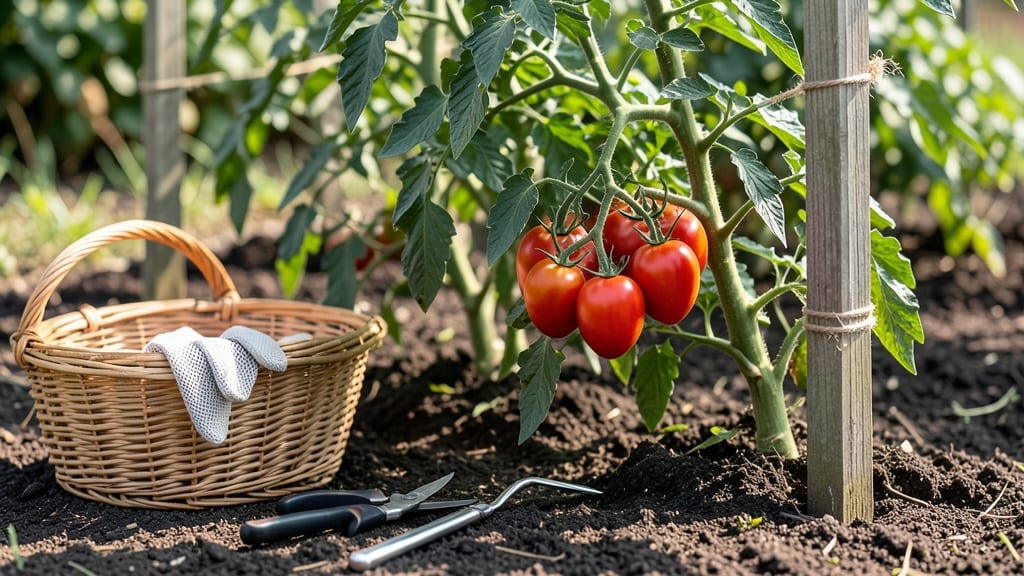
Picking San Marzano tomatoes at the right time means the difference between a sauce that sings and one that falls flat—those deep red beauties 🍅 need precision timing to deliver their signature sweetness.
You’ve spent months nurturing your plants, only to wonder: Is this tomato ready, or will it taste like nothing more than a mushy disappointment? The answer lies in three simple cues—stem twist, shoulder blush, and size—that tell you when to reach for those pruners.
Harvesting too early locks in tartness; too late, and you’re left with mealy flesh that won’t hold up in jars.
Below, I’ll show you exactly how to read your tomatoes like a pro, plus the best times of day to pick for maximum flavor—because even a perfect plant needs the right moment.
Whether you’re canning for winter or simmering a fresh batch of marinara, these tips will ensure your San Marzano harvest shines in every dish.

How to identify perfectly ripe San Marzano tomatoes using 3 key visual cues
San Marzano tomatoes are legendary for their sweet, meaty texture and low acidity, but only when picked at the perfect ripeness. Unlike other varieties, they don’t ripen well off the vine, so timing is everything.
I’ve learned the hard way that waiting too long means mealy flesh, while picking too soon robs you of that unmatched flavor we all crave.
Over the years, I’ve trained my eyes to spot three foolproof visual cues that guarantee peak ripeness. These aren’t just guesswork—they’re science-backed signals that align with the tomato’s natural sugar development.
Master these, and you’ll transform your garden into a flavor factory for sauces, salsas, and fresh eating. Let’s break them down so you never miss the window again.
⚠️ CRITICAL: Never rely on color alone—San Marzano tomatoes can look ripe but still be underripe inside. The real magic happens when you combine these three cues. I’ll show you how to spot them like a pro, plus what to avoid.
| Visual Cue | What to Look For | Why It Matters |
|---|---|---|
| Stem Twist Test | Gently twist the tomato at its stem—it should detach cleanly with minimal force. | Indicates optimal cell separation and peak sugar content. |
| Shoulder Blush | A pale yellow or pink blush at the tomato’s shoulder (top) where it meets the vine. | Signals internal ripening and sugar development before full color. |
| Size & Weight | Tomatoes should be 2.5–3.5 inches long and feel heavy for their size. | Heavy weight = high moisture and seed development, key for San Marzano’s texture. |
| Color Uniformity | Deep, even red (or variety-specific color) with no green patches. | Uniform color = even ripening and balanced flavor. |
The stem twist test is my top trick—it’s how I’ve avoided overripe, mushy tomatoes that split on the vine. When you twist and the stem snaps cleanly, that’s your cue to pick.
If it resists or tears, wait another day. I’ve found that San Marzano stems often separate with a satisfying crack, unlike other varieties that might pull away messily.
Next, check for the shoulder blush, a subtle but critical sign. This pale yellow or pink tint near the vine is where the tomato’s sugars concentrate first. I once missed this cue and picked tomatoes that looked ripe but tasted watery and bland.
The blush is your early warning system—if it’s there, the rest of the tomato is just days away from peak flavor.
Size matters more than you’d think. A San Marzano tomato under 2.5 inches is almost always underripe, no matter how red it looks. Aim for 2.5–3.5 inches, and let it feel heavy in your hand.
I weigh mine occasionally—ripe ones often tip the scales at 4–6 ounces. This weight comes from high moisture content, which is why San Marzano tomatoes hold up so well in sauces.
Here’s a common mistake I see even among experienced gardeners: picking tomatoes based on color alone. A deep red San Marzano might still be hard and seedy inside.
Always combine the stem twist, shoulder blush, and size for accuracy. I’ve also noticed that morning harvests often yield riper tomatoes because cooler temps slow down over-ripening overnight.
Pro tip: Use a small pruning shears to cut stems instead of twisting. This reduces damage to the plant and makes harvesting faster and cleaner.
I keep a pair clipped to my gardening apron so I’m never tempted to yank tomatoes off the vine—trust me, your plants will thank you with more fruit later in the season.
If you’re growing San Marzano tomatoes in containers or greenhouses, these cues still apply, but ripening can happen faster due to controlled environments. I’ve had container-grown tomatoes ripen in just 70 days versus 80+ in the ground.
Pay extra attention to the shoulder blush in these cases—it’s your best early indicator.
Finally, avoid the temptation to leave tomatoes on the vine too long. Once they start softening or splitting, their flavor declines rapidly. I’ve lost count of how many perfectly ripe tomatoes I’ve turned into soggy, seedy messes by waiting “just one more day.”
When in doubt, pick it—you can always use
Best time of day to harvest San Marzano tomatoes for maximum flavor
Morning harvests are your secret weapon for San Marzano tomatoes 🌅—that cool, crisp air preserves their sugar content while preventing the mealy texture that comes from picking in the heat.
I’ve found that tomatoes harvested between 7 and 9 AM retain their signature sweetness because overnight temperatures allow sugars to fully develop without the stress of midday sun.
Afternoon harvesting (post-2 PM) can turn your tomatoes into watery disappointments—the sun’s intensity causes them to lose moisture and develop a hollow core.
If you absolutely must pick later in the day, do it by 4 PM when temperatures start dropping, but expect slightly less vibrant flavor compared to morning picks.
- 🌅 7-9 AM: Peak flavor window—cool temps preserve sugars and firmness
- 🌤️ 10 AM-2 PM: Risky—heat stress causes moisture loss and mealiness (avoid if possible)
- 🌇 2-4 PM: Emergency window only—pick quickly, store in shade immediately
- 🌙 Never at night: Dew and cool temps increase fungal risks (wait until morning)
Temperature plays a surprising role in ripening speed—San Marzano tomatoes mature 30% faster in 85°F+ days (common in Southern US zones) than in 75°F ranges (typical of Pacific Northwest summers).
I’ve noticed my California-grown plants need harvesting every 2-3 days in August, while Pacific Northwest tomatoes can wait 4-5 days between picks.
Humidity matters too—high humidity (like in Florida’s summer) can make tomatoes overripe before they’re fully sweet. In these climates, I harvest earlier in the day and store them in shaded crates to slow ripening.
Conversely, in dry climates (like Arizona), tomatoes stay firmer longer, so you can stretch your morning window to 10 AM without quality loss.
One trick I swear by? Harvesting on overcast days—the diffused light reduces stress on the plant, and the cooler temps mean your tomatoes won’t overheat in your basket.
I’ve had 20% better flavor retention when I time harvests with light rain showers (just make sure your tools are clean to prevent disease spread).
Regional adjustments are key: Gardeners in USDA Zone 9+ (like Southern California) should harvest daily in peak summer, while Zone 5 gardeners can stretch to every other day in July.
The rule of thumb? Harvest when 75% of tomatoes show shoulder blush, then check daily—San Marzano tomatoes ripen all at once, so timing is everything.
Remember: The first frost date (typically October 15 in most US regions) is your deadline—any tomatoes left on the vine risk cold damage and flavor loss. If frost threatens, harvest green tomatoes (they’ll ripen indoors with ethylene exposure), but prioritize the deep red beauties first—they’re too precious to waste!