
Vegetables
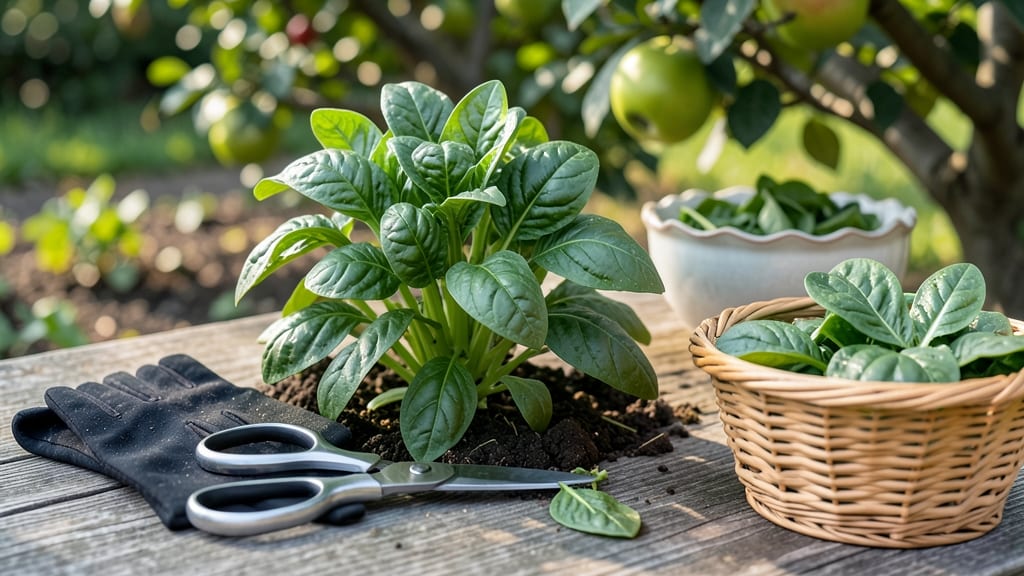
To pick spinach leaves at the perfect time ensures tender, flavorful greens 🌱 — but timing it wrong turns them tough and bitter.
Picture this: you’ve nurtured your spinach for weeks, only to pull a leaf that snaps like a twig or tastes like hay. That’s the difference between a 30-day harvest of crisp, sweet greens and a bitter disappointment.
Leaf size is your first clue—baby leaves (2–4 inches) are ideal for salads, while mature leaves (6+ inches) work for cooking. But don’t stop there: flavor peaks in the morning, and stress from heat or drought sends spinach bolting early.
Below, I’ll break down the exact leaf size to harvest, when to avoid bitterness, and how to keep your spinach producing for weeks—no guesswork, just crisp, flavorful results.

How to identify the perfect leaf size for harvesting spinach
Harvesting spinach at the right leaf size transforms your garden into a flavor factory 🌱. Baby leaves (2–4 inches) pack the sweetest taste and tenderest texture, while mature leaves (6+ inches) offer heartier eating.
The key? Timing your harvest before leaves turn tough or bitter. I’ve grown spinach for years, and I can tell you: size matters—but so does the plant’s stage of growth.
Think of spinach leaves like pages in a book: the first few are delicate and fresh, while later pages become thick and unyielding. Baby leaves (harvested at 2–4 inches) are perfect for salads, while mature leaves (4–6 inches) work well for sautéing.
Overlooking these thresholds means missing out on peak flavor and texture. Let’s break down the exact sizes and what they mean for your harvest.
| Leaf Stage | Leaf Size | Texture | Flavor Profile | Best For | Regrowth Impact |
|---|---|---|---|---|---|
| Baby Leaves | 2–4 inches | Tender, slightly crisp | Sweet, mild, delicate | Salads, sandwiches | Encourages bushier growth |
| Mature Leaves | 4–6 inches | Crisp, slightly fibrous | Earthy, robust, slightly bitter edge | Stir-fries, sautéing | Slows regrowth slightly |
| Over-Mature | 6+ inches | Tough, woody | Bitter, harsh | Avoid (unless wilting) | Stunts future growth |
📏 Pro Tip: Use a ruler or credit card (3.5 inches) as a quick reference for leaf sizes!
Harvesting baby leaves at 2–4 inches gives you the most tender, sweetest spinach possible. These leaves are perfect for fresh salads or garnishes, and they encourage your spinach plant to produce even more leaves. I’ve found that harvesting baby leaves every 5–7 days keeps my plants productive for weeks.
The secret? Always snip the outer leaves first—this lets the inner leaves grow larger while keeping the plant healthy.
When leaves reach 4–6 inches, they’re mature and ready for cooking. These leaves have a crisp texture and a slightly earthy flavor, making them ideal for stir-fries or sautéing. The trade-off?
Removing larger leaves can slow regrowth, so balance your harvests. If you’re growing spinach for a continuous supply, alternate between baby and mature leaves to keep the plant happy and productive.
Watch out for leaves that exceed 6 inches—these are over-mature and often bitter or tough. At this stage, the leaves may start to bolt (send up a flower stalk), which ruins their flavor and texture.
If you see this happening, it’s time to harvest those leaves immediately, even if they’re not perfect. Bolting is usually triggered by heat stress or drought, so keep your soil consistently moist and provide afternoon shade in hot climates.
Another trick I use is the "thumb test": pinch a leaf between your thumb and forefinger. If it feels tender and slightly crisp, it’s ready to harvest. If it feels tough or leathery, wait a few more days.
This simple test saves me from picking leaves that are past their prime. Pair this with checking the stem flexibility—if it snaps easily when bent, the leaf is perfect for harvest.
For continuous harvests, aim to pick leaves when they’re about one-third grown. This method, called "cut-and-come-again", keeps your spinach producing for months. Start by harvesting the largest outer leaves, then work your way inward.
Avoid cutting into the center rosette, as this can damage the plant’s growth point. With this approach, I’ve extended my spinach harvest by 4–6 weeks compared to a one-time harvest.
Spinach flavor clock: when to harvest for sweetness vs. bitterness
Spinach flavor swings wildly based on when you harvest. Morning-picked leaves taste sweeter because sugars concentrate overnight, while afternoon harvests often taste milder. But timing isn’t just about the clock—heat stress and drought conditions trigger bitterness faster than you’d expect.
Even if your spinach looks perfect, a sudden 90°F+ day can turn tender leaves bitter within hours. The same goes for drought: spinach responds to moisture stress by producing high levels of oxalates, which taste harsh.
I’ve learned the hard way that ignoring these cues means sacrificing flavor for quantity.
🌱 Key Takeaways: When to Pick Spinach Leaves
- Morning harvests: Sweetest flavor (pick before 9 AM)
- Evening harvests: Milder taste (avoid if possible)
- Heat/drought stress: Causes bitterness in 24-48 hours
- Leaf size: 4-6" for baby leaves, 6-8" for full flavor
Spring and fall are your sweet spots for spinach flavor. In spring, cooler temps mean slower sugar breakdown, so leaves stay sweeter longer. But by mid-summer, even a single hot day can trigger bolting—where spinach sends up a flower stalk and turns bitter.
I once lost an entire patch because I ignored the wilting signs during a heatwave.
Daily watering is non-negotiable during heatwaves. Spinach roots are shallow, so they dry out fast. When soil feels dry just 1 inch deep, your leaves will start tasting bitter within hours. I now check soil moisture every morning during summer—it’s the only way to keep flavor consistent.
Don’t wait until leaves are fully mature to harvest. The 4-6 inch range gives you the best balance of tenderness and flavor. Larger leaves become fibrous and bitter, while smaller ones lack the sweetness developed through proper growth.
For continuous harvests, I pick outer leaves first, leaving the inner ones to mature.
If you’re growing spinach in containers, watch for overcrowding—it stresses plants and reduces flavor. Thin seedlings to 4 inches apart to give roots room to develop. I’ve found that container-grown spinach tastes slightly sweeter because it gets more consistent care, but you still need to time harvests right.