
How To
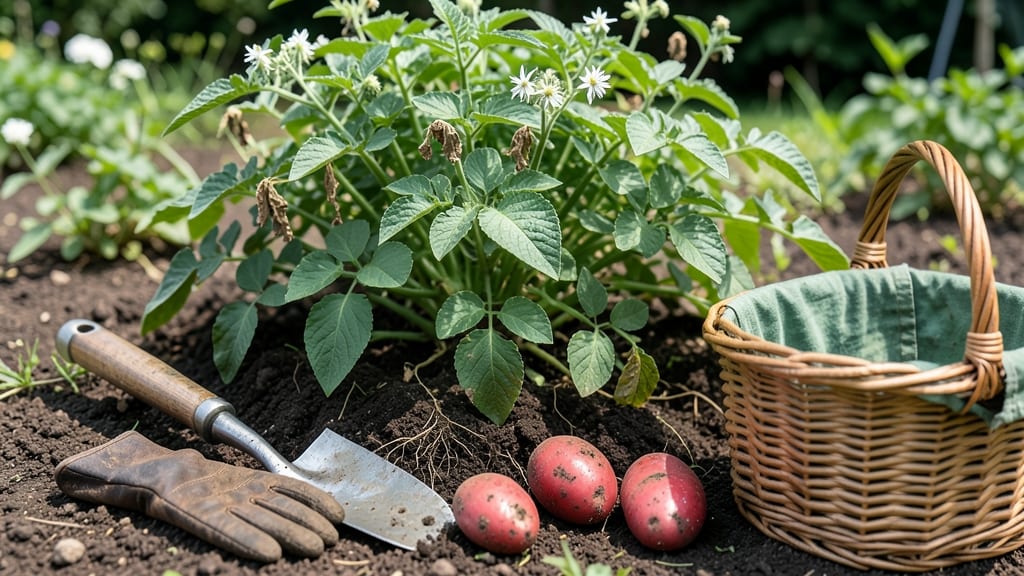
Harvesting red potatoes at the right time means the difference between tender, flavorful tubers and tough, starchy ones—so timing is everything.
Picture this: you’ve spent weeks nurturing your 🥔 crop, and now the question looms—when exactly should you pull them? Too early, and you’ll end up with small, underdeveloped potatoes. Too late, and they’ll turn woody or even rot in the ground.
Luckily, there are clear signs to watch for, like the skin slip test and yellowing foliage, that tell you when your red potatoes are at their peak. These clues, combined with soil conditions and regional climate, ensure you harvest at the perfect moment.
In this guide, I’ll walk you through the ideal harvest window, how to spot peak flavor, and the common mistakes that can ruin your crop—so you can enjoy homegrown potatoes that taste like summer.

When to harvest red potatoes: the skin slip test & timing guide
Timing your red potato harvest perfectly ensures you get flavorful, tender tubers instead of tough, starchy ones. Most varieties mature between 60-120 days after planting, but the exact moment depends on soil conditions and plant signals.
The skin slip test is your best friend—when the skin peels away easily, it's time to dig! This simple trick saves you from harvesting too early (small, mealy potatoes) or too late (over-mature, shriveled tubers).
Before you grab your fork, check the foliage condition. Healthy red potato plants will show yellowing leaves and gradual dieback about 2-3 weeks before harvest. This signals the plant is redirecting energy to the tubers.
Pair this with the skin test, and you’ve got a foolproof system. Ideal soil temps between 55-65°F also speed up maturity—cooler soils slow growth, while hotter ones can stress the plants.
To perform the skin slip test, dig up a small sample tuber and gently squeeze it. If the skin peels away from the flesh like a glove, your potatoes are ready. This happens because the tuber’s moisture content shifts as it matures.
If the skin stays firmly attached, wait another week. Pro tip: Test a few tubers from different parts of the plant—maturity can vary slightly by location.
Regional climate plays a huge role in harvest timing. In cooler zones (USDA 3-5), aim for late July to early August when soil warms up. Gardeners in warmer zones (USDA 7-10) may harvest as early as June or as late as September, depending on variety.
If you’re in doubt, check your seed packet for days to maturity—this gives you a baseline to adjust based on local weather.
Avoid harvesting in wet soil or during rain, as this can damage tubers and invite disease. Wait for a dry, sunny day to dig, and use a garden fork to loosen soil gently.
Shake off excess dirt and let the potatoes cure in the sun for 2-3 hours before storing. This toughens the skin, preventing bruising. Never wash freshly harvested potatoes—moisture speeds up spoilage.
Over-mature potatoes develop thin, papery skin and a woody texture. They’re still edible but lose their creamy, buttery quality. To prevent this, mark your planting date and set reminders for the 90-120 day window.
If your plants bolt (send up flowers) early, harvest immediately—this signals the plant is rushing to produce seed, not tubers. Early blooming often means smaller yields but faster maturity.
For new gardeners, I recommend harvesting a test batch at 80 days and another at 100 days. This helps you learn your local growing conditions. Keep notes on soil type, rainfall, and temperature—these factors shift yearly.
For example, sandy soil drains faster and may require more frequent watering, speeding up maturity, while clay soil can delay harvest by keeping tubers damp longer.
Once you’ve mastered the skin slip test and foliage signals, you’ll never guess again. The key is patience and observation. Over time, you’ll recognize subtle cues like leaf curl or stem yellowing that hint at impending harvest.
Store your freshly dug potatoes in a cool, dark place (50-60°F) with good airflow to keep them fresh for months.
🌱
3 Clear signs your red potatoes are at peak flavor (not too early, not too late)
Harvesting red potatoes at the right moment transforms them from bland to bursting with flavor. Many gardeners rely on the skin slip test, but three other telltale signs reveal when your spuds are truly ready.
These indicators ensure you don't dig too early—risking small, starchy potatoes—or too late, when they become tough and shriveled.
First, pay attention to the foliage above ground. Unlike green potatoes that stay vibrant, red potatoes signal maturity when their leaves begin turning yellow and crispy. This natural die-back means the plant is redirecting energy to the tubers below, maximizing their sweetness and texture.
Don’t wait until the leaves are completely dead—act when they’re 70-80% yellowed.
Leaves turn 70-80% yellow and crispy—ideal harvest window opens.
Tubers reach 2-3 inches in diameter—perfect for buttery texture.
Dig one tuber—if skin peels easily and flesh is firm but not hard, it’s prime.
The second clue lies beneath the soil: tuber size and firmness. When your red potatoes reach 2-3 inches in diameter, they’re typically at their peak flavor and texture. To check without digging up the entire patch, gently squeeze the soil near the plant’s base.
If you feel resistant tubers just below the surface, they’re ready. Smaller potatoes (under 1 inch) often taste bland, while oversized ones can become mealy.
Finally, the flavor test is the ultimate judge. Dig up one tuber and peel a small section—if the skin slips off easily and the flesh is firm but not hard, you’ve hit the sweet spot.
Overripe potatoes develop a woody texture and lose their signature buttery taste. Pro tip: Harvest a few tubers early to test flavor, then adjust your timing for the rest of the patch.
Timing matters even more in hot climates. If your red potatoes mature quickly (as early as 60 days), watch for these signs closely. In cooler regions, they may take up to 120 days, so combine the foliage, size, and flavor checks to avoid missing the window.
Once you master these three signs, you’ll consistently harvest potatoes that are sweet, tender, and packed with flavor.
Remember, red potatoes stored in a cool, dark place (like a root cellar) can last for months, but the best ones are the ones you eat fresh from the garden.
The moment they’re at peak flavor is the moment you’ll want to dig them up and enjoy the fruits of your labor.